Westminster Abbey’s Roman sarcophagus may reveal the identity of a Saxon Abbot


A Roman limestone coffin discovered beneath Westminster Abbey has helped archaeologists identify the likely occupant of a burial dating back more than 1,000 years. New research suggests the man may have been Aelfwig, an abbot of the monastery who died around 1020, although his identity cannot be confirmed conclusively. The sarcophagus was first discovered in 1820, but its significance became clearer in 1869, when workmen uncovered it during building work near the Abbey’s former sacristy courtyard. Its Latin inscription named Valerius Amandinus, a wealthy resident of Roman London who lived between AD 300 and 400, commemorated by his two sons.
However, the large Latin cross carved into the coffin’s lid belonged to a much later period, probably the tenth or eleventh century. The contrast suggested that the Roman sarcophagus had been reused centuries after its original burial.
The mystery remained unresolved until 2016, when conservators lifted the lid and discovered an almost complete human skeleton. Professor Warwick Rodwell, the Abbey’s consultant archaeologist, has now examined the evidence in research published in the Journal of the British Archaeological Association.
Human bone specialist James Young Langthorne estimated that the man was between 35 and 49 years old and stood approximately 5ft 9in tall. Radiocarbon dating by the Scottish Universities Environmental Research Centre placed his death between AD 987 and 1052, supporting the theory that the coffin had been reused during the late Saxon period.
These dates narrowed the possible identities to two former abbots: Aelfwig, who led the monastery from 993 until around 1020, and his successor, Wulnoth, who died in 1049. Rodwell considers Aelfwig the more likely candidate because he was already a monk at Westminster before becoming abbot. However, the available evidence cannot establish which man was buried there.
The burial itself suggests someone of considerable standing. Researchers found traces of lime marking the position of a wooden coffin that had once held the body inside the stone sarcophagus. Reusing such an elaborate Roman monument may have been a deliberate way to honour a prominent Christian leader.
The coffin’s original journey to Westminster remains unknown. Archaeologists believe it may have come from an early Christian burial elsewhere, potentially associated with a Roman villa and cemetery yet to be discovered near the Abbey.
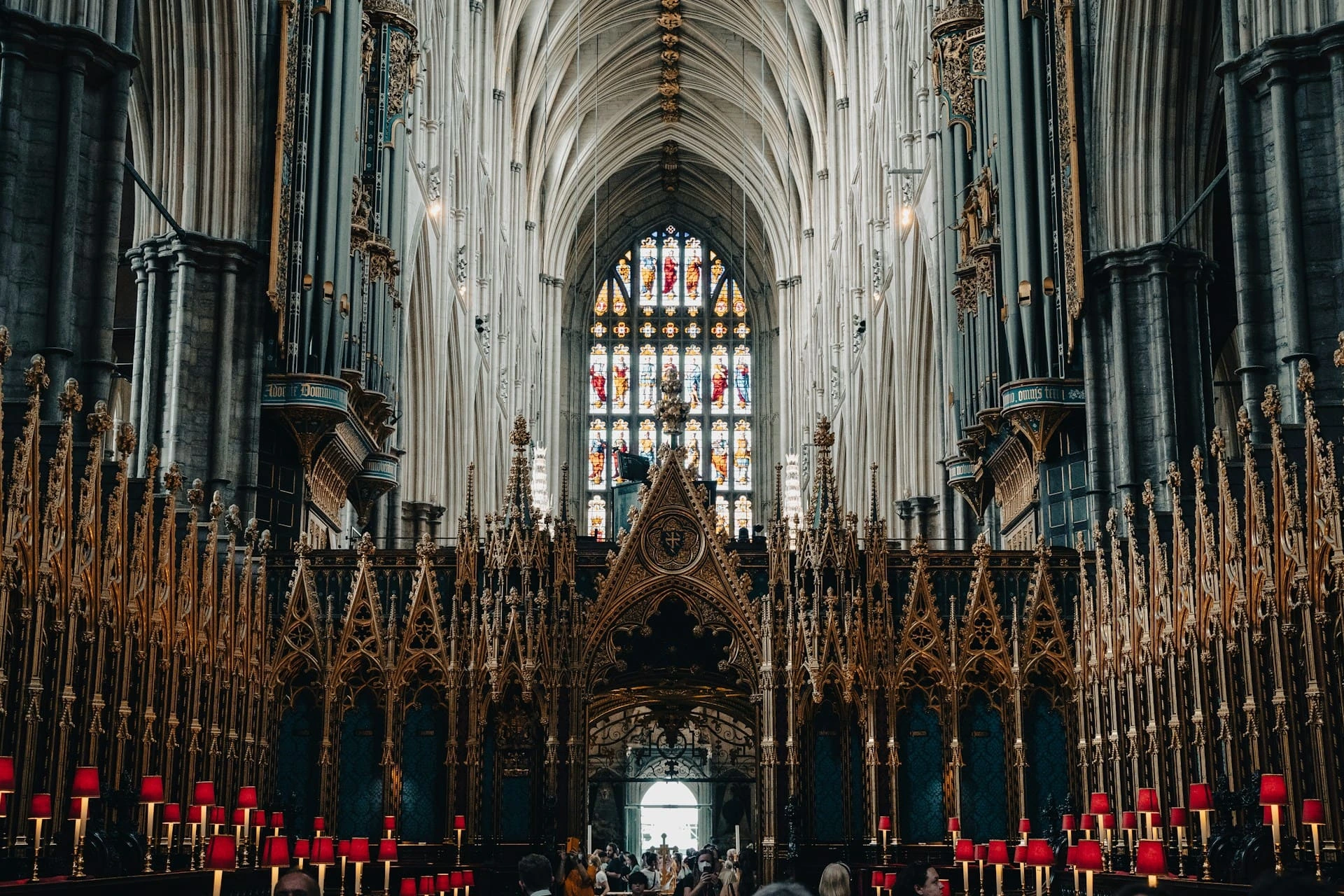
Now displayed in Westminster Abbey’s Queen’s Diamond Jubilee Galleries, the sarcophagus brings together evidence from two very different periods of London’s history. More than a millennium after the second burial, its occupant may finally have a name.
For more London arts and culture, visit EyeOnLondon at eye-on-london.com
Follow us on:



Subscribe to our YouTube channel for the latest videos and updates!

We value your thoughts! Share your feedback and help us make EyeOnLondon even better!