Scientists find Scottish island wrens evolving into giant birds on remote islands

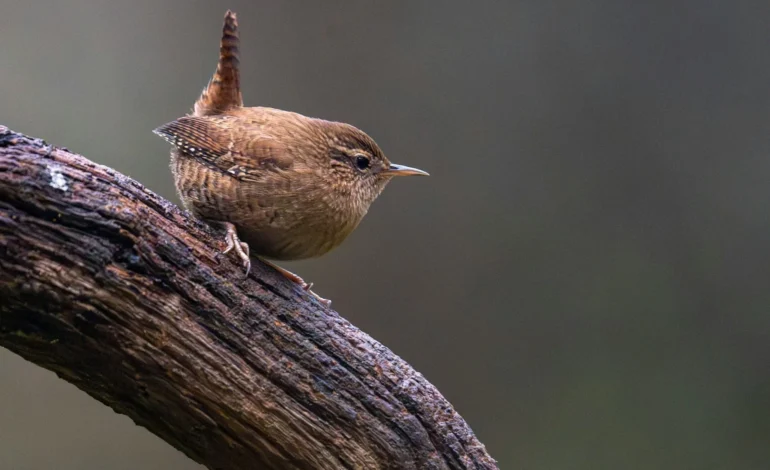
Tiny wrens living on some of Scotland’s most remote islands are evolving into dramatically larger birds, giving scientists a rare chance to study how isolation can drive evolutionary change. New research led by the University of Birmingham examined wren populations across Shetland, Fair Isle, the Outer Hebrides and St Kilda, finding that each group has developed along its own distinct genetic path despite living in broadly similar island environments.
The most striking changes were found in St Kilda and Shetland.
That broader question of how isolated populations diverge over time connects with wider research into how modern humans evolved from two ancestral populations. The findings also feed into wider public conversations about biodiversity and conservation, including recent news about wildlife being featured on future banknotes.
While wrens on mainland Britain typically weigh between seven and ten grams, birds recorded on St Kilda weighed between 13 and 16 grams. Researchers say the largest are more than twice the size of the smallest mainland wrens, placing them among the strongest known examples of island gigantism in birds worldwide.
Island gigantism describes the process where animals isolated on islands evolve larger body sizes over time, a phenomenon also seen in species such as giant Galápagos tortoises.
Researchers compared body measurements, bird song recordings and whole genome sequences to understand how the Scottish island birds had diverged from their mainland relatives.
Dr Michał Jezierski, lead author of the study, said all four island populations were genetically distinct from mainland wrens, with birds from Shetland and St Kilda showing the clearest differences in appearance and song. Their genetic distinctiveness suggests they are likely moving towards becoming separate species, he added.
The findings also revealed that although wrens on Shetland and St Kilda look physically similar, the genetic changes behind their larger size appear to have developed independently. This offers a clear example of parallel evolution, where similar environmental pressures produce similar outcomes through different genetic pathways.
That broader question of how isolated populations diverge over time connects with wider research into how species separate and adapt, including recent work examining how modern humans evolved from two ancestral populations. The study also found that wrens from Fair Isle and the Outer Hebrides remain more genetically similar to mainland populations, showing that island evolution can vary significantly even between neighbouring environments.
Co-author Will Smith of the University of Nottingham said the findings suggest islands with similar environments can produce similar evolutionary outcomes through different genetic routes.
Scientists have long studied island ecosystems because their isolation can accelerate unusual adaptations. The Scottish wrens now provide researchers with an unusually detailed natural case study for understanding how biodiversity develops, adding to growing interest in how wildlife adaptation continues to shape public understanding of conservation and biodiversity.
What happens on remote islands often reveals how life adapts under pressure. Follow EyeOnLondon for more science stories shaping how we understand the natural world.
Follow us on:



Subscribe to our YouTube channel for the latest videos and updates!

We value your thoughts! Share your feedback and help us make EyeOnLondon even better!