Recovery strategy for red squirrels in England revealed

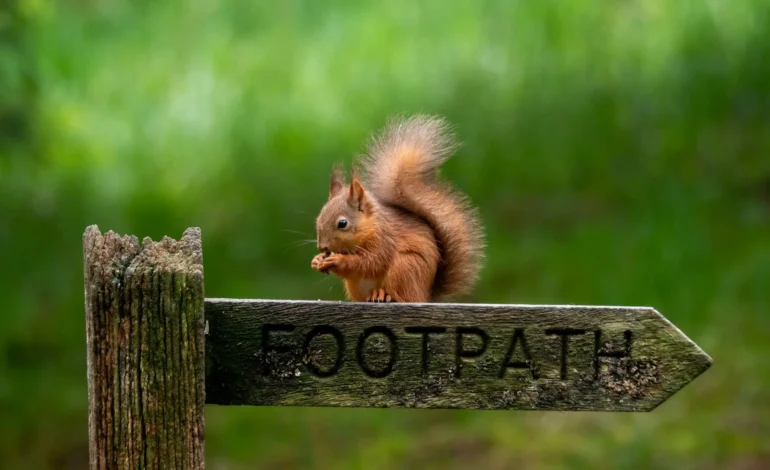
The Zoological Society of London (ZSL) has developed and evaluated 18 recovery strategies for the red squirrel. These combine different approaches to grey squirrel management, red squirrel translocations, and emerging tools including fertility control and a potential vaccine for squirrelpox.
These strategies have been assessed at regional as well as national scales in a bid to understand how different levels of ambition and coordination may shape future outcomes for the species.
A number of factors are cited as reason for the red squirrel decline, including the introduction of the grey squirrel from North America beginning in 1876 as well as habitat loss and fragmentation.
The analysis has revealed that “large-scale, coordinated suppression” of grey squirrels across England could offer “the greatest potential for widespread red squirrel recovery,” while also cutting down on the “substantial ecological and economic damage caused by the grey squirrel,” according to a press release from the government. It adds that this damage is estimated at being around £37 million in England and Wales annually. However, this approach, while likely to be the most effective, is expected to also be the most expensive.
Encouraging more targeted regional strategies, especially those that combine management of the localised grey squirrel population with red squirrel translocations, can achieve comparable outcomes but at a lower cost. These could offer a more feasible pathway over the short term, especially where resources or support from the public is limited.
The report on red squirrel recovery is available to view on the Nature England Access to Evidence website.
Stay tuned to EyeOnLondon for the latest news and expert opinions.
Follow us on:



Subscribe to our YouTube channel for the latest videos and updates!

We value your thoughts! Share your feedback and help us make EyeOnLondon even better!