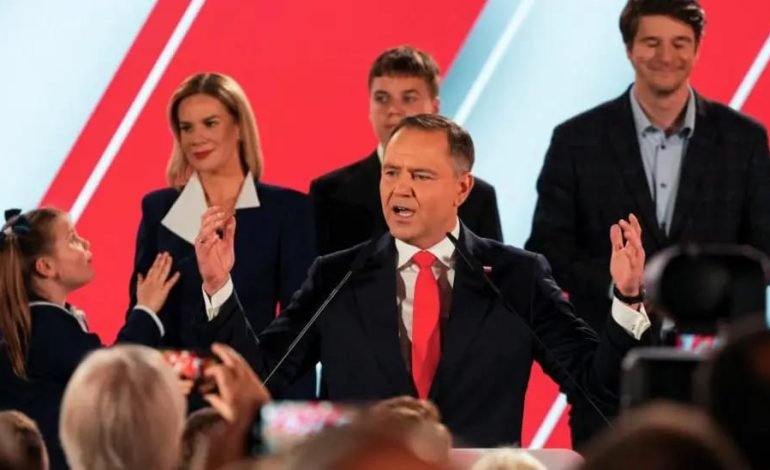
Poland has a new president. Karol Nawrocki, a conservative historian with close ties to the opposition Law and Justice party, has edged a narrow victory over Warsaw’s liberal mayor Rafał Trzaskowski. With just under 51% of the vote, the result has stirred up political tension across the country – and raised eyebrows abroad.
Here in the UK, the news that Karol Nawrocki has been elected Poland president is more than a footnote in European politics. Poland is one of Britain’s key partners in Eastern Europe, and changes at the top often reflect wider shifts in direction. While the presidency itself doesn’t come with sweeping powers, Nawrocki’s ability to veto legislation could be enough to frustrate Prime Minister Donald Tusk’s pro-EU reforms for the remainder of this term.
This result, delivered on a knife-edge, tells us something about where Poland sits right now. Deeply divided, politically stretched, and not entirely sure which path to take. On one side, a coalition government trying to restore relations with Brussels. On the other, a growing movement calling for greater national sovereignty, wary of further EU oversight. Nawrocki fits neatly into the latter and his win could stall momentum on issues like judicial reform, abortion law, and climate regulation.
He’s relatively new on the national stage. Before this campaign, Nawrocki was better known for his work in public history and for his social media presence, gym selfies, football gear, and a well-publicised handshake with Donald Trump. It all contributed to an image PiS supporters embraced: someone who looks and sounds like the people he’s asking to vote for him. That approach clearly worked. Despite trailing in the exit polls, he gained ground through the night and came out on top by the narrowest of margins.
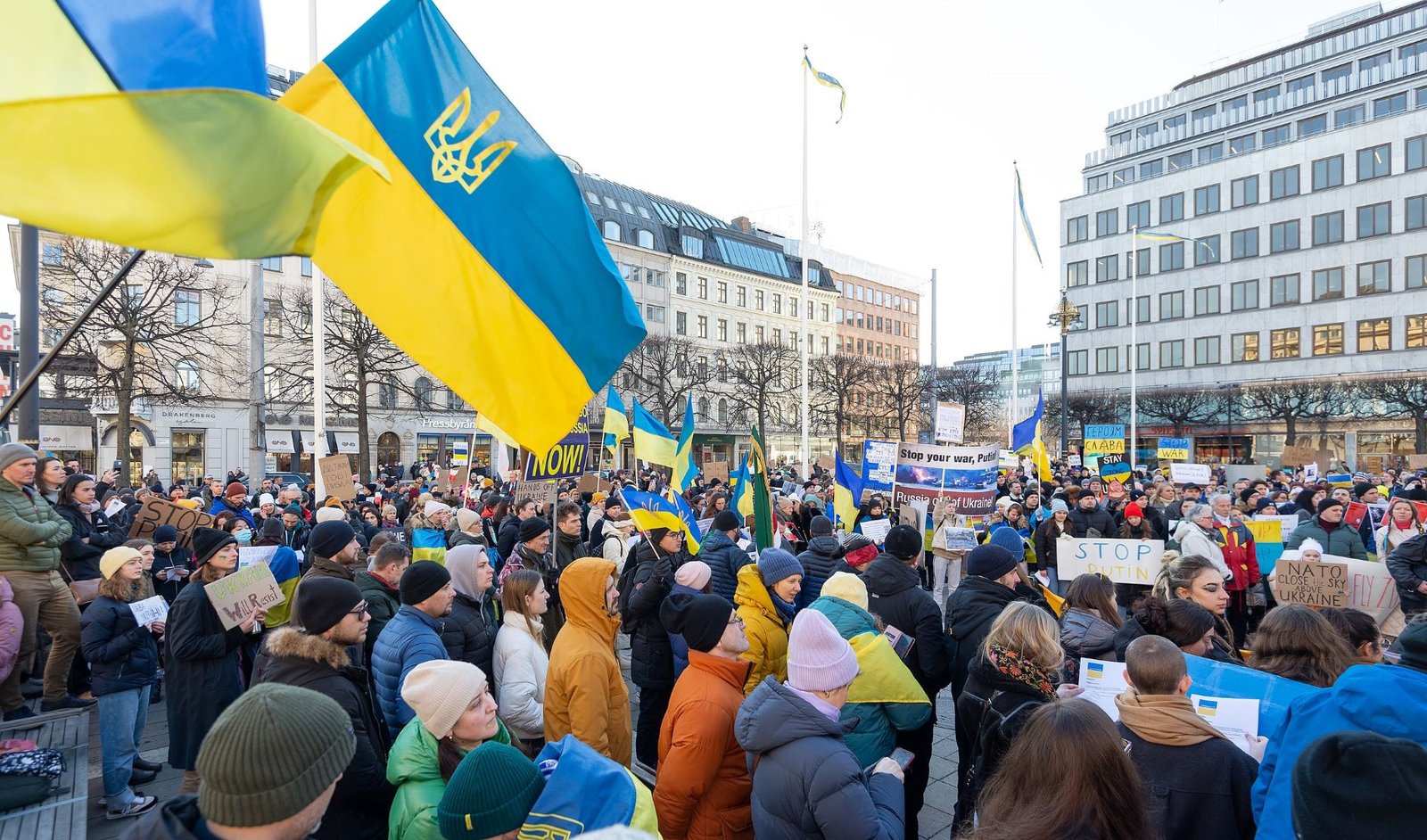
In terms of foreign policy, don’t expect sweeping change – at least not right away. Both presidential candidates expressed support for Ukraine, but Nawrocki has already said he’s not in favour of rushing Kyiv into NATO or the EU while war with Russia continues. His preference is for stability at Poland’s borders, rather than high-risk expansion.
From the UK’s point of view, this could complicate wider EU strategies on defence and enlargement. And while it’s too soon to say what this means for British-Polish relations, there’s clearly a tension between Warsaw’s desire to assert independence within the bloc and the EU’s push for unity on issues like migration and law.
Still, the job Nawrocki takes on is largely about presence and principle – not policy. He won’t be shaping budgets or running ministries, but his signature (or refusal to give it) will shape what Poland’s parliament can actually get done. In that sense, his election matters. Not because of a new vision, but because of what it might block.
Karol Nawrocki is expected to take office later this summer, stepping into a role that, while largely ceremonial, holds the power to veto legislation and influence national tone. His priorities and public statements will be closely watched, particularly by those assessing Poland’s future direction within Europe. More information about the presidency and its constitutional functions can be found on the official website of the President of Poland.
For more updates on European elections and further insights, visit EyeOnLondon. We’d love to hear your views in the comments below.
[Image Credit: BBC News]
Follow us on:



Subscribe to our YouTube channel for the latest videos and updates!

We value your thoughts! Share your feedback and help us make EyeOnLondon even better!