

The critically endangered wolf spider has been rediscovered on the Isle of Wight for the first time in forty years, “marking a major conservation success,” according to the National Trust. The “tiny, orange-legged” arachnid, known to science as Aulonia albimana, was last recorded in the UK in 1985, before being seen again this autumn at the Trust’s Newtown National Nature Reserve.
“Its rediscovery is a victory for the charity’s conservation project at Newtown, which forms part of Natural England’s Species Recovery Programme, a scheme that provides targeted action for some of England’s most endangered flora and fauna,” the trust says.
The team who made the discovery informally dubbed the species, the White-knuckled Wolf Spider, inspired by the animal’s distinctive pale ‘knuckles on its palps, the small leg-like appendages on either side of its mouth, as well as the “last minute drama involved in finding it.”
The rediscovery was made 2km from its former colony by entomologists Mark Telfer and Graeme Lyons. It is also the first time the species has been digitally photographed in the UK.
The wolf spider takes its name from its agile hunting skills, being able to chase prey along the ground before pouncing like a wolf. There are 38 species in the UK and the hunting style of Aulonia albimana “remains something of a mystery,” according to the Trust, “as the species is also known to spin a flimsy web.”
The discovery was made in a remote area of the reserve accessible only by boat. Once overgrown, the site has been restored by the National Trust with the help of a flock of Hebridean sheep, chewing through vegetation to maintain short and open turf, helping to create “exactly the patchy, sunlit ground the White-knuckled Wolf Spider favours.
Stay tuned to EyeOnLondon for the latest news and expert opinions.
Follow us on:



Subscribe to our YouTube channel for the latest videos and updates!

We value your thoughts! Share your feedback and help us make EyeOnLondon even better!


Popular Posts
Wildlife Photographer of the Year 2027 Competition
The Natural History Museum has opened entries for the 63rd Wildlife Photographer of the Year

Royal Automobile Club names finalists for 2026
The Royal Automobile Club has announced the finalists for its 2026 Historic Awards, recognising achievements

YouTube & Netflix could face TV Licence
The government is considering extending the TV licence fee to streaming platforms such as Netflix,
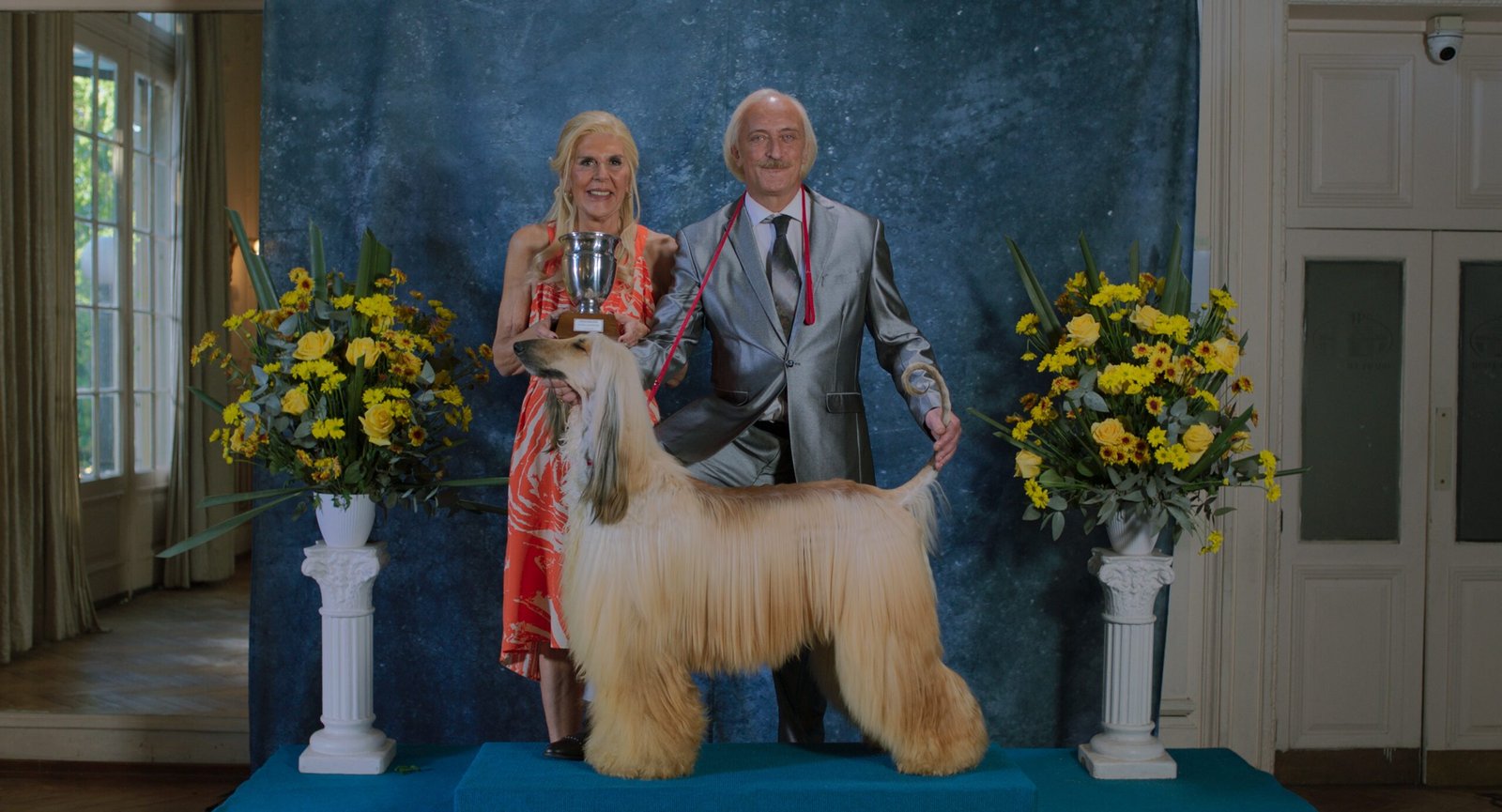
Prince Turns a Prize Afghan Hound Into
Prince | In UK Cinemas TBC, Screened at BFI London Film Festival 2026 Prince is
Related Posts


Putin’s war with Ukraine
On the 24th of February, Russia began an invasion of Ukraine. This has resulted in

The Death of British Conservation Areas & Twentieth Century Fox House, Soho
The future for a historic Art Deco Building at 31-32 Soho Square currently hangs in

Enquirer holds Jubilee street party
On Saturday the 4th of June, to celebrate the Queen’s Jubilee, people were treated to