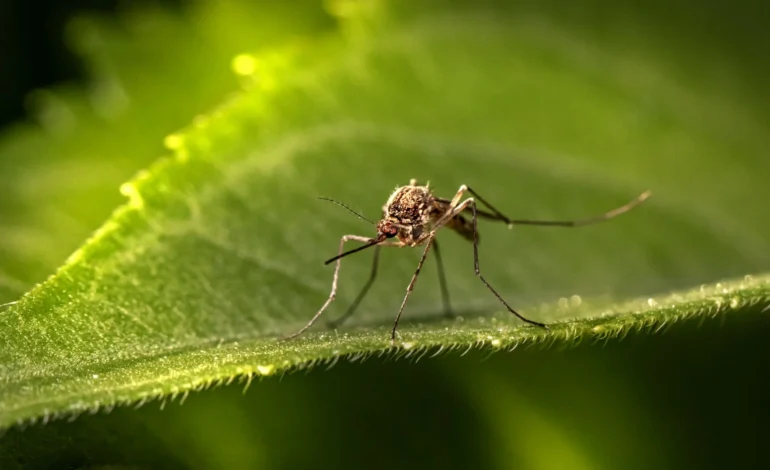
A yet-to-be peer-reviewed study has found that some species of mosquito show a preference for men, with others aiming for specific scents found in people’s skin. Experts in the field however dispute the significance of the results. The study was published in BioRxiv.
No animal is responsible for more human deaths than the mosquito. The insect has been biting humans for over a million years, spreading diseases including malaria, dengue, and yellow fever. It has long been known that they rely on a number of cues including odour and heat to find targets to bite. But because human scents are so complex, with over 1,000 different organic compounds, it is difficult to know what it is that attracts a mosquito to bite someone.
Past research has found that people vary in how attractive they are to any biting insect. But no study has looked into the difference between mosquito species and different individual humans.
The team compared how different species, Aedes aegypti, Aedes albopictus, and Culex quinquefasciatus, would respond to 119 human participants. The former two are the main spreaders of Zika and chikungunya, while the latter is responsible for spreading West Nile virus. The participants placed an arm into a device known as a Uniport olfactometer to expose the animals to their scent. They found that different species had different preferences, with different compounds attracting different species.
However, others in the field of vector biology were sceptical in their interpretation of the research. They noted that preferences, such as based on sex, among Aedes aegypti were quite small and could be harder to reflect in real-world settings. Others said that preferences could differ based on geography, lineage, and human genetic background, all of which could affect the outcomes.
Stay tuned to EyeOnLondon for the latest news and expert opinions.
Follow us on:



Subscribe to our YouTube channel for the latest videos and updates!

We value your thoughts! Share your feedback and help us make EyeOnLondon even better!