Auschwitz 80th Anniversary Commemorated Worldwide

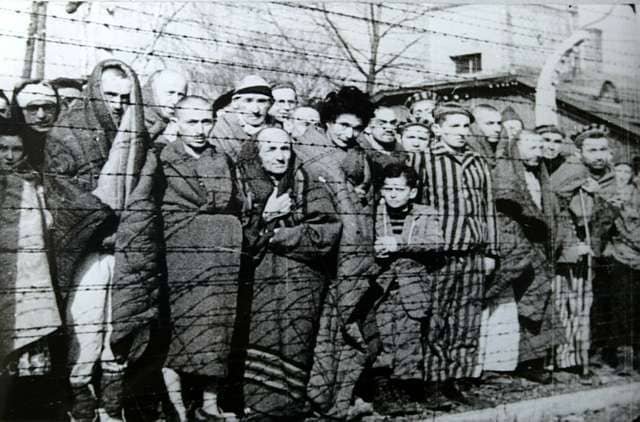
On Monday, the world will pause to honour the 80th anniversary of Auschwitz’s liberation, one of the darkest chapters in human history. Leaders, royalty, and Holocaust survivors will gather at the site in southern Poland to pay tribute to the over one million people murdered at Auschwitz-Birkenau by Nazi Germany. The poignant anniversary comes at a time when the voices of survivors, now in their twilight years, are more important than ever.
The commemorations will take place at the former concentration and death camp in Oświęcim, Poland, a site that witnessed the unimaginable horrors of Adolf Hitler’s racial ideology. The atrocities at Auschwitz claimed the lives of Jews, Poles, Roma and Sinti, Soviet prisoners of war, LGBTQ+ individuals, and others deemed “undesirable.” In total, over six million Jews perished in the Holocaust across Europe, two-thirds of Europe’s Jewish population.
Explore More International News
On this significant day, roughly 50 survivors will be joined by world leaders and dignitaries, including Britain’s King Charles III, French President Emmanuel Macron, Canadian Prime Minister Justin Trudeau, and Germany’s President Frank-Walter Steinmeier. The presence of these global figures highlights the enduring importance of remembering Auschwitz as a stark warning against hatred, racism, and antisemitism. Survivors will share their testimonies, their voices urging the world to learn from history before it is too late.
The Legacy of Auschwitz
Auschwitz-Birkenau stands as the most recognisable symbol of the Holocaust, with its barracks, watchtowers, and infamous “Arbeit Macht Frei” (Work Will Set You Free) gate. Unlike other Nazi death camps where evidence was often destroyed, Auschwitz became a memorial to the atrocities. Over 1.83 million visitors in 2024 came to reflect on its horrors and ensure the lessons of history are not forgotten.
The site also serves as a reminder of the resilience of survivors. When Soviet troops liberated Auschwitz on 27 January 1945, they found approximately 7,000 emaciated prisoners barely clinging to life. The Allied forces’ discoveries across other camps, including Dachau and Bergen-Belsen, unveiled the full scale of Nazi terror. The survivors not only bore witness to these crimes but became educators for future generations, their testimonies shaping the collective memory of the Holocaust.
Commemorations Amid Modern Challenges
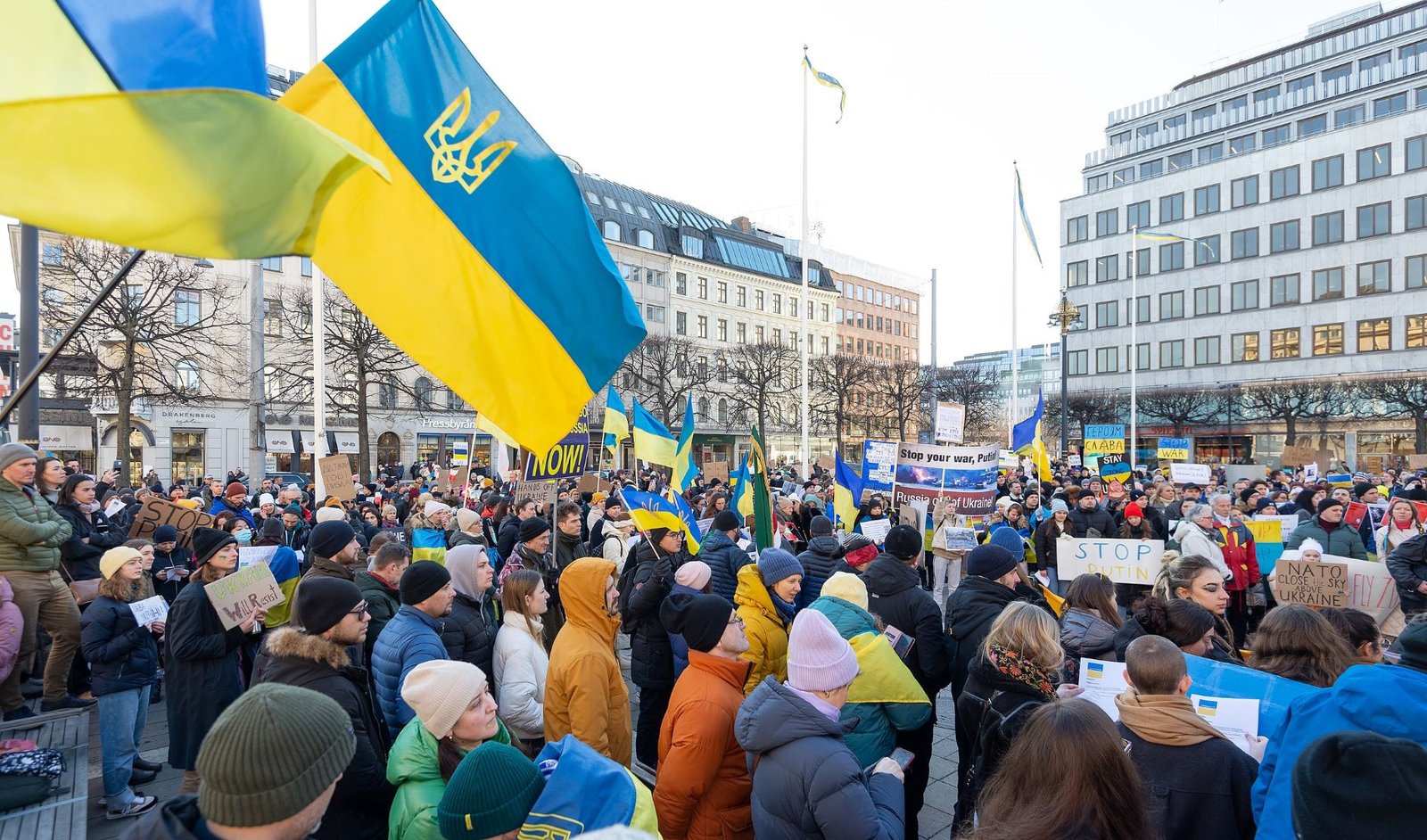
The 80th anniversary arrives at a time of global tension and rising conflict. The absence of Russian President Vladimir Putin, once a prominent guest at Auschwitz events, reflects the international condemnation of Russia’s actions in Ukraine. Museum director Piotr Cywiński underscored this sentiment, stating, “It is hard to imagine the presence of Russia, which clearly does not understand the value of freedom.” Meanwhile, the ongoing war between Israel and Hamas has sparked debates about participation, with Israel sending its education minister instead of Prime Minister Benjamin Netanyahu due to international legal concerns.
For Britain, the role of King Charles III in promoting Holocaust education is significant. His dedication to remembrance initiatives has ensured that the UK continues to play a vital role in preserving the memory of Auschwitz and the Holocaust for future generations.
The Auschwitz-Birkenau Memorial and Museum, which preserves the site and educates visitors about its history, continues to play a vital role in ensuring the memory of the Holocaust is never forgotten.
For more insights on this story and updates on historical events, visit EyeOnLondon.
Follow us on:



Subscribe to our YouTube channel for the latest videos and updates!

We value your thoughts! Share your feedback and help us make EyeOnLondon even better!