Lidl and Iceland ads banned under new UK junk food rules

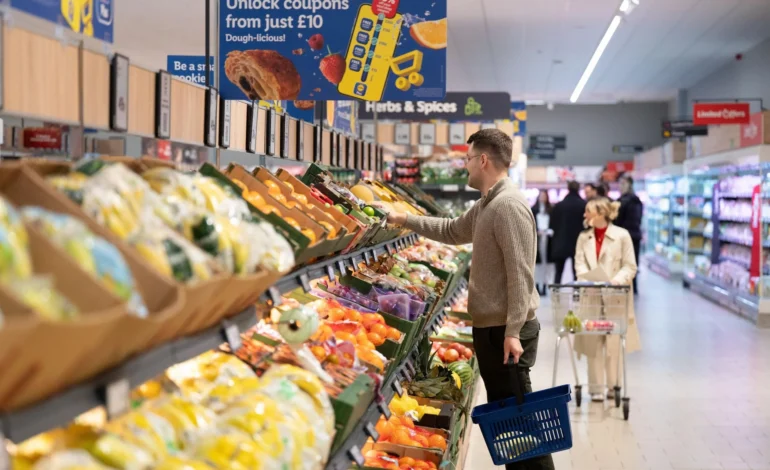
On Wednesday, UK regulators banned adverts from Lidl and Iceland after new restrictions on junk food marketing came into force earlier this year, marking the first enforcement of rules aimed at reducing childhood obesity.
The action follows the introduction of regulations on 5 January that prohibit advertising products high in fat, salt and sugar before 9pm on television and at any time in paid online promotions. The rulings, made by the Advertising Standards Authority, focused on digital adverts seen by UK audiences, including social media and major news websites.
More reporting from EyeOnLondon
Policy, science and global developments shaping London’s wider world.
One case involved Lidl Northern Ireland, which paid an influencer to promote its bakery range on Instagram. The post included a pain suisse pastry, a product classed as “less healthy” under the government’s nutrient profiling system. Lidl said the campaign had been intended to promote the brand rather than a specific product, but accepted that the advert breached the rules.
Iceland, meanwhile, ran display adverts on a national news website featuring confectionery products including sweets and chocolate items. These fall clearly within the high fat, salt and sugar category and are not permitted to be advertised under the new regime. The company said it had been working to improve its nutritional data across products but acknowledged gaps in information at the time the adverts appeared.
The regulator upheld both complaints and ordered that the adverts must not appear again in their current form. It also instructed both retailers to ensure future campaigns comply fully with the restrictions.
The rules are part of a broader government effort to address rising levels of childhood obesity, particularly in urban areas where exposure to advertising and access to fast food are more concentrated. Full guidance on the restrictions and how products are classified is available through the official ASA framework, which outlines how high fat, salt and sugar products are assessed and regulated.
For London readers, the changes are likely to be felt most clearly in the advertising seen on mobile devices, public transport networks and digital platforms used daily across the city. As enforcement tightens, supermarkets and brands will need to rethink how they promote products in a market where visibility has traditionally driven consumer choice.
Follow EyeOnLondon for clear reporting on how national policy changes shape everyday life in London.
[Image Credit | Lidl]
Follow us on:



Subscribe to our YouTube channel for the latest videos and updates!

We value your thoughts! Share your feedback and help us make EyeOnLondon even better!