National Trust says warmer winters are bringing earlier rose blooms to southern England gardens

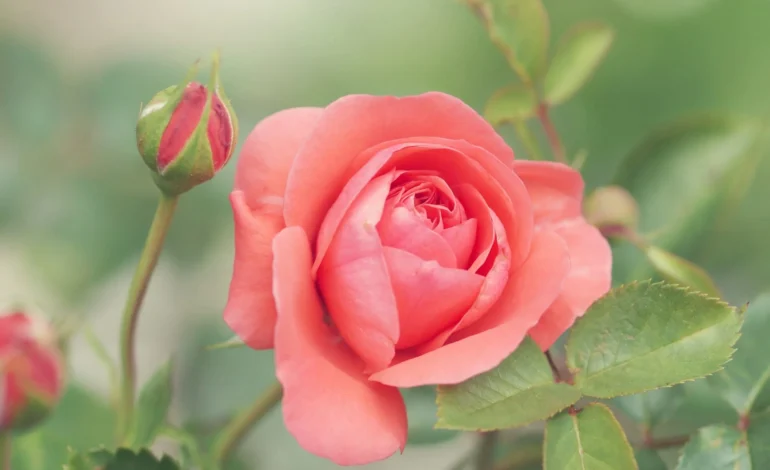
Roses are flowering earlier than usual at several National Trust gardens in southern England after a mild, wet winter and unusually warm spring conditions pushed growth forward. The conservation charity says gardens including Chartwell House in Westerham, Kent, have seen roses bloom weeks ahead of their traditional June peak, with this year’s first rose appearing as early as March.
Rebecca Bevan, the National Trust’s horticultural specialist, said the earlier flowering itself is not necessarily damaging, but warned that water shortages pose a greater long-term challenge for historic rose collections. She said research shows drought presents the biggest threat, with garden teams now focusing on healthier soils, hardier rose varieties and better water capture and storage.
The changing conditions are also feeding into wider conversations about climate resilience that have featured prominently in discussions around the Chelsea Flower Show. The shift reflects broader environmental pressures already being examined through national conservation work focused on protecting Britain’s changing ecosystems.
At Chartwell, gardens and outdoor manager Christopher Lane said the lack of cold snaps this spring had accelerated growth across the estate. He said the gardens saw their first rose in flower in March, far earlier than would normally be expected.
A similar pattern has been recorded at Mottisfont in Hampshire, where official records dating back to the garden’s donation to the National Trust in June 1972 show peak blooming periods moving earlier by the equivalent of one day every two-and-a-half years. Head gardener Rob Ballard said the roses got off to an early start after a very wet, warm winter that included 42 consecutive days of rain at the start of the year, before warmer spells in April accelerated growth further.
The changing conditions are forcing adjustments in how rose gardens are managed, from pruning schedules to soil care, while milder winters are also allowing more pests to survive. The National Trust said more northerly properties are still seeing more typical flowering patterns.
Have you noticed seasonal changes in London or the South East’s parks and gardens? Share what you are seeing as climate patterns continue to shift. Read more environmental reporting at EyeOnLondon.
Follow us on:



Subscribe to our YouTube channel for the latest videos and updates!

We value your thoughts! Share your feedback and help us make EyeOnLondon even better!