Cape leopards identified as genetically distinct in whole-genome study of South African population

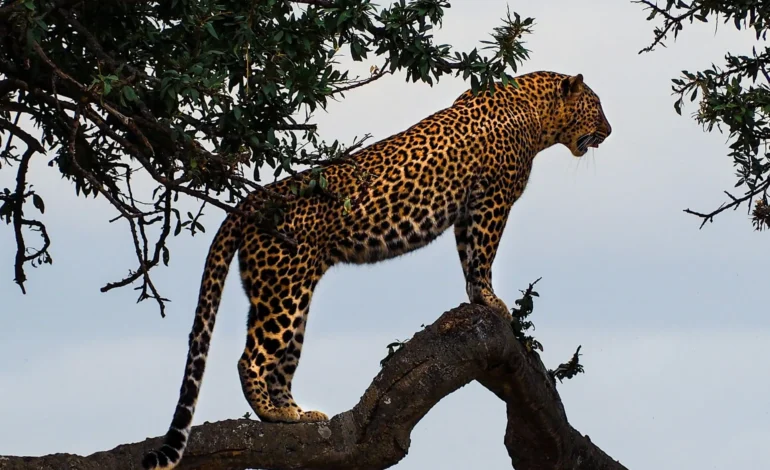
A population of leopards in South Africa’s Cape Floristic Region has been identified as genetically distinct from other African leopards in a new whole-genome study examining how isolation and environment have shaped the evolution of the big cats.
The research focused on fewer than 1,000 leopards living across the Western Cape and parts of the Eastern and Northern Cape. Scientists compared full genome sequences from these animals with leopards from other regions across Africa.
The results show that Cape leopards form a genetically distinct group that diverged from other populations around 20,000 to 24,000 years ago, during the Last Glacial Maximum. At that time, colder and drier conditions restricted movement and reduced connectivity between populations.
Researchers say natural geography, including the Cape Fold Belt mountain chain, alongside more recent human pressures, has limited gene flow between populations. The study found little evidence of recent genetic mixing with neighbouring leopard groups.
Unlike earlier research based on smaller genetic datasets, this study used whole-genome sequencing to analyse the full genetic code of the species. This allowed researchers to examine long-term divergence and traits linked to body structure.
The analysis also found that Cape leopards are smaller than other African leopards. Around 90 genes associated with body size, skeletal structure and energy use were identified as more common in this population. Researchers link this to local ecological conditions where prey species are smaller and more sparsely distributed.
The study indicates that despite long-term isolation, Cape leopards retain relatively strong genetic diversity compared with expectations for small populations.
Researchers also note ongoing pressures including habitat fragmentation, human-wildlife conflict and road mortality risks, which continue to affect the population. The findings highlight the importance of maintaining connected habitats across the Cape region to support long-term population stability and movement.
The research provides evidence of a locally adapted leopard population shaped by long-term environmental and geographic separation in southern Africa.
Leopard populations like those in South Africa’s Cape region are shaped by long-term isolation and fragile habitat pressures. Share your thoughts on how cities and conservation areas can better protect genetically distinct wildlife populations as environments continue to change. Explore more science and environment coverage at EyeOnLondon.
Follow us on:



Subscribe to our YouTube channel for the latest videos and updates!

We value your thoughts! Share your feedback and help us make EyeOnLondon even better!