London could lose about 100,000 parking spaces by 2040 as car sizes continue to grow

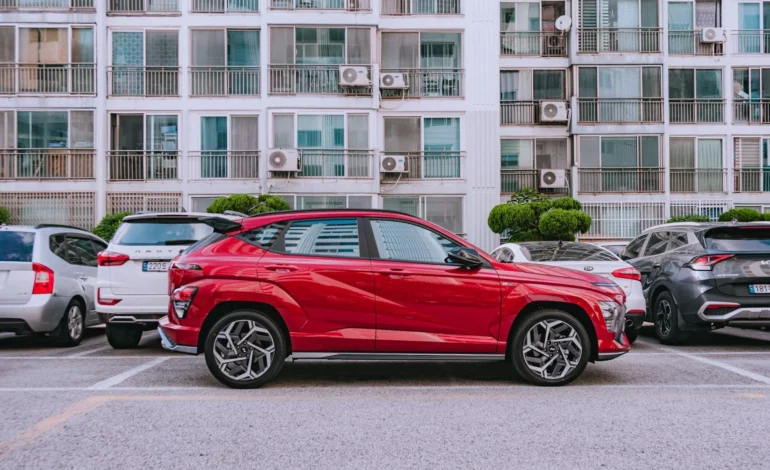
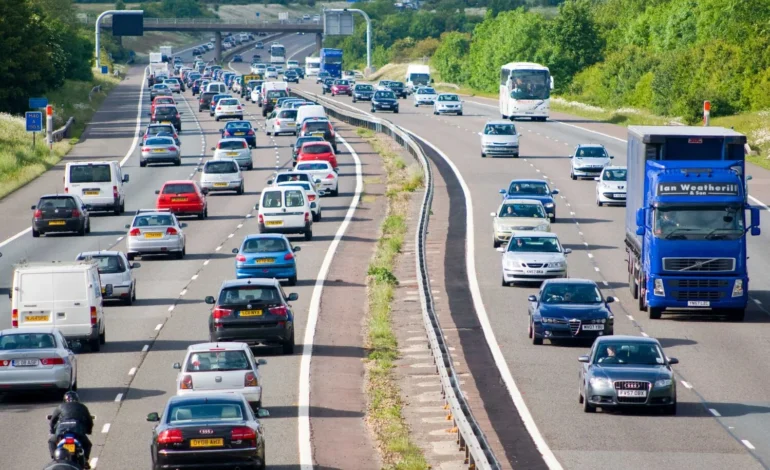
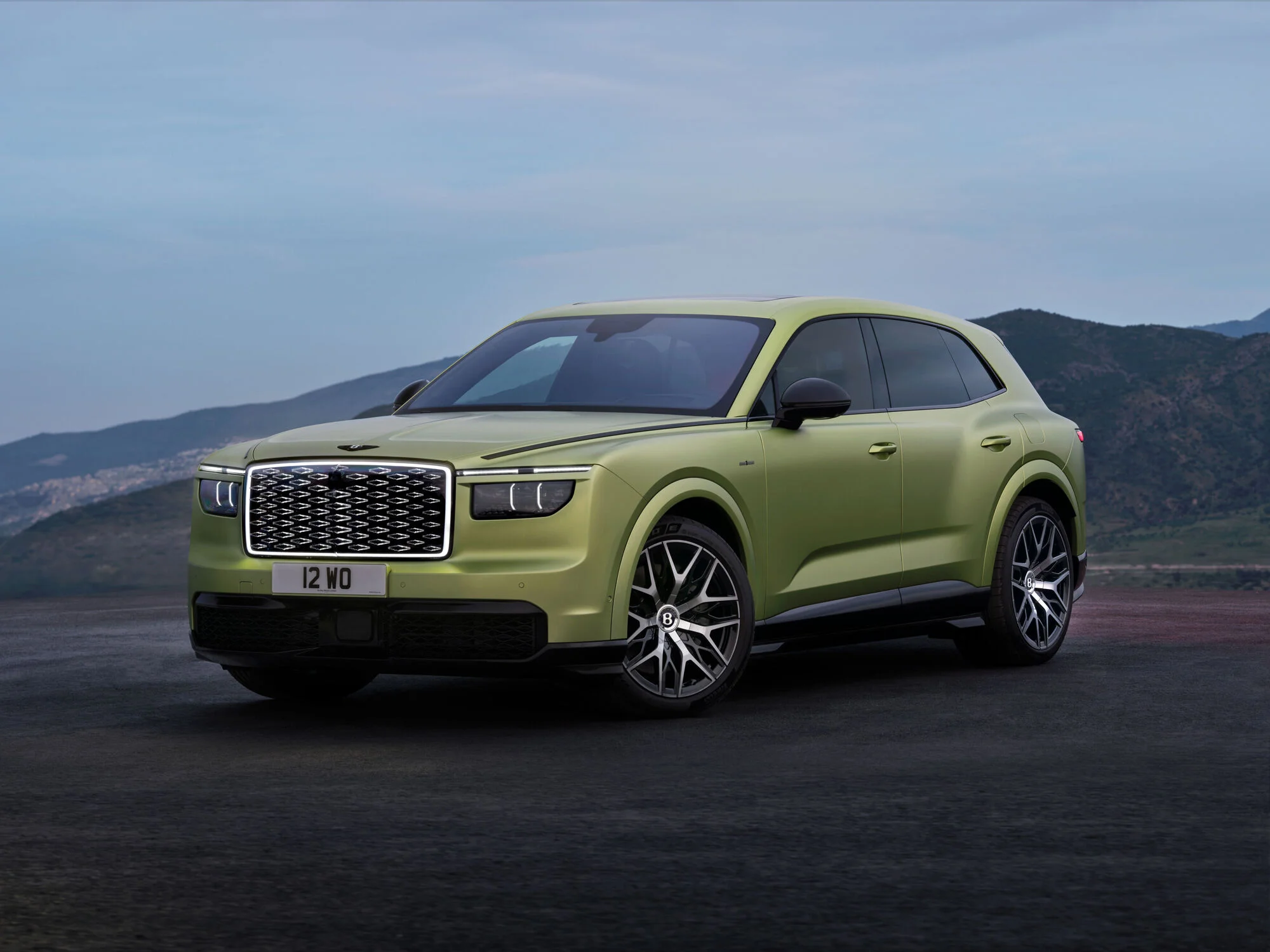
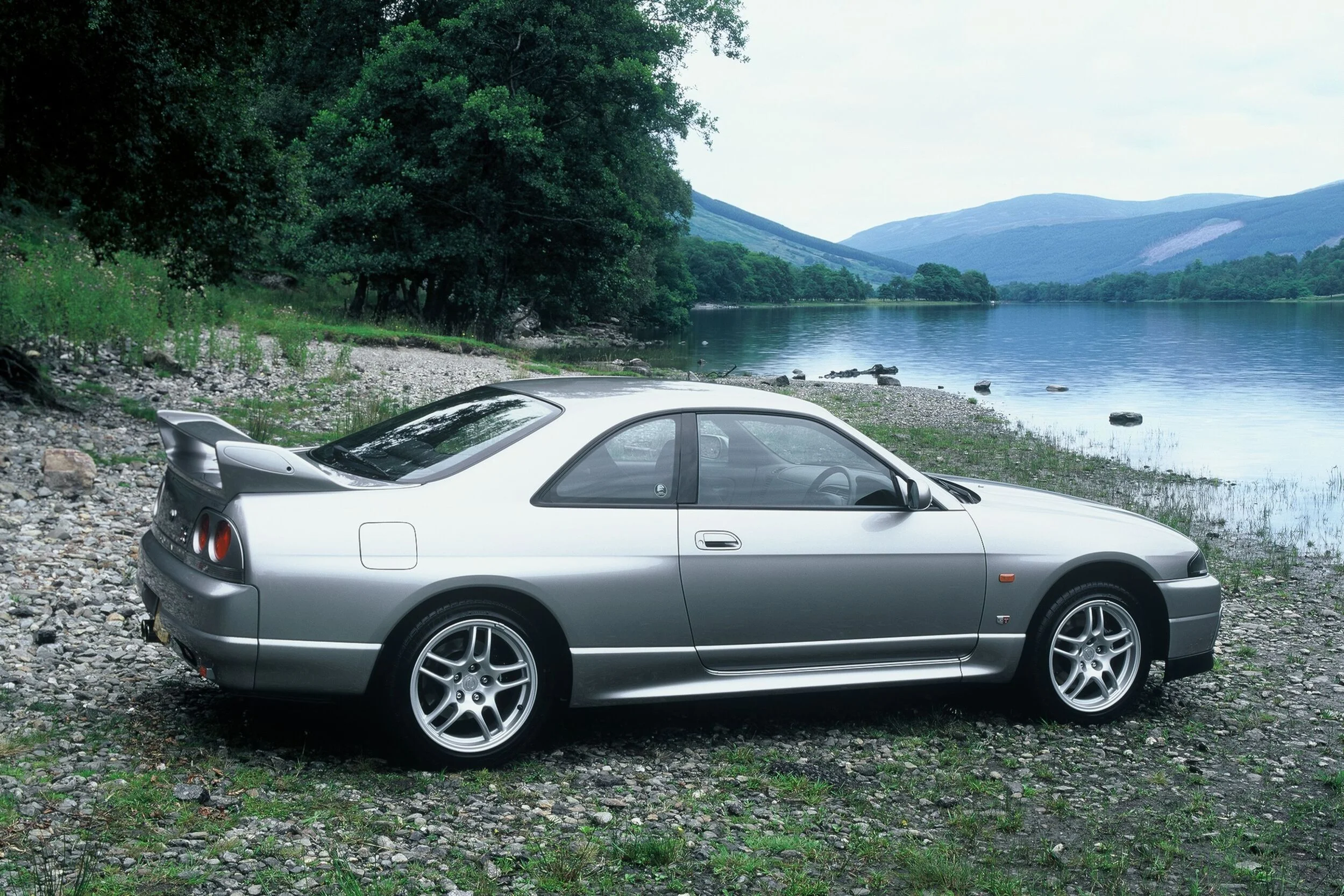
Cars sold in Europe have been getting larger for more than two decades, and new analysis suggests the trend could have a noticeable impact on London streets. Researchers estimate the capital could lose about 100,000 on-street parking spaces by 2040 if vehicle continue growing at their current rate.
This comes as London continues to debate how limited street space should be used, including Oxford Street pedestrianisation plans and concerns about high air pollution in the capital.
The findings come from campaign group Transport & Environment (T&E), which analysed new vehicles sold in Europe since 2000. According to the analysis, cars have grown on average by 1.2 centimetres in length, 0.5 centimetres in height and 0.5 centimetres in width each year. The continued growth of vehicle size, it said, is creating pressures that extend beyond parking. Larger vehicles require more energy to move and are associated with increased risks for vulnerable road users in collisions.
The organisation modelled two scenarios for 2040. One assumed cars continue growing at their historic rate. The second assumed average vehicle sizes return to 2015 levels.
Compared with the latter scenario, the continued growth model projected an additional 2,600 road-user deaths each year by 2040, including 79 children. Researchers also estimated that moving larger vehicles would require resources equivalent to an extra 100 million barrels of oil imports and 22.5 terawatt hours of electricity.
The study found cities could lose between 8.5% and 14% of on-street parking capacity if current trends continue. London and Berlin were each identified as potentially losing around 100,000 parking spaces.
Brian Caulfield, a transport researcher at Trinity College Dublin who was not involved in the report, said the findings raised significant concerns about future energy demand. Larger vehicles, he said, require more energy regardless of whether they are powered by fossil fuels or electricity, adding that the projected increase in demand would place further pressure on energy systems already adapting to transport and heating electrification.
T&E said policymakers should consider measures including limits on bonnet heights and vehicle widths, tax systems that discourage larger vehicle purchases and vehicle standards that take driver visibility of young children into account.
Have you noticed parking spaces becoming harder to use as vehicles get larger? Share your experience of parking and travelling around London. Explore more London transport and urban planning coverage at EyeOnLondon.
Follow us on:



Subscribe to our YouTube channel for the latest videos and updates!

We value your thoughts! Share your feedback and help us make EyeOnLondon even better!