Climate Change Drives Decline in Western Hudson Bay Polar Bears

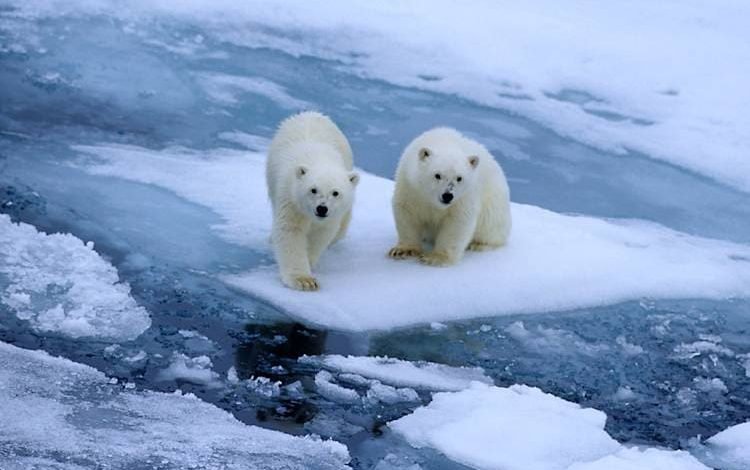
Recent research from the University of Toronto Scarborough has established a direct link between the declining polar bear population in Western Hudson Bay and the reduction of sea ice due to climate change impact. The study reveals that as sea ice diminishes, polar bears are forced to spend more time on land, leading to prolonged fasting periods and decreased hunting opportunities. This shift adversely affects their energy balance, resulting in lower reproduction rates and cub survival, ultimately contributing to the population’s decline.
The researchers developed a bio-energetic model tracking the energy intake and expenditure of individual polar bears throughout their lifecycles. By comparing this model to four decades of monitoring data from 1979 to 2021, they found a nearly 50% decrease in the Western Hudson Bay polar bear population. Notably, the average body mass of adult females dropped by 39 kilograms, and one-year-old cubs by 26 kilograms over a 37-year period.
Lead author Louise Archer noted, “A loss of sea ice means bears spend less time hunting seals and more time fasting on land. This negatively affects the bears’ energy balance, leading to reduced reproduction, cub survival and, ultimately, population decline.”
The study also highlighted that cubs are particularly vulnerable. Shorter hunting periods result in mothers producing less milk, jeopardizing cub survival. Additionally, monitoring data indicates that cub litter sizes have decreased by 11% compared to almost 40 years ago, and mothers are keeping their cubs longer because they aren’t strong enough to live on their own.
Western Hudson Bay has long been considered a bellwether for polar bear populations globally. As the Arctic warms at a rate four times faster than the global average, the researchers warn of similar declines in other polar bear populations. Associate Professor Péter Molnár emphasised,
“There’s every reason to believe what is happening to polar bears in this region will also happen to polar bears in other regions, based on projected sea ice loss trajectories. This model basically describes their future.”
The study, published in the journal Science, received funding from the Natural Sciences and Engineering Research Council of Canada and the Canada Foundation for Innovation.
For more updates on climate change and its impact on wildlife, visit EyeOnLondon. We’d love to hear your views in the comments.
[Image Credit: Polar Bear International]
Follow us on:



Subscribe to our YouTube channel for the latest videos and updates!

We value your thoughts! Share your feedback and help us make EyeOnLondon even better!