UCL study links arts participation with slower biological ageing in adults


Singing in a community choir, painting at home, spending time in a museum, or other arts and culture participation may be associated with slower biological ageing, according to new research from University College London (UCL).
The study looked at how often people engaged with cultural and creative activities and compared this with biological markers of ageing, discovering that that those who took part more regularly appeared biologically younger than those who rarely engaged.
The findings are based on data from 3,556 adults in the UK Household Longitudinal Study. Blood samples and survey responses were used to estimate biological age using epigenetic clocks, which measure changes linked to long-term health outcomes.
Participants who engaged with arts activities at least weekly showed the strongest pattern. In one measure, biological ageing appeared to slow by around 4 percent compared with those who rarely took part. Another measure suggested they were, on average, about a year biologically younger.
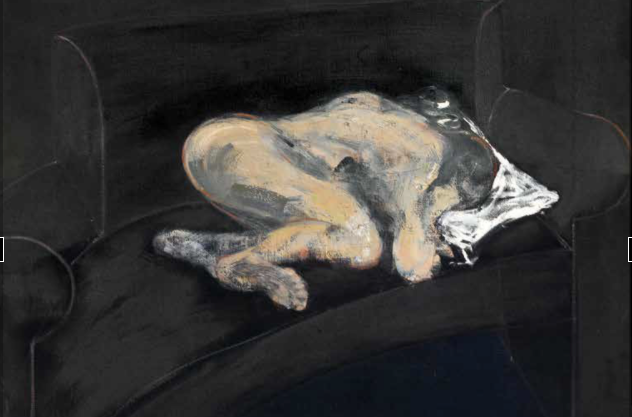
Activities included singing, dancing, painting, photography, crafting, and visiting places such as galleries, museums, libraries, and heritage sites. Researchers also found that the pattern was more pronounced among middle-aged and older adults, particularly those aged 40 and above.
Professor Daisy Fancourt, lead author of the study at UCL, said the findings show an association between arts engagement and biological ageing processes. Dr Feifei Bu, a senior author at UCL, said the results add to evidence linking arts participation with outcomes such as reduced stress, lower inflammation, and cardiovascular health indicators.
The researchers note that slower biological ageing does not necessarily mean longer life expectancy. The measures used can indicate future health risk, but do not confirm a direct causal relationship with lifespan. The study adds to growing research in the area often described as creative health, which explores how cultural participation may relate to health and wellbeing outcomes.
Arts Council England said the findings support the wider value of cultural access and participation, alongside other community-based health approaches. The research was published in the journal Innovation in Aging and draws on biological data designed to estimate ageing rates across different populations.
Public health approaches that encourage movement and routine participation in community life are already being explored across London, including initiatives focused on health walks encouraging residents to get outside and enjoy fresh air, which reflect a broader shift toward prevention-led wellbeing.
Investment in access to culture continues to shape how communities engage with the arts, as seen in funding programmes such as the Arts Everywhere Fund grants supporting cultural organisations across the UK.
Explore more stories on how culture, wellbeing, and everyday life intersect across the capital and what it means for healthier communities, with EyeOnLondon.
Follow us on:



Subscribe to our YouTube channel for the latest videos and updates!

We value your thoughts! Share your feedback and help us make EyeOnLondon even better!