Half of Kew Gardens Trees Threatened by 2090 in Climate Change Warning

Over 50% of Trees in Cherished Botanical Collections at Risk by 2090
Over 50% of the 11,000 Kew Gardens trees are threatened by 2090, according to a new report from the Royal Botanic Gardens, Kew, announced this week.
The study, “Planting for the Future,” highlights the urgent need for diverse and resilient planting to combat climate change impacts.
Impact of Climate Change on Kew’s Trees
The devastating drought of 2022, which resulted in the loss of over 400 trees at Kew (compared to the average annual loss of 30), spurred this research. Using climate modelling, Kew specialists have identified the species necessary to plant now to protect future landscapes.
Richard Barley, Director of Gardens at RBG Kew, stated: “This is not just about Kew Gardens; it is a broad call to diversify the plants we select for our landscapes. By focusing on resilience and adaptability, we hope to mitigate the severe impacts of climate change in both urban spaces and gardens.”
The Cherished UK Species Threatened at Kew Gardens
The report’s models predict that over 50% of Kew Gardens trees are threatened by 2090, with beloved British natives like English oak, common beech, and holly at particular risk.
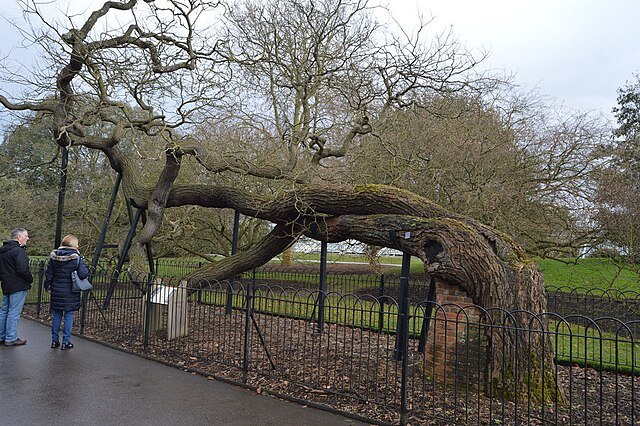
However, Kew’s ‘Old Lions‘—five of the oldest trees in the Gardens—are expected to thrive even in worst-case scenarios.
Recommendations include prioritising resilient species such as Farges’ fir and spoon oak and sourcing plant material from regions with climates similar to the UK’s future conditions.
Collaborating for the Future
Kew Gardens is already taking proactive measures, including growing beech saplings from seeds collected in Romania in 2023. These will be tested for suitability in Kew and other UK locations, with successful stock shared with other public gardens and arboreta. By 2025, Kew’s Landscape Succession Plan will extend to include Wakehurst, Kew’s wild botanic garden in Sussex, aiming to influence planting decisions in urban spaces and gardens nationwide.
The Royal Botanical Gardens aim for the plans to serve as a blueprint for sustainable practices nationwide for the preservation of plant diversity in the face of an uncertain future climate picture.
About Kew Gardens
Kew Gardens, London’s largest UNESCO World Heritage site, offers unique landscapes, vistas, and iconic architecture from every stage of its rich history. The Royal Botanic Gardens boast the world’s largest and most diverse collection of living plants, thriving in expansive outdoor landscapes and specialised environments within its glasshouses and nurseries. This unparalleled diversity and historical significance underscore Kew’s global importance in plant conservation and horticultural excellence.
More News from EyeOnLondon
For more news about Kew, Richmond Borough, and from across London, visit EyeOnLondon online.