Fuel saving myths may be costing you, experts warn

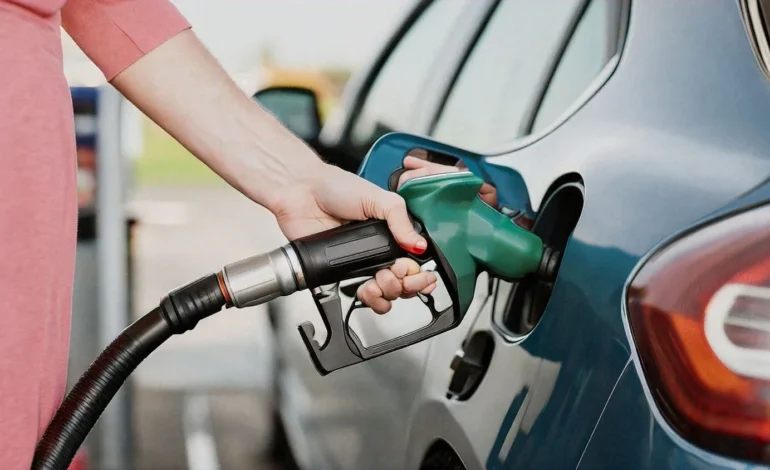
Fuel saving myths could be doing “more harm than good,” road safety and breakdown firm GEM Motoring Assist has warned. They can “even lead to compromises in safety,” it added.
“Modern cars are more efficient than ever,” it said, “but as fuel prices remain very high,” most drivers would be looking for ways to drive more efficiently. “It’s therefore important to know what’s genuine good advice and what isn’t,” the company said.
The first of the fuel saving myths it calls out is coasting downhill in neutral. Modern engines, it said, automatically cut fuel when you stay in gear while decelerating, adding that coasting is unsafe because it reduces control.
Many drivers avoid using air-conditioning at all costs. While turning it off “occasionally is fine,” never running it means that seals can dry out, leaving a less efficient system long-term. Similarly, warming up your engine before setting off wastes fuel. Todays engines, GEM says, warm up best when driven gently soon after firing up.
Over-inflated tyres reduce grip and increase wear so always use the recommended tyre pressure. And filling up the tank only halfway to save weight creates a negligible difference. It results in more frequent refuelling trips, costing time and resulting potentially in “rushed, unsafe stops.”
GEM provides some tips to make genuine fuel that it says are supported by its road test team and “backed up by robust research.”
Gentle use of the brake and accelerator pedal reduces fuel use and mechanical wear. Planning journeys ahead of time to avoid unnecessary detours and traffic jams by employing satnav or route-guidance apps is also recommended. It also advises reducing speed, adding that slowing down from 80mph to 70mph not only helps you “stay safe and legal,” but could improve fuel economy by up to 25%.
Reducing excess weight and drag is also recommended, including roof boxes and bike racks when not needed, and removing non-essential items from the boot.
Finally, it advises keeping your car well maintained: “clean air filters, proper tyre pressure and regular servicing make a big difference.”
Stay tuned to EyeOnLondon for the latest news and expert opinions.
Follow us on:



Subscribe to our YouTube channel for the latest videos and updates!

We value your thoughts! Share your feedback and help us make EyeOnLondon even better!