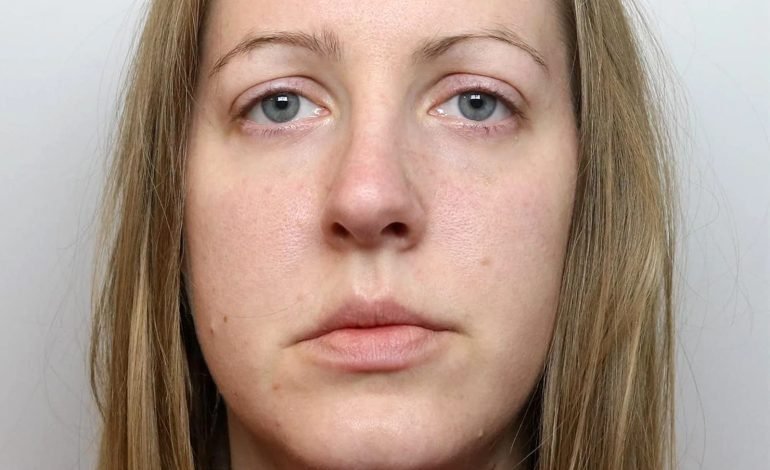
In a surprising twist to one of the UK’s most high-profile criminal cases, a panel of international medical experts has raised serious doubts about the convictions of Lucy Letby, the former neonatal nurse serving a life sentence for the murders of seven babies and the attempted murders of seven others at the Countess of Chester Hospital. Their review of the medical evidence suggests that the babies may have died due to natural causes or substandard medical care, rather than deliberate harm.
The panel, led by Dr Shoo Lee, a retired neonatologist, was brought together to analyse the complex medical data used to secure Letby’s conviction. Dr Lee claims that his own earlier research, which prosecutors had cited in the original case, was misinterpreted and misapplied in court. The group, comprising 14 senior clinicians from around the world, worked independently and without payment, reviewing the medical details of each case. Their findings suggest that the original prosecution overlooked key factors, including potential natural complications and procedural errors within the hospital.
Revolutionising Healthcare: NHS Launches AI Breast Cancer Screening Trial
Read the full story on EyeOnLondonCouncil Tax Set to Rise Above 5% Cap, Sparking Public Concern
Discover more on EyeOnLondonTools Stolen: Traders Demand Urgent Action from Authorities
Read more on EyeOnLondonOne case the panel highlighted involved a baby believed to have died from an air embolism caused by an injection of air into the stomach—a method prosecutors argued Letby used to kill. However, the panel concluded the death could be explained by natural respiratory complications and chronic lung disease. They also cited undiagnosed bacterial infections and incorrect medical procedures, such as the use of the wrong size breathing tubes, as contributing factors in other cases.
Despite these revelations, Letby’s previous appeals were dismissed by senior judges, who ruled that the prosecution’s case was not solely reliant on the evidence being questioned now. Furthermore, the criminal case against Letby extended beyond medical evidence. Prosecutors pointed to her presence during the shifts when the babies collapsed, her online searches related to the families of deceased infants, and personal notes described as “morbid records” of her crimes.
Letby’s defence team is now pursuing a new route to challenge her convictions. They have submitted an application to the Criminal Cases Review Commission (CCRC), the independent body responsible for investigating potential miscarriages of justice. The CCRC will determine whether there is sufficient new evidence to warrant a referral back to the Court of Appeal. Letby’s team argues that the findings of Dr Lee and his panel constitute precisely that—a fresh perspective that casts doubt on the safety of the original verdicts.
However, it remains to be seen whether this new evidence will be enough to overturn the convictions. The medical evidence against Letby was thoroughly examined during her trial, and there is a possibility that the court could rule that these new findings do not offer a substantially different interpretation.
The families of the victims, meanwhile, have expressed their distress at the renewed scrutiny of the case, feeling that it undermines the jury’s verdict and reopens emotional wounds. The public inquiry into the Countess of Chester Hospital’s handling of the situation is ongoing, and the legal process will undoubtedly continue to attract national attention.
For more updates on this case and further insights, visit EyeOnLondon. We’d love to hear your views in the comments.
Follow us on:



Subscribe to our YouTube channel for the latest videos and updates!

We value your thoughts! Share your feedback and help us make EyeOnLondon even better!