Mid-Air Collision Over Potomac River Leaves No Survivors


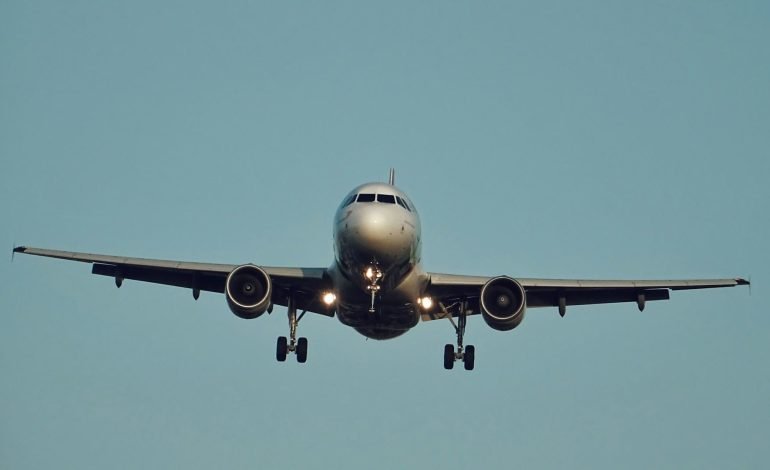
A tragic mid-air collision over the Potomac River in Washington D.C. has resulted in the loss of all lives on board both an American Airlines passenger flight and a US Army Black Hawk helicopter. The incident, which occurred late on Wednesday evening near Ronald Reagan National Airport, is the first major commercial air crash in the United States in 16 years.
Emergency services worked through the freezing night in challenging conditions, searching the wreckage strewn across the river. So far, authorities have confirmed that all 64 people aboard the passenger plane, along with the three military personnel in the helicopter, have died.
Doomsday Clock Moved Closer to Midnight Than Ever Before
Scientists warn the world is closer to catastrophe. What does it mean for global security?
Read MoreSupersonic Flight XB1 Test: The Future of Air Travel?
The XB1 prototype takes flight—could this bring back supersonic passenger planes?
Read MoreHelmet or No Petrol? Greece Proposes Bold New Law
Greek lawmakers debate whether motorcyclists without helmets should be denied fuel.
Read MoreWhat We Know So Far
The aircraft were on their final approach to Washington’s busy airport when the collision happened. Witnesses reported seeing a fireball before debris fell into the icy waters of the Potomac. Early reports suggest that the commercial flight had been cleared for landing when air traffic control issued warnings to the military helicopter, which reportedly did not respond before impact.
Among the victims were well-known figures from the world of sport, including former world champion figure skaters, who were returning from a national training event. Their presence on board has sent shockwaves through the international skating community, with tributes pouring in from fellow athletes and organisations.
Authorities are now piecing together the final moments before the crash. Investigators will examine the flight paths, communications, and possible technical failures. The Traffic Collision Avoidance System (TCAS), which alerts pilots to other aircraft in close proximity, is usually effective in preventing such incidents, making this crash particularly troubling. Aviation analysts have already described it as “perplexing and tragic,” given the technology in place to prevent mid-air collisions.
Response and Investigation
Rescue operations have now transitioned into recovery efforts as divers search for remains and aircraft black boxes. More than 300 first responders have been involved in the operation, battling rough waters, low visibility, and bitterly cold temperatures. The water temperature is close to freezing, further complicating search efforts.
Flights at Ronald Reagan National Airport remain suspended, with disruption expected to continue into the coming days. The impact of the crash on air traffic across the region is significant, as Washington D.C.’s airspace is among the busiest and most tightly regulated in the world.
This disaster raises serious questions about air safety, particularly in high-traffic corridors where military and commercial flights share airspace. Experts are calling for a full review of air traffic control procedures and aircraft avoidance systems to understand how two large aircraft were able to collide in such a controlled environment.
Former President Donald Trump has already weighed in, stating that the mid-air collision “should have been prevented.” Officials have promised a thorough investigation, but for now, the focus remains on recovery and understanding the human toll of this devastating event.
For more updates on this developing story and further insights, visit EyeOnLondon.
[Feature Image Credit: Getty Images]
Follow us on:



Subscribe to our YouTube channel for the latest videos and updates!

We value your thoughts! Share your feedback and help us make EyeOnLondon even better!