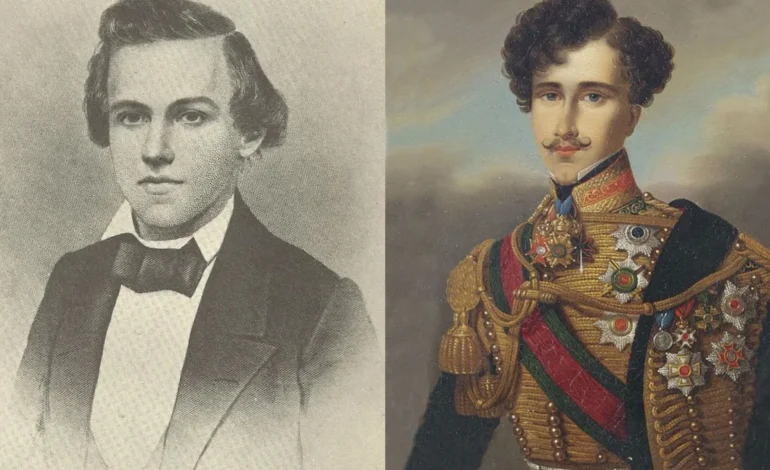
There is something almost cinematic about the famous Opera Game, played in the autumn of 1858 by Paul Morphy against Duke Karl II of Brunswick and Count Isouard de Vauvenargues.
The setting alone feels like fiction: a private box inside the Salle Le Peletier during a performance of Bellini’s, Norma. Music swelling, drama unfolding on stage, while another, quieter masterpiece was being composed over the chessboard.
Seventeen moves. One immortal idea.
It makes you wonder, did the rhythm of the opera seep into the game? Did the crescendos stretch time, or compress it into something sharper, more urgent? Or did Morphy, in his brilliance, simply transcend it, compartmentalising sound, emotion and distraction into pure, disciplined focus?
Because what he produced was not chaos, but clarity.
The setting was dramatic. Morphy played against two consulting aristocrats, Karl II, Duke of Brunswick, a colourful monarch and chess enthusiast with a life full of real-world battles and eccentricities, and Count Isouard de Vauvenargues, in the Duke’s private box. Music filled the air as the game unfolded on a small board.
Morphy, a child prodigy influenced by his cultured family and musical mother, was on a European tour to prove his dominance. He had already defeated top players such as Adolf Anderssen. This casual consultation game carried reputation and pride: for Morphy, avoiding embarrassment against strong amateurs; for the nobles, the honour of challenging the rising American star.
Morphy’s opponents, by contrast, drift, making casual, almost indulgent moves, neglecting development and leaving their king exposed like an actor who has missed his cue.
This is why the game matters.
It is the ultimate lesson in development and initiative. While Black chases material and comfort, Morphy builds momentum, bringing every piece into play with purpose.
The message is timeless: neglect your position, and beauty will dismantle you.
As so often in chess, the board reveals far more than the next move.
And then, the queen.
Her sacrifice is not loss. It is transformation.
A shedding.
A reminder, perhaps fitting in the wake of Spring that renewal often requires release.
In a world that feels chaotic, this game brings us back to something essential: presence, awareness and intention.
Mindfulness is not only how you play, but what you allow to surround you.
More than a century later, Garry Kasparov would demonstrate the same principle in one of the most celebrated attacking games ever played.
A masterclass not just in chess, but in living with precision, courage and flow.
The Challange
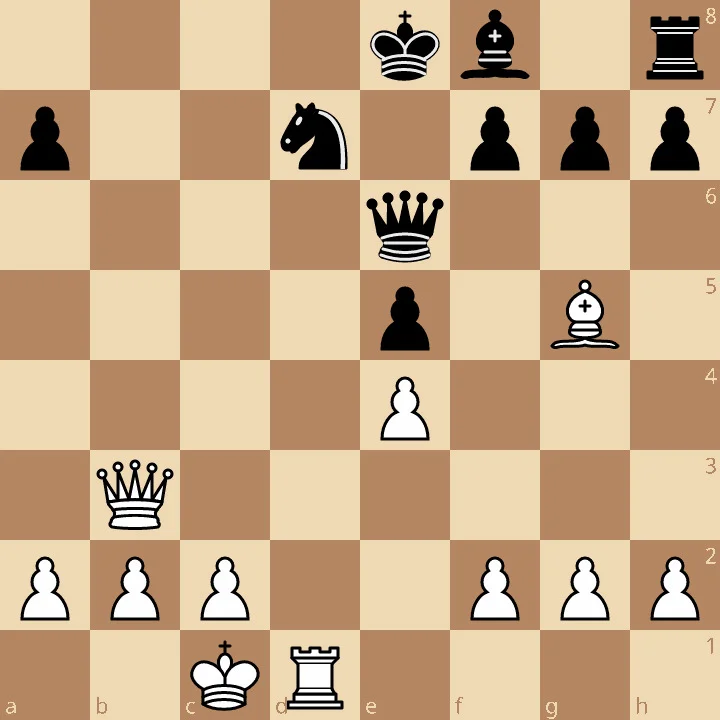
White to move and mate in two
The Solution
At first glance, Black appears to have weathered the attack. White has already sacrificed the queen, and the black king still seems to have pieces around it.
But Morphy has seen further.
White now plays:
A quiet move with a thunderous idea.
The rook blocks the check and, at the same time, prepares mate. Every white piece is perfectly coordinated. The bishop on g5 controls the crucial squares, while the rook is ready to invade on d8.
Black has no defence.
If Black captures the queen with 17…Rxb8, White replies:
Checkmate.
The rook is protected by the bishop on g5, and the black king has no escape.
Morphy had already given up his queen, yet it is the harmony of his remaining pieces that delivers the final blow.
This is the enduring lesson of the Opera Game: development matters. When every piece joins the attack, the final combination can feel both inevitable and beautifully simple.
For more reflections on chess, strategy and the ideas behind the game, explore EyeOnLondon’s chess column.
Follow us on:



Subscribe to our YouTube channel for the latest videos and updates!

We value your thoughts! Share your feedback and help us make EyeOnLondon even better!