Coins of Power: From Alexander the Great to Trump’s Medallions


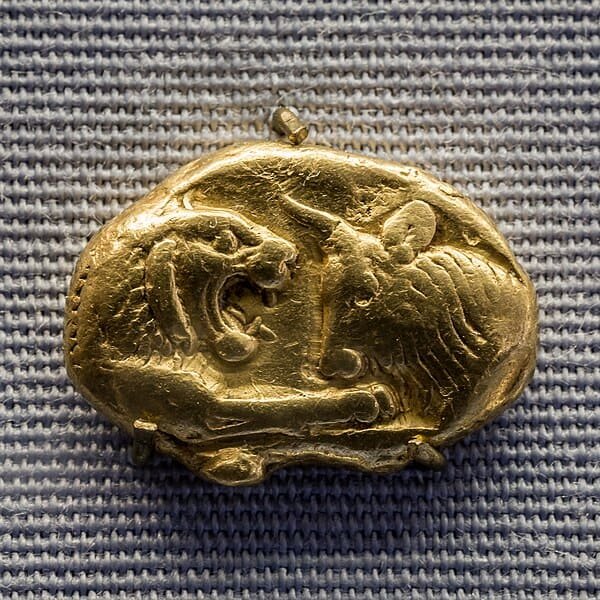
Coins have always been more than just money. Since their invention around 2,600 years ago by the kings of Lydia in modern-day Turkey, they have served as tools of propaganda, power, and profit. These early coins of power were stamped with royal emblems and valued higher than their actual metal content, allowing rulers to pocket the difference—a practice that continues today in the form of fiat currency. From Alexander the Great’s god-like imagery to Donald Trump’s modern medallions, coins have played a pivotal role in shaping history and disseminating power.
When Lydia’s kings introduced coins, they did more than revolutionise trade. They created a system that allowed rulers to profit directly from their subjects. But their legacy extends far beyond economics. Coins became the ultimate messaging platform, distributing images and ideals across empires and societies.
The Greeks: Alexander the Great and Divine Propaganda
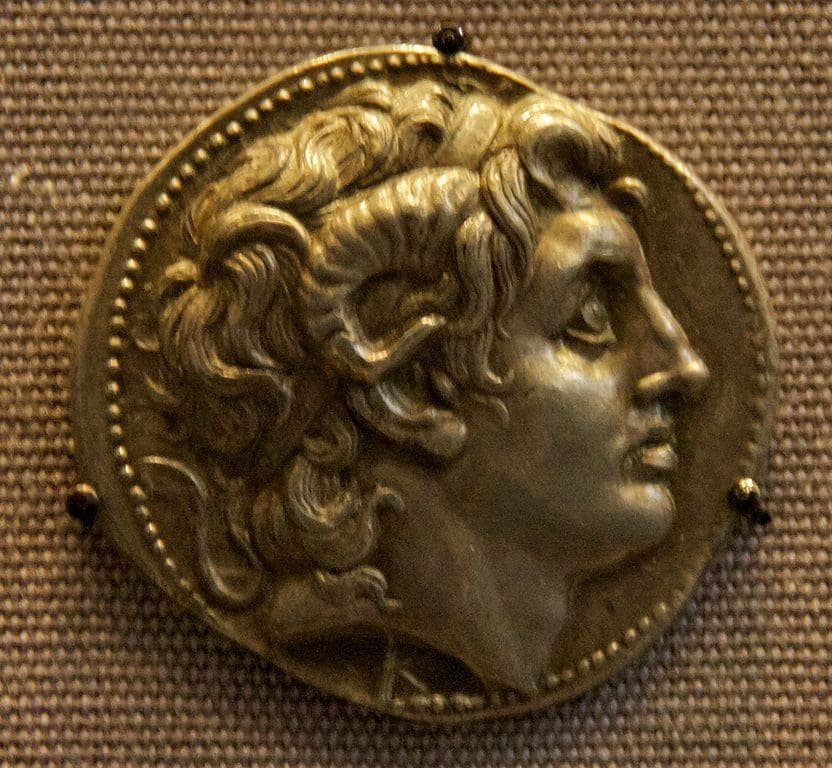
The Greeks were among the first to harness the propaganda power of coins. Alexander the Great, who sought not only to conquer the known world but also to immortalise himself, was the first ruler to place his own image on Greek coins. Previously, Greek coins had been adorned with depictions of gods. Alexander’s coins portrayed him wearing ram’s horns, symbolising the god Zeus Ammon, based on an Egyptian oracle’s claim that Alexander was divine.
Explore World History with EyeOnLondon
Female Leadership in Iron Age Britain
Pompeii’s Hidden Bathhouse Discovery
Medieval Women Shaping Art, Culture, and Society
For more fascinating insights into world history, visit EyeOnLondon for stories that connect the past with the present.
The reverse of his coins often featured Athena Nikephoros, the goddess of victory, holding a spear and shield. This imagery reinforced Alexander’s status as a god-like figure and a victorious leader. But these coins were not just for show—they were essential for paying his armies. In a time when there was no concept of regulating money supply, coins were produced on a massive scale to support his military campaigns. As a result, Alexander’s coins became the gold standard for his successors, spreading his image and legacy far and wide.
The Romans: Masters of Coin Propaganda
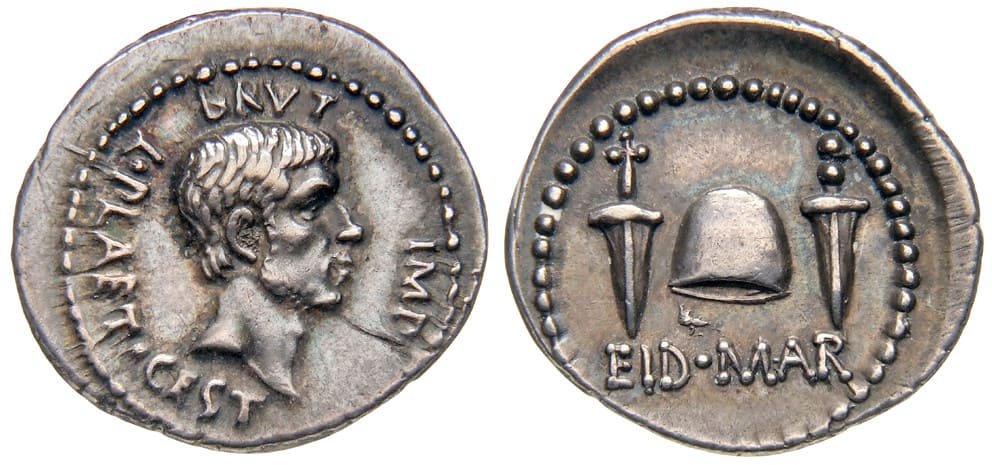
The Romans elevated the use of coins for propaganda to an art form. Julius Caesar’s coins declared him “Dictator in Perpetuity,” a bold statement of his absolute power. On the reverse, the goddess Venus, his mythical ancestor, held Victory in her hand, symbolising his divine right to rule. But Caesar’s ambition would cost him his life. His assassination on the Ides of March in 44 BCE inspired Marcus Junius Brutus to mint one of history’s most famous coins. Brutus’s coin featured daggers and a pileus, the cap of liberty, alongside the words that celebrated Caesar’s murder as an act of restoring freedom to Rome.
Roman coins were not just tools for celebrating victories—they were also instruments of humiliation. After crushing the First Jewish Revolt in 70 CE, Emperor Vespasian issued “Judaea Capta” coins, which depicted a mourning Jewish figure seated beneath a palm tree. These coins circulated throughout Judaea for decades, serving as a constant reminder of Roman dominance.
When the Jews revolted again during the Bar Kokhba Revolt (132–135 CE), they struck back by overstriking Roman coins with inscriptions like “For the freedom of Jerusalem.” These coins became symbols of defiance and hope, even as the rebellion ultimately failed.
Other Civilisations and Their Coins
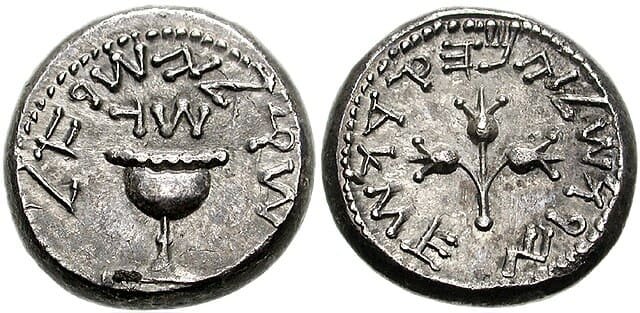
Coins were no less important in other ancient societies. The First Jewish Revolt against Rome saw the minting of silver shekels with inscriptions like “Jerusalem the Holy” and “The freedom of Zion.” These coins became a rallying cry for Jewish independence, showcasing the power of currency as a political tool. Similarly, in Egypt and Mesopotamia, coins often depicted rulers alongside divine symbols, reinforcing their authority as god-kings.
Modern Parallels: Trump’s Medallions and Cryptocurrency
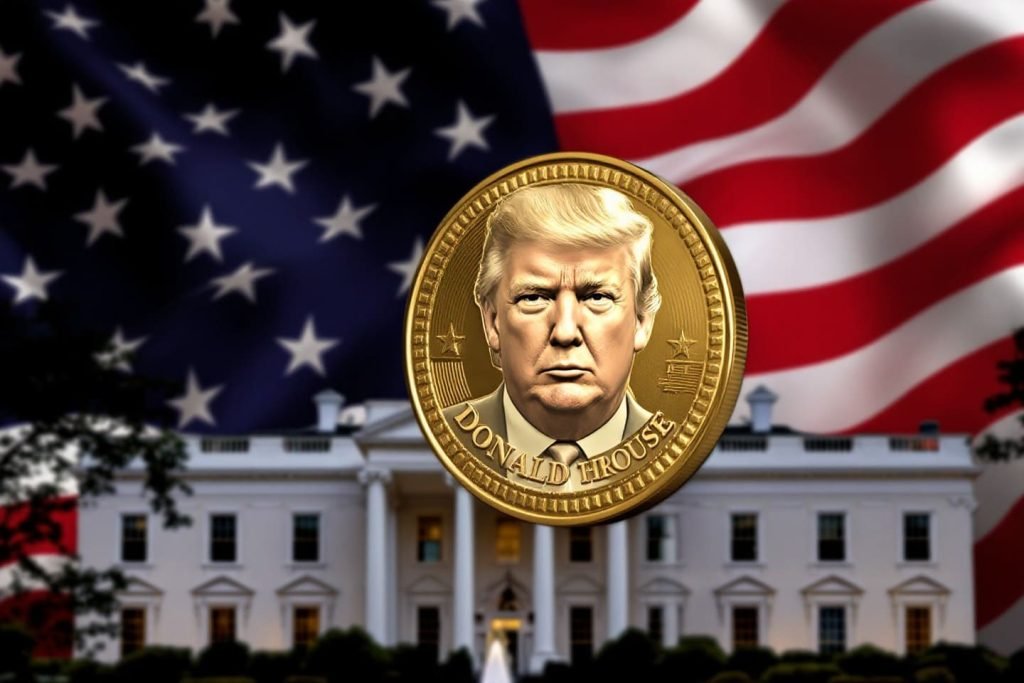
Fast forward to today, and the tradition of using coins as tools of power and propaganda is alive and well. Modern coins still feature the faces of monarchs, perpetuating their symbolic authority. Private mints now produce commemorative coins and medallions, blurring the line between legal tender and collectable items. Former U.S. President Donald Trump has embraced this tradition with his gold and silver medallions, marketed as “minted in America” and sold at premium prices. These medallions, while not legal tender, echo the ancient practice of rulers using coins to project their image and values.
Trump’s ventures into the world of currency also include the “Presidential Gold Aurum® Note,” a 24k gold bill that was launched with great fanfare but is now sold at heavily discounted prices. Meanwhile, Trump’s cryptocurrency, $TRUMP, has achieved remarkable success, highlighting the ongoing evolution of money as a tool for profit and influence.
Coins: Eternal Symbols of Power and Profit
From the first Lydian coins to Trump’s medallions, the story of coins is one of power, propaganda, and human ambition. They have been used to immortalise leaders, rally revolts, and celebrate victories. Coins tell stories—of divine claims, military conquests, and political ideologies. Whilst coins represent symbols of currency history they are also markers of authority and the power of civilisations and their rulers.
Even in the digital age, the legacy of coins endures. Cryptocurrencies, medallions, and commemorative coins all reflect the timeless relationship between money and power. As Alexander the Great, the Romans, and even Trump have shown, coins are more than just money—they are instruments of influence that continue to shape the world.
This article references insights from The Conversation, specifically Trump’s meme coin is nothing new — it takes a page out of the ancient world’s playbook, available here.
For more fascinating history features visit EyeOnLondon.
Follow us on:



Subscribe to our YouTube channel for the latest videos and updates!

We value your thoughts! Share your feedback and help us make EyeOnLondon even better!