TfL launches London walking and wheeling plan with 1,000 new pedestrian crossings by 2031

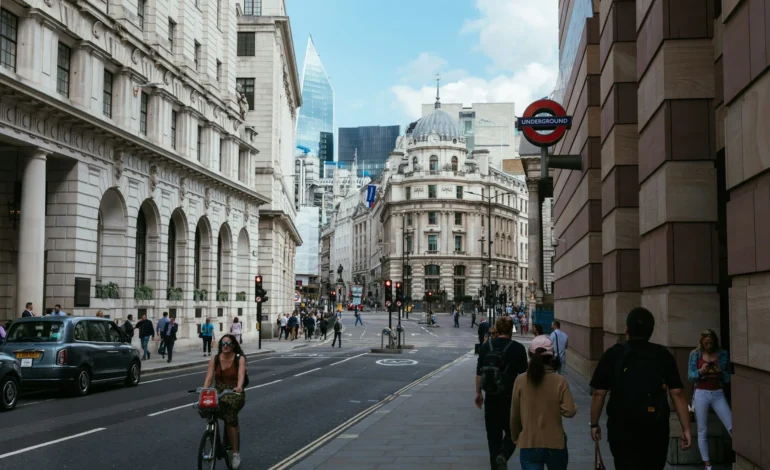
TfL and the Mayor of London have launched a new Walking and Wheeling Action Plan, setting out how the capital will deliver safer crossings, clearer pavements, and better walking routes across London over the next decade. The new strategy outlines how TfL, City Hall, and London boroughs will work together to make walking and cycling easier, safer, and more accessible, with 1,000 new pedestrian crossings due to be delivered by 2031.
Londoners already navigating TfL’s wider network changes during major summer events have seen how quickly transport planning can reshape journeys across the capital. It also reflects wider changes to how London is redesigning key public spaces to improve movement through some of the city’s busiest streets.
Because borough councils manage most of London’s roads, much of the work will be delivered locally through borough transport programmes, with the aim of improving neighbourhood streets right across the capital. The plan includes a major expansion of School Streets, with around 1,000 schools expected to benefit, helping more children walk safely to school.
TfL and boroughs will also develop a new river walking route by 2029, linking existing paths, neighbourhoods and green spaces, alongside a separate strategic walking route connecting parks and waterways across London. In central London, a new movement strategy will look at how public space can better support walking, cycling and public transport connections while strengthening the city’s role as a global economic centre.
Other measures include supporting boroughs to deliver 50 area-wide neighbourhood schemes by 2031, improving walking routes to bus stops and stations, lowering speed limits across more TfL roads, and tackling pavement clutter including poorly parked dockless bikes through Operation Clearway. The action plan also includes further work to improve women’s safety, including CCTV trials at bus stops, women’s safety audits, and night-time transport assessments for new developments.
Walking already accounts for 38% of all journeys made in London, making it the capital’s most common way to travel. TfL says many Londoners are still discouraged by road danger, inaccessible pavements, poor crossings, and concerns about safety.
The strategy supports the Mayor’s wider target for 80% of all journeys to be made by walking, cycling or public transport by 2041, building on progress made since the first Walking Action Plan was introduced in 2018.
TfL says School Streets have now been introduced in more than 800 locations across London, while the proportion of primary school journeys made on foot has reached 63 per cent, exceeding both the original 57 per cent target and the revised 60 per cent target set for 2026.
Major walking improvements are already underway elsewhere in the capital, including at Lambeth Bridge, where junction upgrades to the north and south are almost complete and work on the bridge itself is expected to finish within the next couple of weeks.
How walkable is your local area changing? Share what street improvements you would like to see in your part of London. Read more London transport and infrastructure coverage at EyeOnLondon.
Follow us on:



Subscribe to our YouTube channel for the latest videos and updates!

We value your thoughts! Share your feedback and help us make EyeOnLondon even better!