Timeless Trials: The Legacy of Odysseus in Literature and Myth

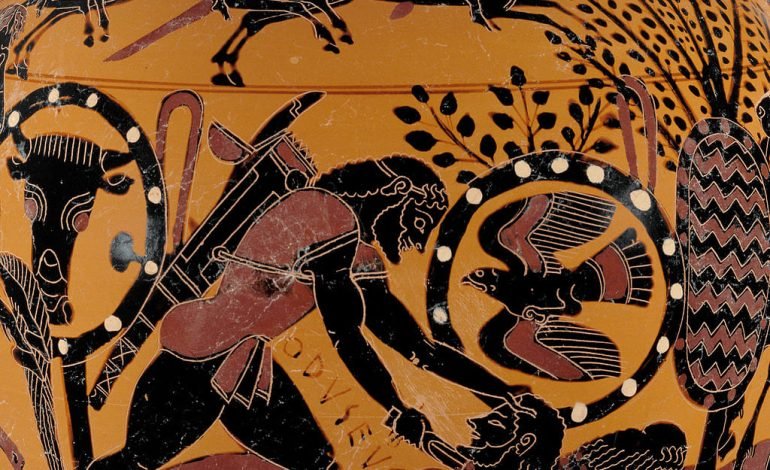
The story of The Odyssey has captivated audiences for millennia and provides an intriguing window into ancient Greek mythology. Known as one of the world’s oldest pieces of literature, this epic poem follows the journey of Odysseus, king of Ithaca, as he embarks on a 10-year odyssey home after the Trojan War. The long journey back home to Ithaca is one of self-discovery and cunning as he faces trials from mythical creatures, gods, and forces of nature.
While much of the Iliad and Odyssey is attributed to Homer, scholars continue to debate the poet’s identity, suggesting that these stories may have been passed down orally before being written in the 8th century BC. “Odysseus is so curious about everything,” says Hans Bjork, Assistant Professor of Classics at Stanford University. “That’s what makes him such a compelling literary figure.” Odysseus’s curiosity is evident in his encounter with the sirens, mythical creatures who lure sailors to their doom with enchanting music. Refusing to avoid their perilous song, he instructs his crew to plug their ears and tie him to the mast so he can listen safely.
Explore More EyeOnLondon Stories
Silk Roads: Ancient Trade Networks at the British Museum
Odysseus’s fame extends far beyond Homer’s epics, appearing in works by Aeschylus, Sophocles, and Euripides, as well as modern interpretations by authors such as James Joyce, Emily Watson and Margaret Atwood. Bjork calls him “one of the most prolific figures in ancient myth,” highlighting how Odysseus’s adaptability and intelligence make him a lasting literary icon. His encounter with Polyphemus the cyclops exemplifies his trickery. After blinding the giant, Odysseus incites the wrath of Poseidon, prolonging his journey home with violent storms.
Unlike Greek heroes such as Achilles, known for physical prowess, Odysseus is celebrated for his intellect and strategic thinking. His most famous act of cunning is devising the Trojan Horse, leading to the fall of Troy. However, as Bjork observes, Odysseus’s tactics often come with a dark edge: “Sure, it’s fun, but it still led to this massive slaughter and the enslavement of an entire city.”
Odysseus’s character invites multiple interpretations. For some, his tale represents resilience, loyalty, and the will to reunite with family. For others, it reflects the trauma of war. As Bjork explains,
“In the 1960s and 1970s, scholars started to see The Odyssey as an exploration of PTSD, especially with Odysseus breaking down in tears while recounting his experiences.”
The Odyssey continues to captivate us with its timeless themes and examination of the human condition. Odysseus, whether you see him as a clever hero or a cunning trickster, still takes centre stage in stories shared across the globe. His legend is not just preserved in ancient texts—it’s also being reimagined for modern audiences. Variety magazine has announced that the acclaimed director Christopher Nolan is set to bring The Odyssey to life on the big screen in 2026, complete with a stellar cast and groundbreaking IMAX visuals. Nolan’s adaptation, promises to breathe fresh energy into this classic tale, proving that Odysseus’s journey is as gripping today as it was thousands of years ago
This article draws on insights from the original feature published by History.com titled “Who Was Odysseus?”.
Visit EyeOnLondon for more arts & culture features and reviews.
Follow us on:



Subscribe to our YouTube channel for the latest videos and updates!

We value your thoughts! Share your feedback and help us make EyeOnLondon even better!