Oldest human remains in Northern Britain identified as Mesolithic girl buried 11,000 years ago

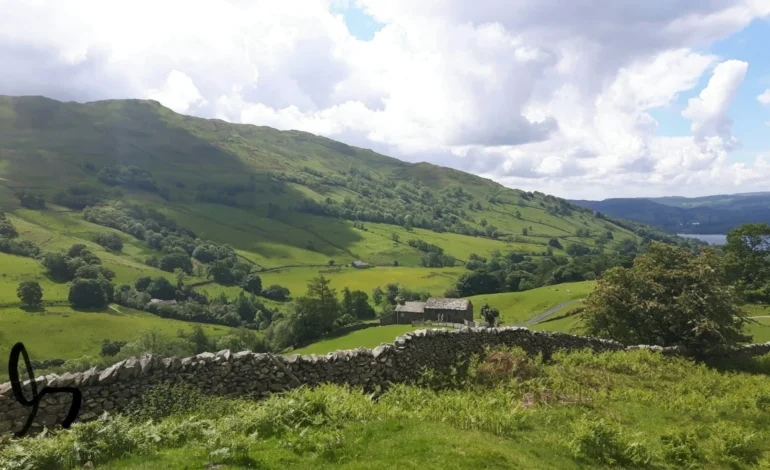
Archaeologists in Cumbria have identified the oldest known human remains ever discovered in Northern Britain as those of a young girl who lived around 11,000 years ago. The remains were uncovered inside Heaning Wood Bone Cave near Great Urswick during excavations led by local archaeologist Martin Stables. Researchers later extracted DNA from the remains, confirming the child was female and likely between two-and-a-half and three-and-a-half years old when she died.
The discovery has added to wider archaeological research examining early prehistoric communities, including recent studies into how Neanderthal populations declined more than 110,000 years ago. Researchers are also continuing to explore how ancient remains and prehistoric fossils could contribute to modern scientific understanding of diseases including cancer.
Dr Rick Peterson, who led the research team, said it was the first time researchers had been able to identify both the sex and precise age range of a child whose remains were this old. The burial is now considered the third oldest known Mesolithic burial in northwestern Europe and represents some of the earliest evidence of human activity in Britain after the last Ice Age.
Researchers say discoveries inside the cave suggest the burial was intentional. Archaeologists also uncovered jewellery including beads and a pierced deer tooth, carbon dated to around 11,000 years ago.
Dr Peterson said dating the jewellery to the same period as the remains provided further evidence that the cave was deliberately used for burial rituals during the Mesolithic era. He also pointed to similarities with modern hunter-gatherer communities, where caves are sometimes viewed as gateways into the spirit world, which researchers believe may help explain why cave burials appear across parts of northern Europe during this period.
Stables chose the name “Ossick Lass” using local dialect linked to Urswick itself, saying he wanted the child to remain connected to the village where she was buried thousands of years ago. The excavation began as a personal project driven by Stables’ interest in the prehistoric history surrounding Great Urswick. He said uncovering the burial of a young child from more than 11,000 years ago had become the most poignant moment of the excavation.
Researchers also determined that at least eight individuals were buried inside Heaning Wood Bone Cave across several prehistoric periods, including the Early Bronze Age, Early Neolithic period and Mesolithic era. Evidence suggests the burials were all intentional.
Ancient human remains from this period are particularly rare in Northern Britain because Ice Age glaciers reshaped much of the landscape and destroyed large amounts of archaeological evidence. Before this discovery, the earliest known human remains identified in Northern Britain came from a 10,000-year-old burial uncovered at Kent’s Bank Cavern in 2013.
The findings have now been published in the Proceedings of the Prehistoric Society Journal.
What other prehistoric sites across Britain deserve closer archaeological investigation? Read more history and archaeology coverage at EyeOnLondon.
Follow us on:



Subscribe to our YouTube channel for the latest videos and updates!

We value your thoughts! Share your feedback and help us make EyeOnLondon even better!