Hornet Attack in Laos Claims Lives of American Teacher and Son

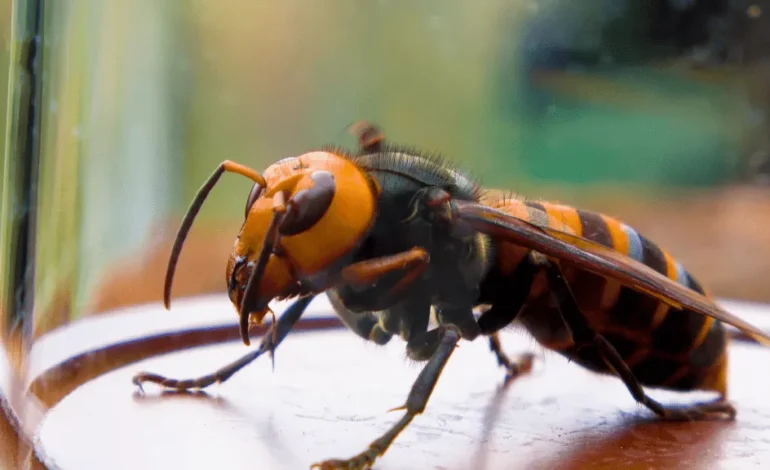
A hornet attack in Laos has claimed the lives of an American teacher and his teenage son after a swarm of Asian giant hornets struck during a zip-lining excursion in the jungle near Luang Prabang.
Daniel Owen, aged 47, and his 15-year-old son, Cooper, were on holiday at an eco-adventure park when they were attacked by hundreds of hornets as they descended from a tree-top platform. Despite receiving medical treatment within the hour, both died later in hospital.
International News — Latest from EyeOnLondon
Global developments, diplomatic shifts and major world events.
Peru cuts diplomatic relations with Mexico over ex-PM asylum
Lima responds to asylum for a former prime minister with a full diplomatic break and regional concerns.
Read the storyMore International News
Regional fallout after Peru–Mexico diplomatic break
What the severing of ties signals for Latin American politics and future cooperation.
Read the analysisMore International News
New York City Marathon 2025
All the key details for one of the world’s most-watched road races and how London runners feature.
Read the storyMore International News
A local doctor described the stings as “the most severe” he had seen in over two decades, saying the pair arrived conscious but covered in red welts. He noted that although neither showed signs of anaphylaxis, the sheer number of stings proved overwhelming.
A fatal holiday adventure
Mr Owen, from Idaho, was a well-known international school director based in Haiphong, Vietnam, where he had worked for almost two decades. His colleagues said he was “deeply loved” for his warmth, leadership, and commitment to education.
Former students have since shared tributes, describing him as “the kind of teacher who made people feel safe and seen”. One wrote that he had personally helped her secure a scholarship when she doubted she could afford university.
The family’s trip to Laos had been intended as a birthday celebration for Owen, who died just before turning 47.
The park’s response
The zip-line operator expressed its condolences and confirmed a review of safety measures. The business, which attracts visitors from around the world, described the event as “unforeseeable and extraordinary”, adding that it was the first such incident in its history.
Laos has seen a sharp rise in eco-tourism this year, with millions of visitors drawn to its rivers, temples, and rainforests. The tragedy has prompted concern about emergency response standards and risk assessment in remote adventure parks.
Understanding the danger
Asian giant hornets (Vespa mandarinia) are the world’s largest hornet species, reaching up to five centimetres in length. A single sting can cause excruciating pain, and multiple stings may lead to organ failure even without an allergic reaction.
Experts advise travellers to wear light clothing and avoid perfumes or bright colours, which can attract insects. Further guidance is available from the World Health Organization.
A representative from a leading bee and insect health organisation explained that the insects become particularly aggressive when defending their nests. “There’s no fixed number of stings that becomes lethal,” he said. “It depends on how the body reacts — and sometimes, that’s tragically unpredictable.”
Wider safety implications
Adventure tourism in Southeast Asia has boomed in recent years, with zip-lining and trekking among the most popular activities. However, medical facilities in rural areas are often limited, and insect-related injuries can quickly turn serious.
Local authorities are expected to issue new guidance for operators and visitors, focusing on emergency procedures and prevention in wildlife-rich areas.
For more independent coverage of travel and safety across the world, follow EyeOnLondon for informed, balanced reporting and stories that matter.
Follow us on:



Subscribe to our YouTube channel for the latest videos and updates!

We value your thoughts! Share your feedback and help us make EyeOnLondon even better!