Barbican exhibition returns to 1996 at the height of Cool Britannia

A new exhibition at the Barbican Music Library marks 30 years since 1996, with the Barbican 1996 exhibition bringing together original artefacts from a year when British culture gathered pace and held attention, with London firmly at its centre.
There is a confidence in focusing on a single year. It avoids the usual sweep of decade-based retrospectives and instead settles on the moment when different parts of British life appeared to move in step. Music, fashion, art and politics did not simply coexist. For a time, they reinforced each other.
More reporting from EyeOnLondon
Policy, science and global developments shaping London’s wider world.
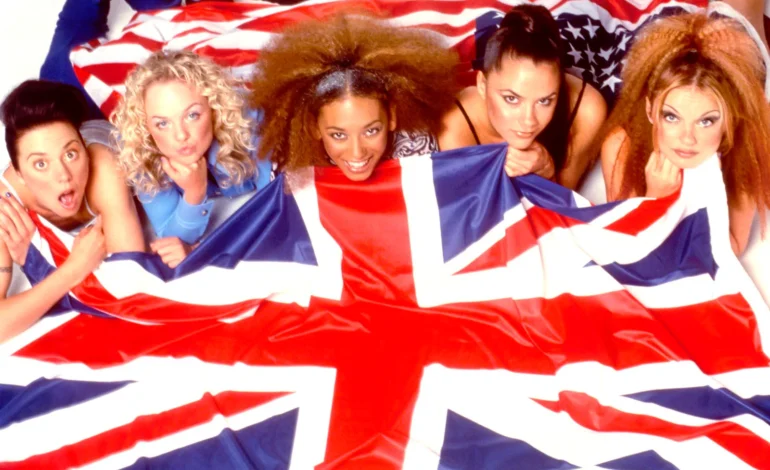
The exhibition opens with the most recognisable symbols of that shift. Outfits worn by the Spice Girls sit at the centre of the display, including Mel B’s leopard print catsuit from the 1997 BRIT Awards, alongside Geri Halliwell’s Union Jack platform boots and Emma Bunton’s blue dress. A BRIT Award trophy from the same period sits nearby, grounding the spectacle in an industry that was expanding quickly and with purpose.
That sense of scale runs through the exhibition. Material linked to Oasis reflects a parallel surge in British guitar music, with references to their defining performances and the reach they achieved. Around this, contributions from DJs such as Paul Oakenfold, Dave Pearce and Judge Jules show how dance culture was beginning to move beyond its original spaces and into wider public life.
Photography carries much of the atmosphere. Images by Jill Furmanovsky and Derek Ridgers capture artists on stage and away from it, placing them within a scene that feels both immediate and already historic. The effect is not nostalgic in a simple sense. It shows how quickly a shared cultural language can take shape.
The exhibition also draws in the wider context without losing its focus. The release of Trainspotting marked a shift in British cinema, while artists including Tracey Emin and Damien Hirst were bringing contemporary art into sharper public view. In politics, the early rise of Tony Blair pointed to a change in tone, while Euro ’96 provided a moment of national focus that reached beyond sport.
Curated by Dominic Mohan, the exhibition resists the urge to over-explain. The objects are allowed to sit in relation to one another, and from that, a pattern emerges. What becomes clear is not just what happened in 1996, but how it felt to live through a period when British culture carried a distinct sense of momentum.
The Barbican’s programme forms part of the City of London Corporation’s wider cultural strategy, which aims to expand access to arts and heritage across the Square Mile. Further detail on that approach is available through the Corporation’s Destination City programme.
Running until 19 September 2026 with free admission, the exhibition offers a measured way of returning to a year that continues to shape how British cultural confidence is understood, particularly in London where much of that energy first took hold.
Follow EyeOnLondon for clear reporting on London’s exhibitions, culture and the ideas shaping the city today.
Follow us on:



Subscribe to our YouTube channel for the latest videos and updates!

We value your thoughts! Share your feedback and help us make EyeOnLondon even better!