Natural History Museum launches Museums for Nature programme to help UK museums create wildlife habitats

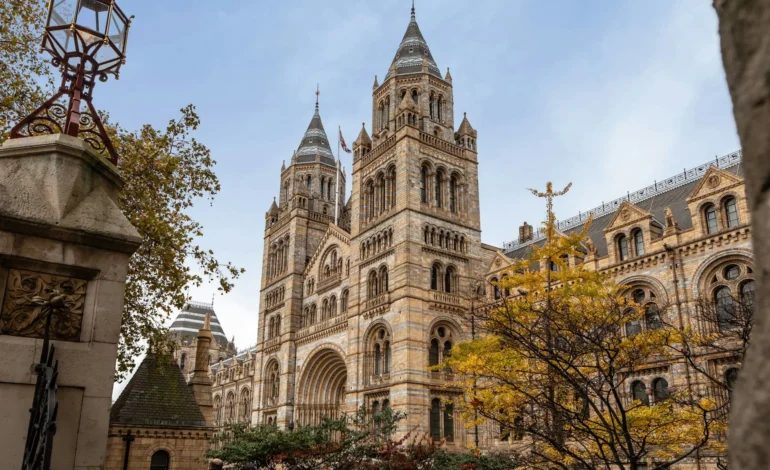
The Natural History Museum has launched a new UK-wide biodiversity programme that will help museums turn their grounds into spaces for wildlife recovery and community nature projects. The initiative, called Museums for Nature, will see the London museum work with eight partner organisations during its pilot year to map habitats, improve biodiversity, and create greener public spaces across museum sites.
The museum’s wider environmental work follows recent projects that have included major public-facing exhibitions exploring prehistoric marine ecosystems and humanity’s connection to the natural world. It also arrives during broader debate around how Britain’s major museums are adapting their public role as funding pressures reshape discussions about access and sustainability.
The programme builds on the museum’s own garden transformation in South Kensington, which opened in 2024, and reflects a growing push to make cultural institutions more active participants in environmental recovery. Supported by The National Lottery Heritage Fund, the project will help museums identify practical ways to improve biodiversity on their sites, from creating pollinator-friendly planting areas to digging ponds and developing climate-resilient landscaping.
The first museums taking part are Birmingham Museums Trust, The Herbert Art Gallery & Museum in Coventry, Great North Museum: Hancock in Newcastle upon Tyne, Amgueddfa Cymru, Touchstones Rochdale, Wollaton Hall in Nottingham, National Museums NI, and the Natural History Museum at Tring.
Communities will also be invited to take part through hands-on conservation activity and community science projects designed to connect local people more directly with nature. The project forms part of the museum’s Urban Nature Movement, which supports its long-term goal of encouraging public participation in environmental action.
The initiative arrives as museums continue to rethink how their spaces can serve wider public needs, from major exhibitions that reconnect visitors with natural history to broader conversations about the future role of Britain’s national cultural institutions.
Further information about Museums for Nature is available through the Natural History Museum.
Could museum grounds become some of Britain’s most important new spaces for local nature recovery? Explore more London environment and culture reporting at EyeOnLondon.
Follow us on:



Subscribe to our YouTube channel for the latest videos and updates!

We value your thoughts! Share your feedback and help us make EyeOnLondon even better!