Fauré, Prokofiev and Brahms in Simon Mundy’s classical CD reviews

Piano music dominates this selection of classical music recordings, though the worlds inhabited by Fauré, Prokofiev and Brahms could hardly be more different. What links them is the importance of interpretation, a quality that has surfaced repeatedly in recent recordings and one that often proves more revealing than technique alone.
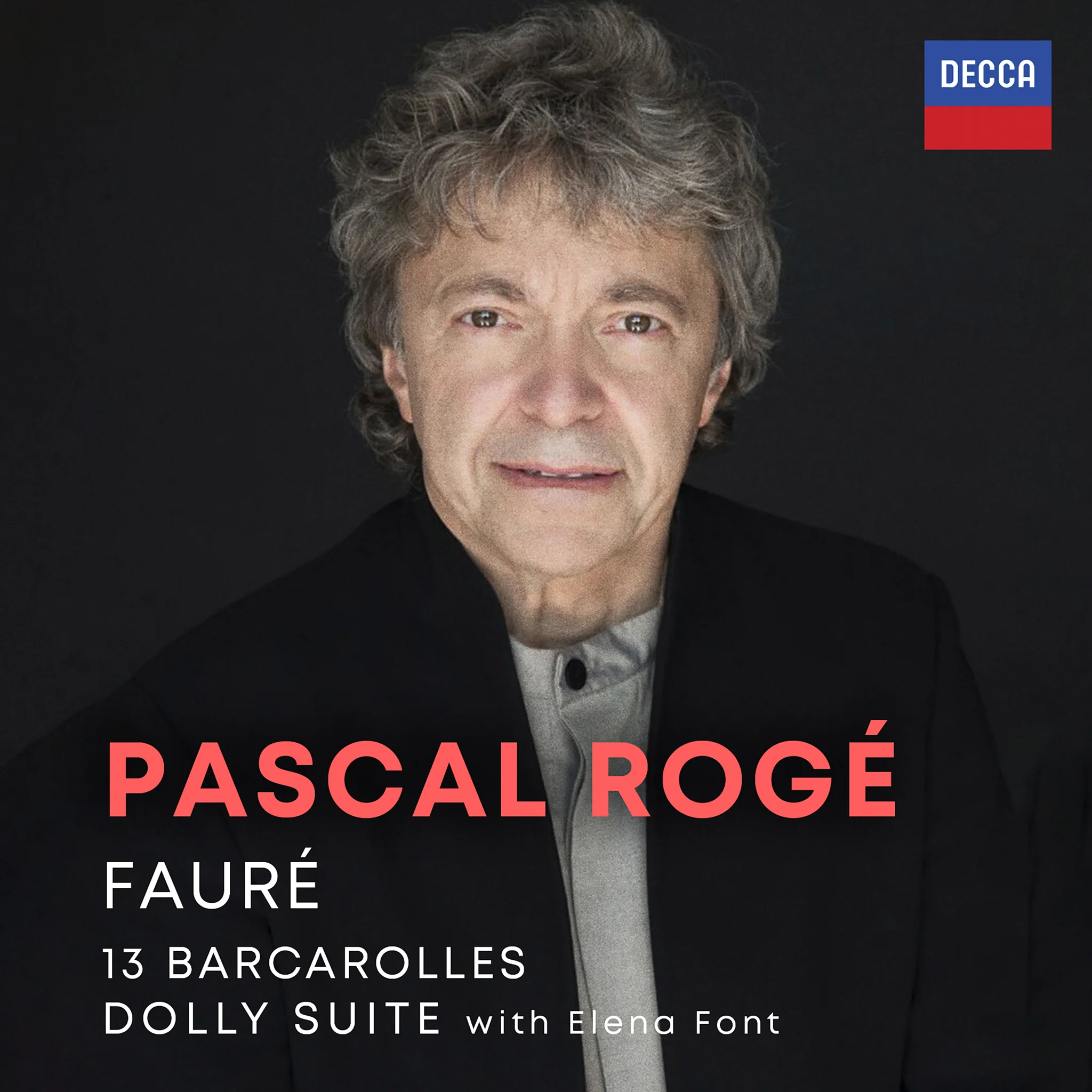
Pascal Rogé records Fauré’s 13 Barcarolles and Dolly Suite with Elena Font for Decca
[Image Credit | Decca]
Fauré
13 Barcarolles
Dolly Suite
Pascal Rogé – Piano
Elena Font – Piano
Decca 487 1913
Fauré’s importance tends to be overlooked in comparison to Ravel and Debussy, who wrote far more (and bigger) orchestral music but his invention and subtlety should not be underestimated. He wrote chamber works that are always immaculately crafted and full of gentle passion. The two other composers have been at the heart of Pascal Rogé’s repertoire all his life so it is a natural progression for him to choose the Fauré Barcarolles for this album marking his own 75th birthday. In my view nobody living performs late Romantic and early 20th century French piano music with the insight and sensitivity of Rogé. His interpretation of the Barcarolles has the ebb and flow, the eddies of water, occasional choppy currents and the splash of oars shaping every bar (without making the listener feel sea sick). He never over uses the sustaining pedal or lets the notes have a percussive ping. Every touch is integrated and takes the musical line forward. The same sense of direction guides the partnership with his wife, Elena Font, in the delights of the child’s moods and games in the Dolly Suite. This album is near definitive in recent decades.
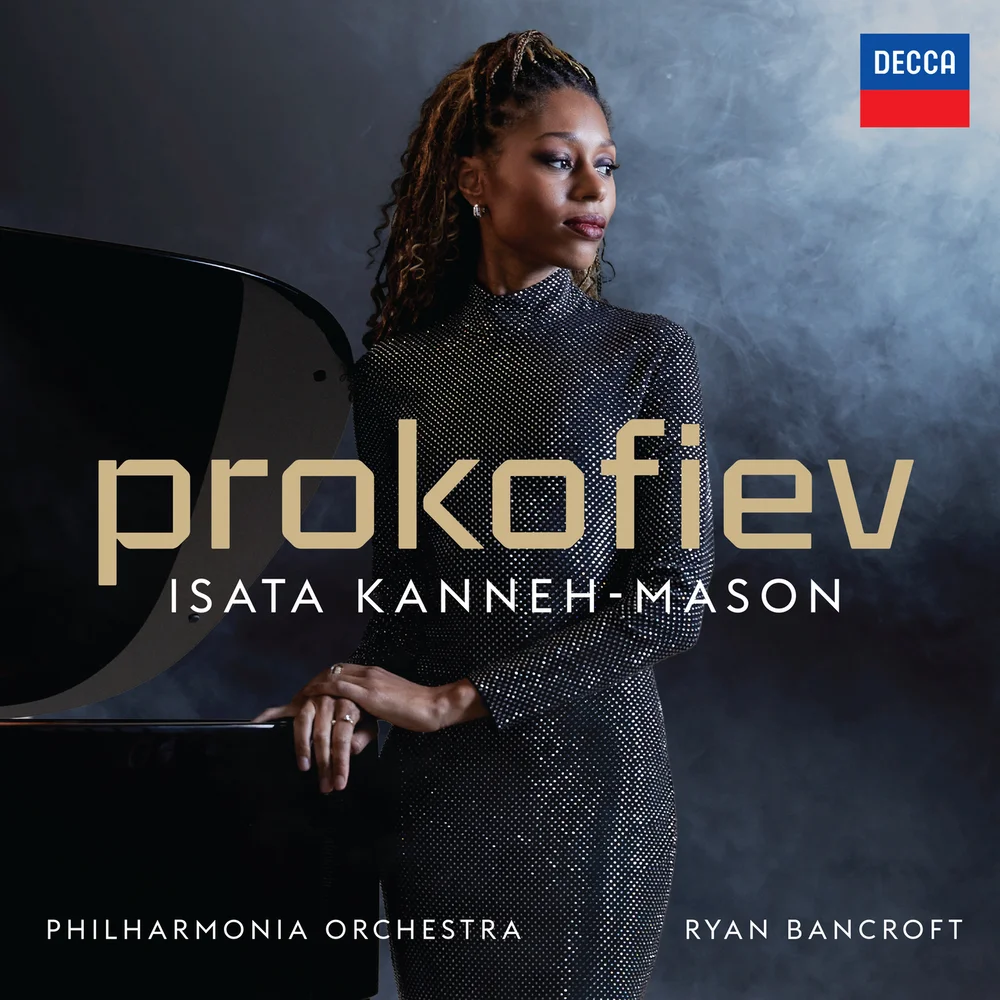
Isata Kanneh-Mason records Prokofiev with the Philharmonia Orchestra and Ryan Bancroft for Decca
[Image Credit | Decca]
Prokofiev
Piano Concerto No.3
Piano Sonata No.3
Four Pieces from Romeo & Juliet
Prelude Op. 12 No.7
Various shorter piano works
Isata Kanneh-Mason – Piano
Philharmonia Orchestra
Ryan Bancroft – Conductor
Decca 487 1857
If Fauré’s piano music is all about subtle touch, Prokofiev’s is a barrage of percussive precision, at least in the virtuosic outer movements of his big works. Most of the works here are from Prokofiev’s early years, during the First World War and (the Third Concerto from 1921) after the Russian revolution and the composer’s temporary escape to America, when his music was often frantic. Even so, there is no need to bash the keys as too many pianists do and it is to Isata Kanneh-Mason’s credit that she avoids the temptation without ever losing the sense of driven energy. She and Ryan Bancroft have collaborated on the concerto before (though with a different orchestra), when she made her Proms debut three years ago. For all her artistry, though, an entire disc of Prokofiev’s heavy-duty pianism is relentless. It makes for exciting but not always pleasant listening. I suspect the tracks will be heard at their best advantage when they are downloaded individually or heard in isolation on the radio. It is a fine example of Kanneh-Mason’s prowess but will be collectable for her and the concerto.
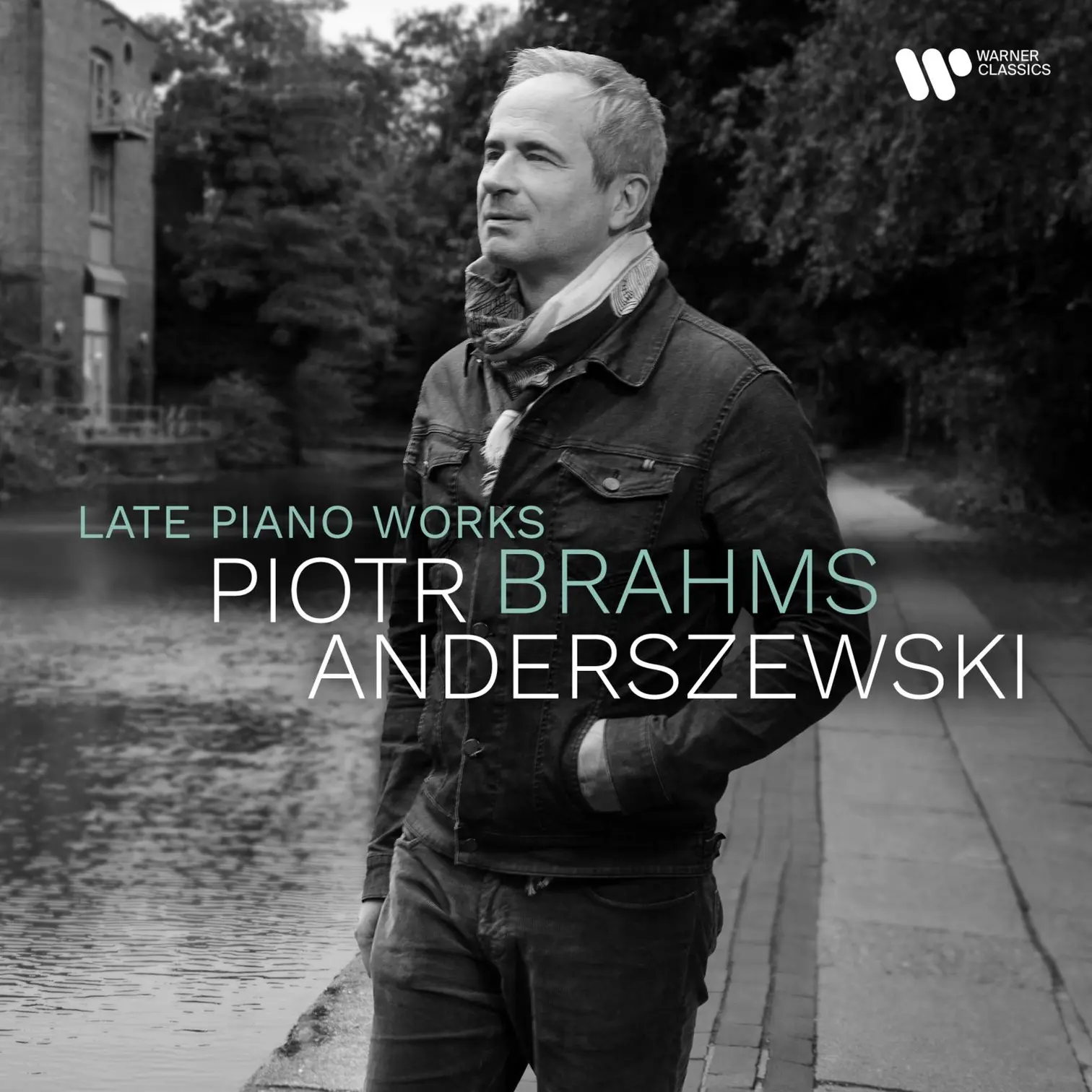
Piotr Anderszewski records Brahms Late Piano Works for Warner Classics
[Image Credit | Warner Classics]
Brahms
Late Piano Works
Piotr Anderszewski – Piano
Warner Classics 5021732988065
The late sets of works for solo piano, Op. 116–119, are beautiful, comforting and disturbing in equal measure. None of the individual Fantasies and Intermezzi are particularly long but they are intense. Brahms wrote them in late middle age; a bachelor living alone in Vienna and looking back at his unsatisfactory romantic life. While he was too good a composer to provide detailed programmes, allowing the music to remain abstract, it is quite possible these are portraits, or at least glimpses, of the women he had been fond of and, in some cases, loved deeply. Some had died, most had married, very few had returned Brahms’ affection beyond social kindness. A decade or two later Elgar also used his music to explore his feelings about the women in his life in instrumental music, allowing the exact references to remain enigmatic. Most pianists miss the point, playing the little scenes just as piano pieces, hiding from their implications by rushing though them or smoothing out their undulations. Anderszewski does neither. He has chosen eleven of the thirty or so pictures with just the right sense of remembrance. They are allowed to feel improvisatory, as if Brahms was dreaming at the keyboard. He makes them into love poems once again. His interpretation is one that is a model of how to send us dreaming too.
Discover more classical music, theatre, arts and culture coverage at EyeOnLondon.
Follow us on:



Subscribe to our YouTube channel for the latest videos and updates!

We value your thoughts! Share your feedback and help us make EyeOnLondon even better!