Antarctic dinosaur discovery sheds new light on giant prehistoric species as Natural History Museum cast goes on display

A cast of Patagotitan mayorum, the largest known titanosaur species and the biggest animal ever to walk the Earth, is currently on loan from the Natural History Museum, and on display at Peterborough Cathedral until 13 September. The display comes as scientists have described the first Antarctic dinosaur fossil ever discovered on the continent, providing fresh evidence that giant long-necked dinosaurs once lived in one of the world’s most remote regions.
The newly identified fossil is a single vertebra recovered during a British Antarctic Survey (BAS) expedition in 1985. Although it was collected decades ago, researchers have only recently confirmed that it belonged to a dinosaur.
The discovery has now been published in the journal Acta Palaeontologica Polonica in the paper A titanosaurian sauropod dinosaur from the Late Cretaceous of Antarctica.
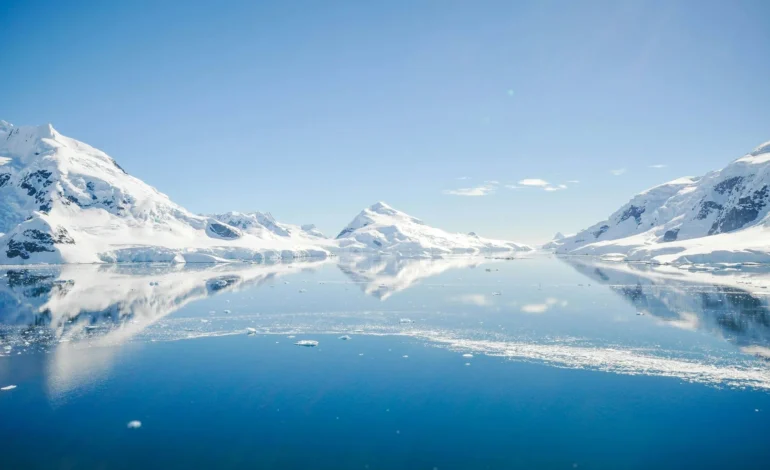
Antarctica has one of the smallest dinosaur fossil records of any continent because most of its land remains buried beneath ice, making geological exploration extremely difficult. Most dinosaur remains found there have come from either the Transantarctic Mountains or the Antarctic Peninsula and nearby islands, where exposed coastal rock allows scientists to search for fossils.
The vertebra was collected by Dr Mike Thomson of the British Antarctic Survey while a research team was documenting rock formations on the Antarctic Peninsula. Their primary focus was not dinosaurs but marine fossils such as ammonites, which help scientists date ancient rock layers. The fossil was recovered from the Santa Marta Formation, a marine rock layer dating back around 82 million years to the Late Cretaceous. Researchers believe the dinosaur’s body drifted out to sea after it died before eventually settling on the seabed, where it became buried and fossilised.
Scientists concluded that the vertebra belonged to a member of the Titanosauria, a group of long-necked dinosaurs that includes the largest land animals ever known. While some titanosaurs weighed more than 15 tonnes, researchers believe this Antarctic dinosaur was much smaller. It is estimated to have measured around six to seven metres long and may have been either a juvenile or a dwarf species.
The discovery also offers new clues about how dinosaurs spread across the ancient southern supercontinent of Gondwana.
Titanosaurs have not yet been discovered in Australia, while evidence from New Zealand remains limited. Researchers say confirming their presence in Antarctica strengthens the possibility that these dinosaurs moved between connected southern landmasses while they were still joined.
Despite Antarctica’s location near the South Pole, scientists say the region was much warmer during the Late Cretaceous because extensive volcanic activity released large amounts of carbon dioxide into Earth’s atmosphere.
The research was carried out using material collected by the British Antarctic Survey, with the findings helping to improve understanding of Antarctica’s prehistoric wildlife and the movement of dinosaurs across the southern continents.
Explore more London science, museum and natural history news at EyeOnLondon.
Follow us on:



Subscribe to our YouTube channel for the latest videos and updates!

We value your thoughts! Share your feedback and help us make EyeOnLondon even better!