Nature Discovery Garden records 11 million environmental data points in first year

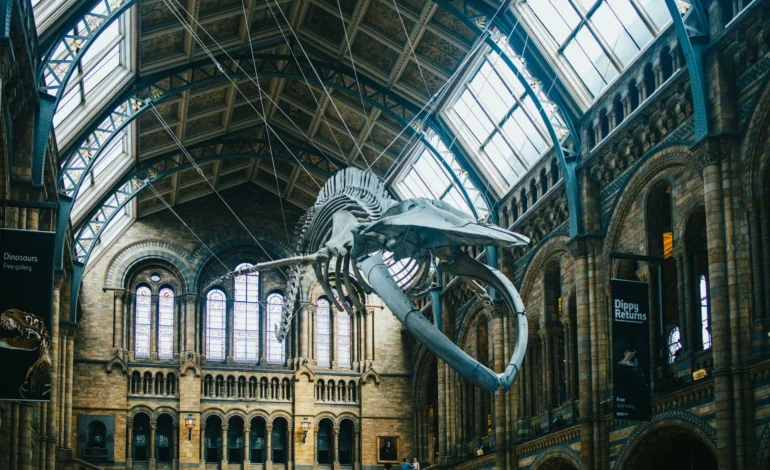
The Natural History Museum’s Nature Discovery Garden has generated more than 11 million environmental data records during its first year as a high-tech urban research site, giving scientists an unusually detailed picture of how nature responds to conditions in central London.
More than 50 sensors installed across the garden continuously monitor factors including temperature, humidity and sound. The system also captures underwater acoustic data from the pond, bird calls and everyday urban noise such as traffic.
The information is being brought together through the museum’s AWS-powered Data Ecosystem, which combines sensor readings with imagery and other scientific observations. The aim is to build a growing evidence base for understanding biodiversity and how urban ecosystems change.
One early finding emerged during June’s heatwave. Soil temperature sensors in woodland areas of the museum’s gardens recorded temperatures around 10 degrees Celsius lower than those measured in paved areas of the Darwin Centre Courtyard, where planting has been designed with climate resilience in mind.
That difference gives researchers a way to examine how trees, shade, soil moisture, and permeable surfaces can influence temperatures in built-up areas. The longer-term goal is to establish which planting and landscape approaches can help cities adapt to rising heat.
The garden also provides an important record of urban wildlife. Monitoring carried out since 1995 has documented more than 3,500 species, with blackbirds the most frequently observed. Since the gardens reopened in 2024, researchers have identified another 90 species not previously recorded there, including the Emperor Moth and Small Red-Eyed Damselfly.
The work is also being used to study the wider effects of conservation measures, including the transfer of pond material from the former Wildlife Garden into the Nature Discovery Garden.
Now, the museum is extending its sensor network into the Evolution Garden. Its different planting style and higher visitor numbers will allow scientists to explore whether habitat design and human activity influence biodiversity in different ways.
Follow EyeOnLondon for more London stories covering the people, places, environment, and changes shaping the capital.
Follow us on:



Subscribe to our YouTube channel for the latest videos and updates!

We value your thoughts! Share your feedback and help us make EyeOnLondon even better!