Devil’s Arrows stones were hauled 18km from Brimham Rocks, study finds

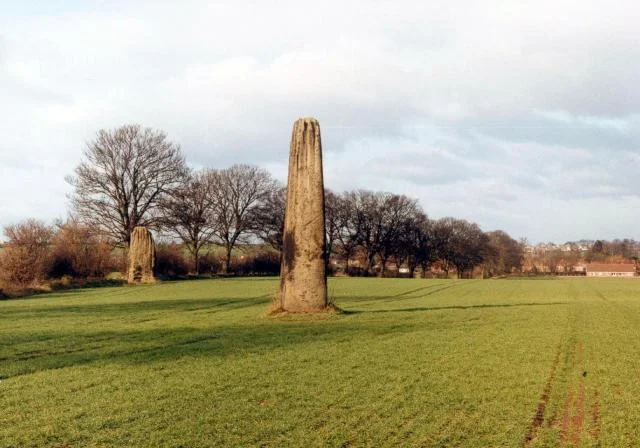
The enormous stones forming the Devil’s Arrows in North Yorkshire were deliberately transported at least 18 kilometres from their natural source, according to new research that sheds light on how prehistoric communities built one of Britain’s most striking monuments.
Standing near Boroughbridge, the Devil’s Arrows are the tallest surviving prehistoric stone row in Britain, with the stones reaching around seven metres in height. Their origins had remained uncertain, with nearby Plumpton Rocks previously considered a possible source.
Researchers from Curtin University and the University of York have now identified Brimham Rocks as the geological source of the stones. The finding suggests prehistoric builders were prepared to move stones weighing more than 25 tonnes across a substantial distance, rather than simply using the closest available material.
The stones are thought to have been transported and erected during the Late Neolithic or Early Bronze Age, possibly around 2000 BC. The distance involved raises questions about why Brimham Rocks was selected and what significance the landscape may have held for the people who built the monument.
To establish the connection, the researchers used a low-impact sampling method involving adhesive tape to collect tiny mineral grains from the standing stones. The geological characteristics of those grains were then compared with samples from potential source locations.
The results matched the Devil’s Arrows with Brimham Rocks and also helped researchers discount the possibility that the stones had reached their present location through natural glacial movement. The evidence therefore points to deliberate human transportation.
The research could also change how other prehistoric monuments are investigated. The team intends to apply the sampling technique to additional standing stones whose origins remain unclear, while further archaeological work could help establish more precisely when and how the Devil’s Arrows were constructed.
The study, “Deliberate Prehistoric Sourcing of the Devil’s Arrows, Britain’s Tallest Stone Row,” was led by Curtin University in collaboration with the University of York and published in the Proceedings of the Royal Society A.
Image: © Copyright Paul Allison and licensed for reuse under this Creative Commons Licence.
For more, visit EyeOnLondon at eye-on-london.com
Follow us on:



Subscribe to our YouTube channel for the latest videos and updates!

We value your thoughts! Share your feedback and help us make EyeOnLondon even better!