Ancient Australian Fossils Reveal Oxygen Was Vital to Early Complex Life

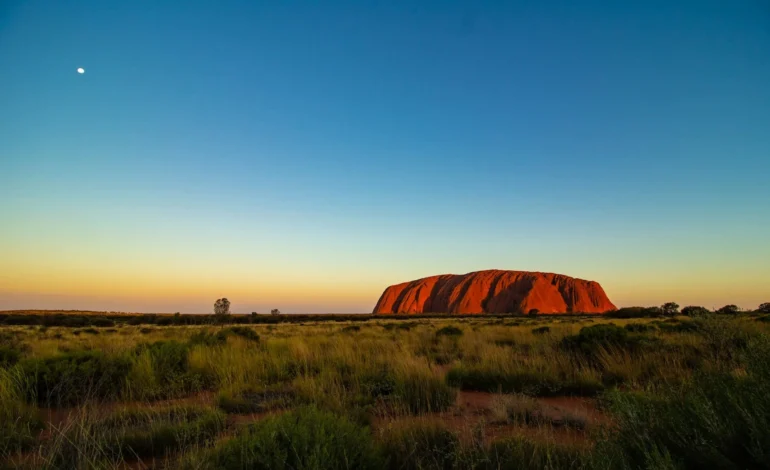
Rock cores stored for decades in an open-air warehouse in Darwin have yielded more than 12,000 ancient microscopic fossils that are helping scientists reconstruct the conditions in which the earliest complex life evolved.
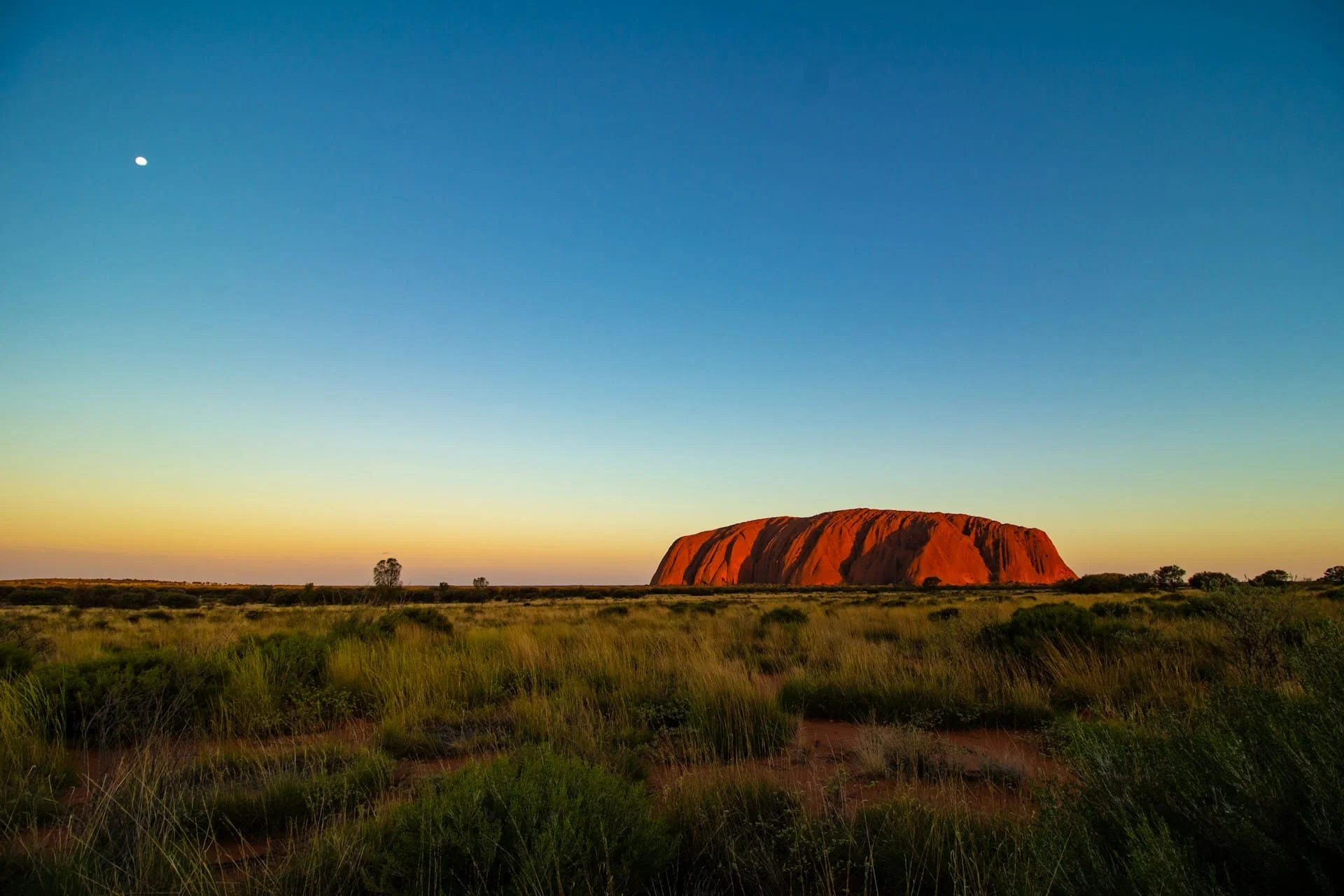
The fossils were found in mudstone recovered from hundreds of metres underground by mineral exploration companies. The rocks formed from ancient seafloor sediments deposited between about 1.75 and 1.4 billion years ago, when much of northern Australia was covered by an inland sea.
A study published in Nature has now used these fossils to investigate one of evolution’s biggest questions: where and under what conditions did eukaryotes, the complex cells that eventually gave rise to animals, plants, fungi and algae, first thrive?
Researchers crushed samples of the ancient mudstone and dissolved them before examining the remaining organic material under microscopes. They identified more than 12,000 fossils, then combined the fossil evidence with sedimentary and chemical analysis of the surrounding rocks.
The results point strongly towards oxygen.
Eukaryote fossils were found in environments ranging from coastal mudflats to offshore settings, but they were almost entirely restricted to sediments deposited where bottom waters contained oxygen. Rocks formed in oxygen-free environments contained simple prokaryotic organisms instead.
The pattern suggests that the earliest known eukaryotes were aerobes, relying on oxygen, and probably lived on or close to the seafloor. The researchers argue that eukaryotes may have remained largely confined to oxygenated benthic habitats for much of the Proterozoic, only expanding into open-water environments much later.
That finding is significant because the role of oxygen in the origin of complex life has been debated. Although modern eukaryotes generally depend on oxygen, some living eukaryotes can survive without it, while geological evidence shows that oxygen-free marine environments were widespread during the period when early eukaryotes were evolving.
The ancient fossils therefore provide something genetic studies of living organisms cannot: direct evidence of where extinct early eukaryotes actually lived.
The study, led by Maxwell Lechte, Leigh Anne Riedman, Susannah Porter, Galen Halverson and Margaret Whelan, offers a new window into the evolutionary transition that ultimately made complex life possible.
For more, visit EyeOnLondon at eye-on-london.com
Follow us on:



Subscribe to our YouTube channel for the latest videos & updates!

We value your thoughts! Share your feedback and help us make EyeOnLondon even better!