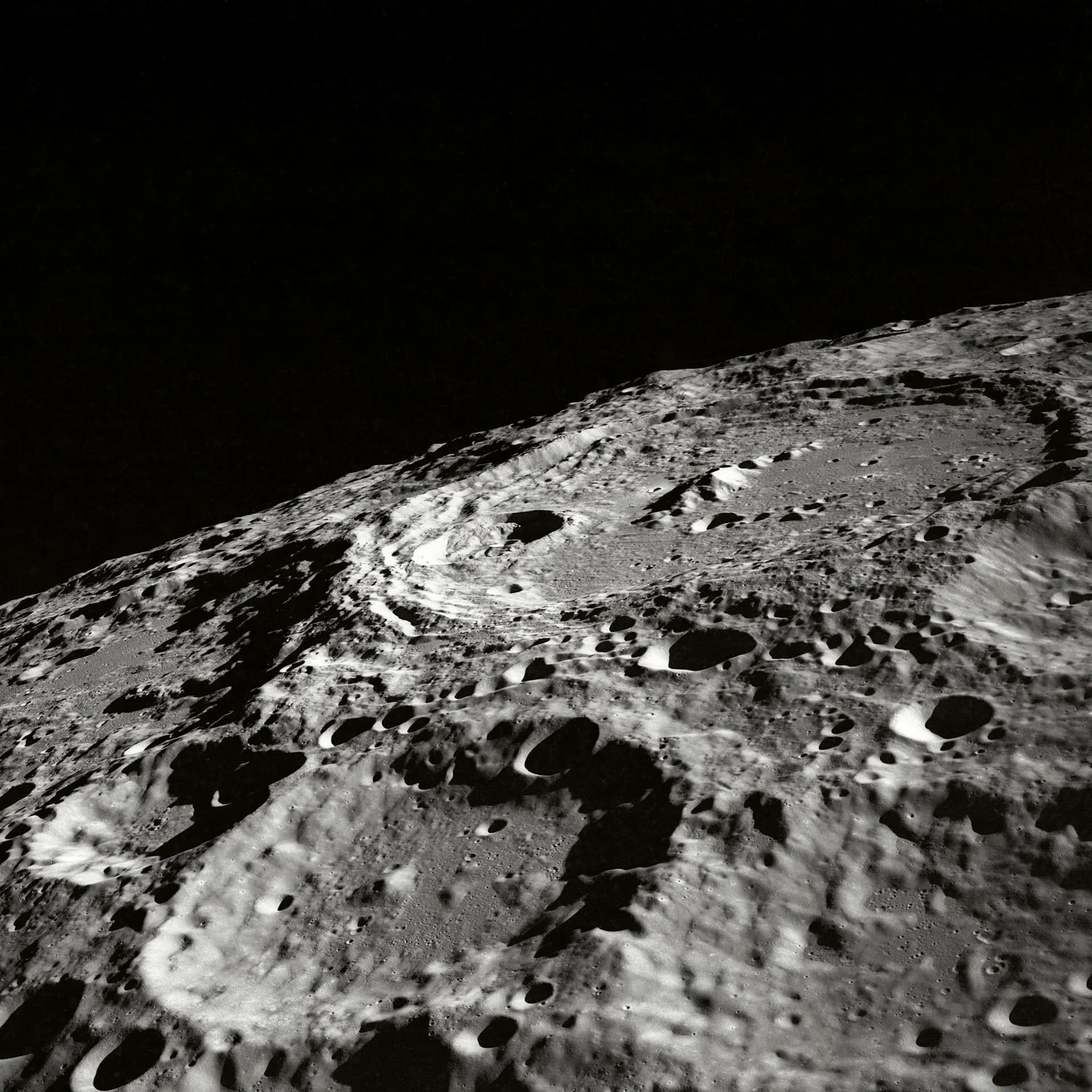
NASA backs mission to investigate possible lava tube beneath Moon

NASA has selected a new mission to investigate whether a large underground cave or lava tube extends from a pit on the Moon, potentially opening a window into the lunar surface and the volcanic activity that shaped it.
The project, called the Geophysical Instruments for Marius Lunar pit Investigation (GIMLI), will examine the Marius Hills Pit, a large opening in one of the Moon’s most volcanically diverse regions. Scientists have already identified evidence from orbit suggesting that lunar pits could connect to underground lava tubes formed by ancient volcanic activity.
Led by Than Putzig of the Planetary Science Institute (PSI), GIMLI will use several instruments to look beneath the lunar surface rather than relying solely on orbital observations. The mission is being developed with Honeybee Robotics and the Norwegian Space Agency, with its instruments due to travel to the Moon aboard a lander and rover provided through NASA’s Commercial Lunar Payload Services initiative.
The investigation will combine ground-penetrating radar, active-source seismic measurements and gravity observations. Cameras will also record the surface and the exposed walls of the pit. Together, these measurements could reveal whether a substantial void extends underground and help researchers estimate its size and structure.
The possibility of lunar caves has attracted particular interest because underground spaces could provide natural protection from the intense radiation and extreme temperature swings found on the Moon’s surface. That could make confirmed lava tubes potentially important for future human exploration, although GIMLI is primarily a scientific investigation.
The mission could prove valuable even if no cave or lava tube is found. The Marius Hills Pit exposes layers of lunar regolith and ancient lava flows that would normally remain buried. Studying them could help scientists understand how the pit formed and reconstruct episodes of volcanic activity in the region.
GIMLI is funded through NASA’s Payloads and Research Investigations on the Surface of the Moon (PRISM) programme. Its wider scientific team includes researchers from Boise State University, Johns Hopkins University, the Lunar and Planetary Institute and the University of Oslo.
If a lava tube is confirmed, the discovery would provide new evidence about how volcanic processes operated on the Moon. It could also turn one of the Moon’s most intriguing pits into a direct route towards understanding its hidden geological past.
For more, visit EyeOnLondon at eye-on-london.com
Follow us on:



Subscribe to our YouTube channel for the latest videos & updates!

We value your thoughts! Share your feedback and help us make EyeOnLondon even better!