Native Oysters Survive on New North Sea Reef in Encouraging Restoration Trial

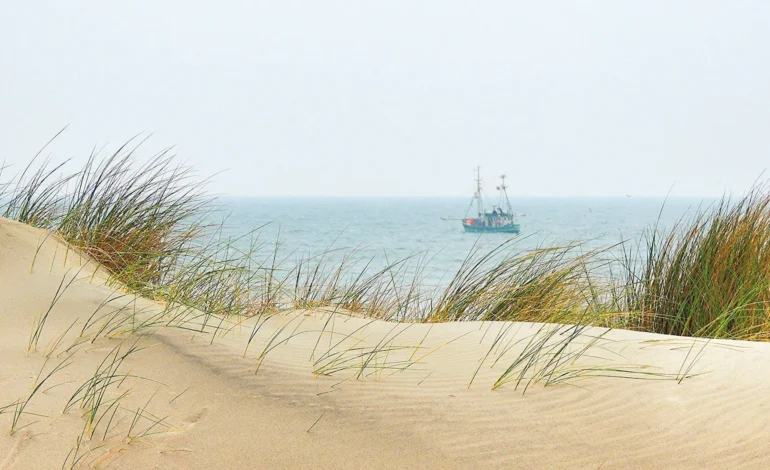
Native oysters are surviving and reproducing on a newly restored reef off the coast of Whitburn in South Tyneside, offering an encouraging early sign that efforts to rebuild lost oyster habitat in the North Sea are taking hold.
Dive surveys carried out nine months after the installation of the reef found that 99% of the adult oysters attached to specially designed reef cubes were alive and healthy. Divers also recorded juvenile oysters that had survived their first winter, alongside fish, shrimps, squat lobsters and other marine life using the developing habitat.
The restoration site, created in October 2025, covers one hectare and contains 20 oyster reef cubes, 60,000 juvenile native oysters and 100 tonnes of scallop shell, known as cultch, which provides a stable surface for oysters to attach to. The textured cubes were also seeded with 4,000 adult oysters and designed with central openings that provide shelter for marine species.
The work forms part of The Wild Oyster Project: Tyne and Wear, a five-year restoration and conservation programme involving Groundwork North East and Cumbria and other project partners. The initiative aims to improve marine biodiversity, water quality and nursery habitat for fish and other species.
Native oyster reefs once occurred widely in the region but disappeared more than a century ago. Across the UK, native oyster numbers have fallen by more than 95% since the 1800s, with habitat loss, over-harvesting, pollution and disease among the factors contributing to the decline.
Oysters are particularly valuable because they filter seawater as they feed. A single native oyster can filter up to 200 litres of water a day, while established reefs can also create complex habitats for other marine organisms.
The survey results have already influenced the next stage of the project. Custom-designed cages have been fitted inside the reef cubes to hold adult and juvenile oysters together, helping establish multiple generations while reducing predation. A further 1,000 mature oysters and 15,000 juveniles have now been added.
The team plans to continue monitoring and adapting the site as it develops. With funding from the Stronger Shores initiative due to end in 2027, the project partners are also seeking further support to expand native oyster restoration along the North East coast.
For more, visit EyeOnLondon at eye-on-london.com
Follow us on:



Subscribe to our YouTube channel for the latest videos & updates!

We value your thoughts! Share your feedback and help us make EyeOnLondon even better!