Natural History Museum returns Ainu Ancestors to Japan as pressure builds over remains in UK museums

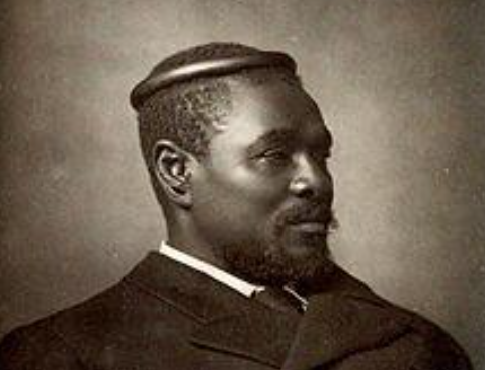
Four of the seven people whose remains left the Natural History Museum for Japan this month had been in London for around 160 years. They were dug up from burial sites in Yakumo and Mori, two villages on the Japanese island of Hokkaido, and donated to the museum long before anyone thought to ask the Ainu people whether they wanted them back.
Nobody did ask, for most of that century and a half. That changed earlier this year, when the museum hosted a formal ceremony to hand the seven sets of ancestral remains to representatives of the Ainu Association of Hokkaido and the Japanese government. Members of the association held a ritual in the museum’s gardens beforehand, and by the Friday the remains had landed at New Chitose Airport, ready to be placed in a memorial site at the Upopoy National Ainu Museum and Park.
This was the fourth time Japan has secured the return of Ainu remains from an overseas institution, and it followed the same quiet, procedural route as the previous three: archival research by museum staff to establish provenance, a report handed to the Japanese government, and a decision by trustees, taken in November 2025, that the museum had no good reason to keep what it held.
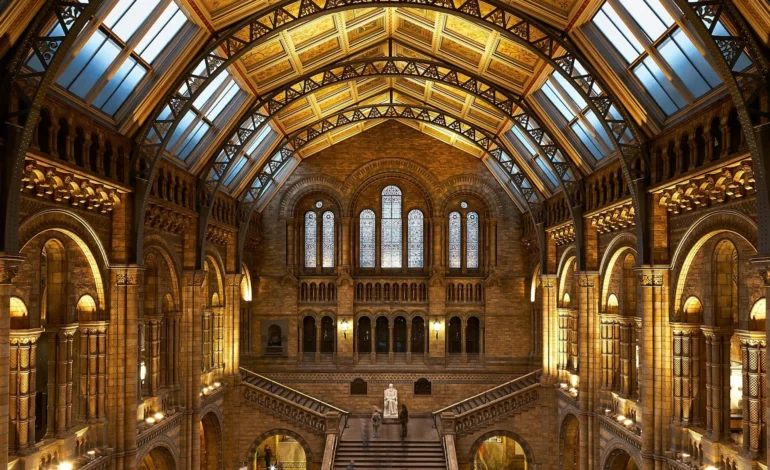
The Ainu case is small against the scale of what the Natural History Museum holds. The museum’s human comparative collection comprises around 27,500 individuals, drawn from more than 50 countries across every inhabited continent.
A March 2026 investigation by the Guardian, based on freedom of information requests to 241 UK institutions, found that British museums and universities collectively hold more than 263,000 items of human remains, and separately identified the Natural History Museum as the single largest holder of non-European remains in the country, with figures in the reporting ranging from roughly 11,200 to nearly 11,800 individuals depending on how the count was drawn.
Not every national museum in London is answering that pressure the same way. The British Museum’s own published policy restricts claims for the transfer of human remains to material less than 1,000 years old, a threshold that rules out most of the roughly 9,000 remains it holds, the bulk recovered from British excavations of prehistoric and Roman sites rather than from overseas.
The Natural History Museum works differently: it has granted every repatriation request where a genuine connection to a community or place of origin could be established, and says it has now returned close to 600 individuals in total, to countries including Australia, New Zealand, South Africa, and the United States, as well as Japan. The museum’s own published figures put its human remains collection at nearly 27,500 individuals, a fraction of the roughly 38 million specimens the museum has spent this year moving out of Kensington to a new science and digitisation centre.
There is still no single UK law forcing either institution’s hand. The Human Tissue Act 2004 only compels action on remains under 100 years old, and everything older than that is left to each museum’s own conscience and trustees. Until DCMS acts on the calls for a national register, the seven people who flew back to Hokkaido this month were returned not because a law required it, but because a museum decided, one case at a time, that it should.
EyeOnLondon will be watching whether the British Museum’s much stricter policy on human remains moves at all before the government’s promised review of its own guidance arrives.
For more, visit EyeOnLondon at eye-on-london.com
Follow us on:



Subscribe to our YouTube channel for the latest videos and updates!

We value your thoughts! Share your feedback and help us make EyeOnLondon even better!