Kew Asks Londoners to Help Save the Palm House Before It Closes for Five Years


Somewhere inside Kew’s Palm House sits a cycad that has been in a pot since 1773, more than seventy years before the glasshouse built to protect it even existed. It survived the move from George III’s original collection, decades of London smog, and two centuries of being watered by hand in one of the most difficult growing environments any gardener can attempt. Now Kew is asking the public to help make sure it survives what comes next.
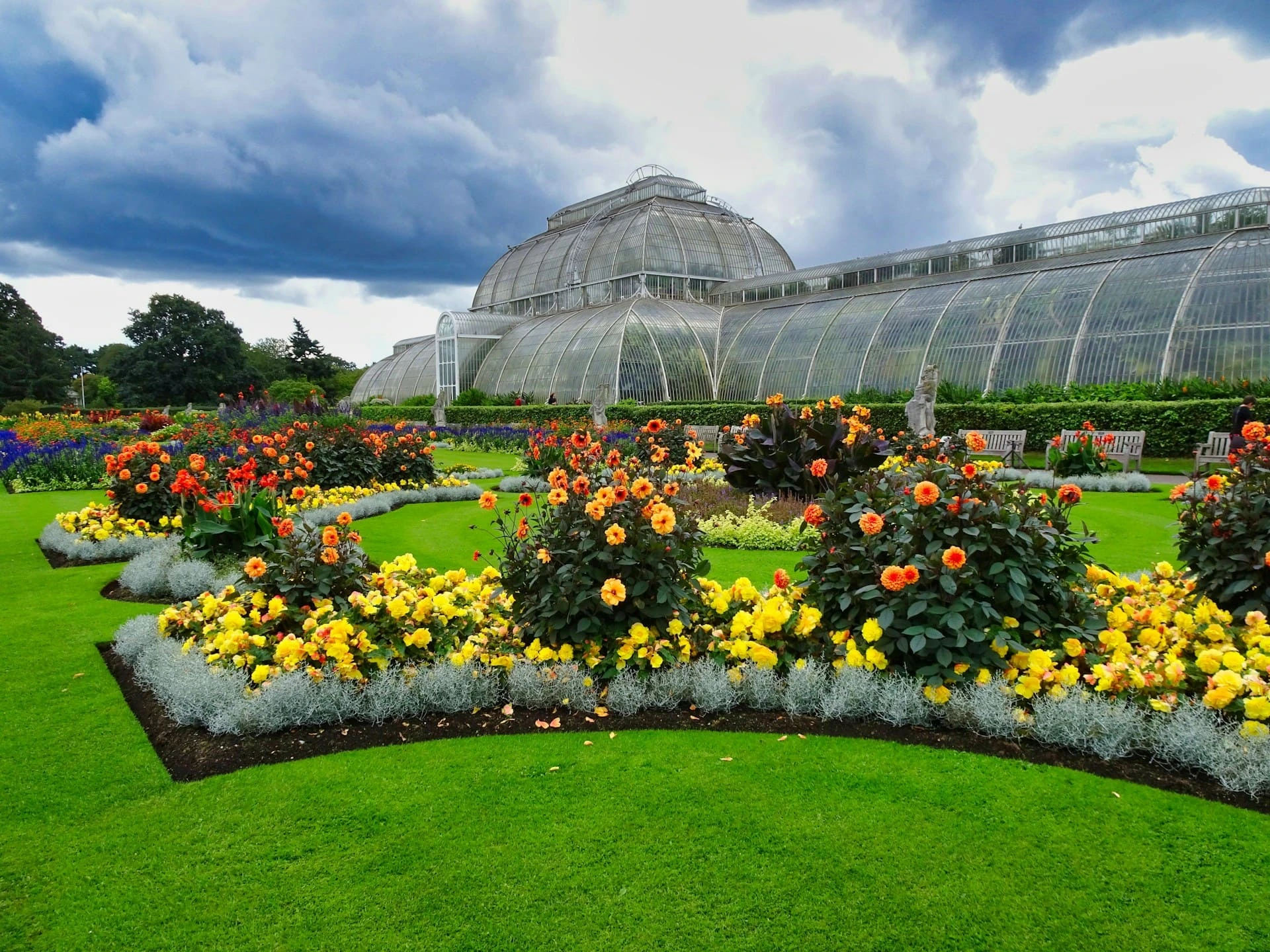
The Royal Botanic Gardens has opened a public fundraising appeal for the Palm House, the Grade I listed Victorian glasshouse that has stood at the heart of Kew Gardens since 1848. The building has been showing serious signs of deterioration for years, something anyone who has walked underneath its ironwork on a hot day may already have noticed. The humidity that keeps its tropical collection alive has spent nearly 180 years working against the structure meant to contain it.
The renovation itself is not news. Kew submitted its planning application for the project back in July last year, setting out the ambition to make the Palm House the first net zero heritage glasshouse of its kind, a plan EyeOnLondon covered in detail at the time. What has changed is the money. Kew says it has now secured roughly half of the £66 million the full renovation and its companion Waterlily House will cost, and is turning to the public to close the gap, with donations accepted from £25.
The practical scale of what is being attempted explains why. Around 16,000 glass panes will be removed and replaced with high-performance sealed glazing, much of the existing ironwork will need repair or replacement after decades of rust, and the building’s old gas heating will be swapped for an electrified air and water source heat pump system. None of that can happen with the plants still inside. Kew’s horticulturists have been quietly relocating the Palm House’s collection since spring 2025, and by February 2027 all of it, more than a thousand specimens including that 1773 cycad, will have moved into temporary glasshouses elsewhere on site.
Dame Judi Dench, the Palm House’s official ambassador, has described it as one of Britain’s great wonders and said that funding the renovation means investing in both heritage and the future. David Attenborough has called the plants it holds a unique global rainforest. Their involvement reflects what the building has always represented beyond its own walls, a living collection containing species that are rare, threatened, and in some cases already extinct in the wild.
The sponsorship options Kew has set up are designed to let that sense of ownership scale with whatever someone wants to give. A donation of £25 or more supports the renovation directly. Sponsoring a single pane of glass or a tropical plant species comes with a personalised digital certificate. Further up, £5,000 buys a step on one of the Palm House’s cast iron spiral staircases, and at the top sit just ten available sponsorships of the Queen’s Beasts, the heraldic statues that stand outside the building, available only through direct contact with Kew’s donations team.
Once the plants are gone, the Palm House will stand empty and open to visitors for a period before scaffolding goes up and the structural work begins in earnest. Kew expects the whole process, from first closure to reopening, to run for up to five years. For a building that has only had one major renovation since the 1980s, this appeal is less about restoring something broken than keeping ahead of damage that nearly two centuries of tropical humidity were always going to cause eventually.
For more London arts and culture, visit EyeOnLondon at eye-on-london.com
Follow us on:



Subscribe to our YouTube channel for the latest videos & updates!

We value your thoughts! Share your feedback and help us make EyeOnLondon even better!