Ambulance Service asks 999 patients to help improve emergency care through new feedback survey

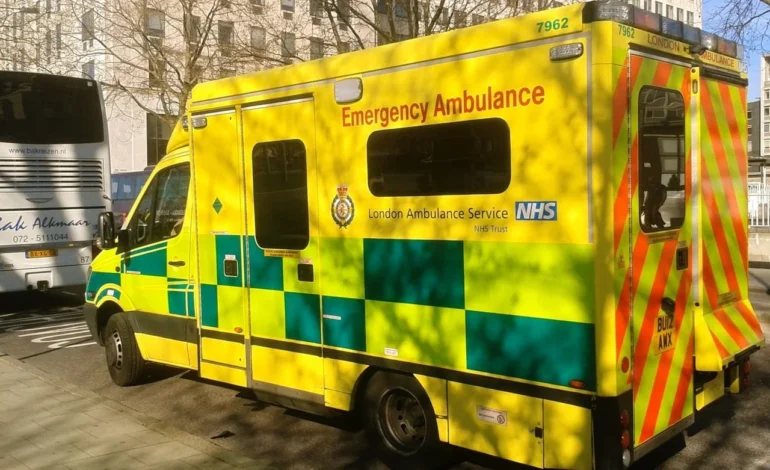
People who have called 999 and received care from London Ambulance Service are being invited to share their experiences as part of a new patient survey designed to help shape future emergency care across the capital. The trust will begin inviting patients to complete a short two-minute 999 Patient Survey, the first initiative of its kind introduced by London Ambulance Service. Click here to take part in the survey.
The survey aims to capture feedback covering every stage of a patient’s experience, from the initial emergency call and any conversations with telephone clinicians through to treatment provided by frontline ambulance crews.
Patients will be asked about several aspects of their care in the 999 Patient Survey, including how quickly they received help, whether they felt involved in decisions about their treatment and how compassionate staff were throughout the process.
To make it easier for people to respond, London Ambulance Service has created a dedicated feedback page on its website that brings together the different ways patients can share their experiences. Patients treated at the scene but not taken to hospital will also receive leaflets containing a QR code linking directly to the survey. The organisation is also working with partner organisations to encourage participation among local communities and key patient groups.
Alongside the survey, London Ambulance Service is strengthening engagement with organisations including Healthwatch, Health and Wellbeing Boards and NHS Integrated Care Boards to gather broader insights into patient experiences.
London Ambulance Service answers around 6,000 emergency 999 calls every day and treats approximately 3,500 patients, either at the scene or through telephone clinical support.
The trust says strengthening patient engagement has become a priority after reviewing its existing approach, while the Government’s NHS 10-Year Plan also calls on NHS organisations to place greater emphasis on learning from patients’ experiences.
Survey responses will also include optional information about where patients live and any disabilities, long-term conditions or other health issues, helping the service identify patterns across different communities and patient groups to support future improvements.
Explore more London news at EyeOnLondon.
Follow us on:



Subscribe to our YouTube channel for the latest videos and updates!

We value your thoughts! Share your feedback and help us make EyeOnLondon even better!