Great white sharks are moving further north as warming seas reshape marine life around the UK

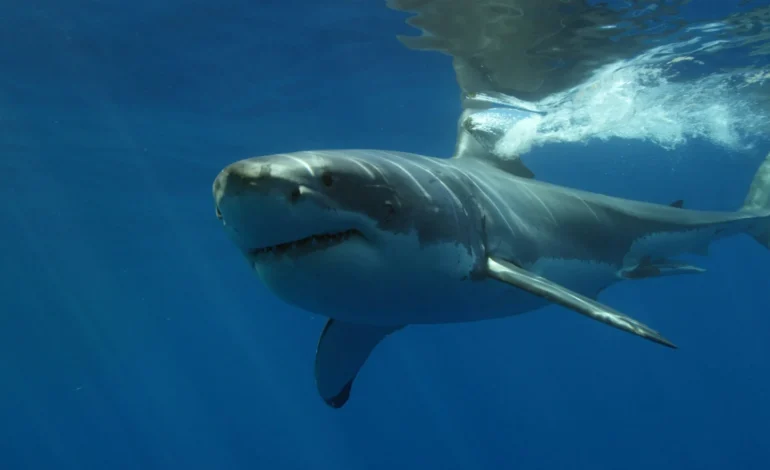
Scientists tracking great white sharks have recorded the predators reaching some of the northernmost waters ever documented, with marine experts warning that climate change is steadily reshaping where many shark species can survive, including around the UK.
Recent tracking data from marine research organisation OCEARCH shows two tagged great white sharks travelling towards the northern tip of Newfoundland on Canada’s Atlantic coast. Researchers say the movement reflects a broader pattern of sharks shifting towards cooler waters as ocean temperatures rise.
The findings have emerged shortly after lifeguards in Jersey temporarily cleared the sea at St Ouen’s Bay following reports of a large shark, estimated to be between 10 and 12 feet long, on 1 August. While the sighting has not been confirmed as a great white, it has renewed interest in which large shark species may occasionally visit British waters.
Each summer, scientists estimate that around 2,000 great white sharks migrate into Atlantic Canadian waters, where recovering seal populations provide an important food source. OCEARCH’s tracking has followed a nine-foot male known as Quint and a 10-foot female called Bella moving through waters near the Strait of Belle Isle.
Marine scientist and shark expert Tom Hird said warmer oceans are gradually pushing many marine species beyond their traditional ranges. As sea temperatures continue to climb, animals that once occupied temperate waters are being forced further towards the poles in search of suitable conditions.
Although great white sharks are rarely reported around Britain, Hird believes that does not necessarily mean they are absent. He argues the species is capable of travelling through UK waters without remaining in one location long enough to be regularly spotted, particularly given the country’s abundant grey seal population and seasonal tuna.
Ironically, he suggests that if warming continues, sightings of great whites around Britain could eventually become less common as the sharks continue migrating north. Instead, warmer-water species, including hammerhead sharks, may begin appearing more frequently in UK seas.
Scientists caution that these shifts should not be viewed as a sign of healthy expansion. Rather, they reflect wildlife being displaced from long-established habitats, creating knock-on effects throughout marine ecosystems. As species move into unfamiliar environments, Arctic wildlife such as narwhals and walruses could face increasing ecological pressure while southern species continue advancing northwards.
Experts also stress that sharks pose a very small risk to people compared with the vital role they play in maintaining healthy oceans. Protecting marine ecosystems, they say, will become increasingly important as climate change continues to alter life beneath the waves.
Follow EyeOnLondon for more reporting on science, climate, and environmental stories affecting London, the UK, and beyond.
Follow us on:



Subscribe to our YouTube channel for the latest videos and updates!

We value your thoughts! Share your feedback and help us make EyeOnLondon even better!