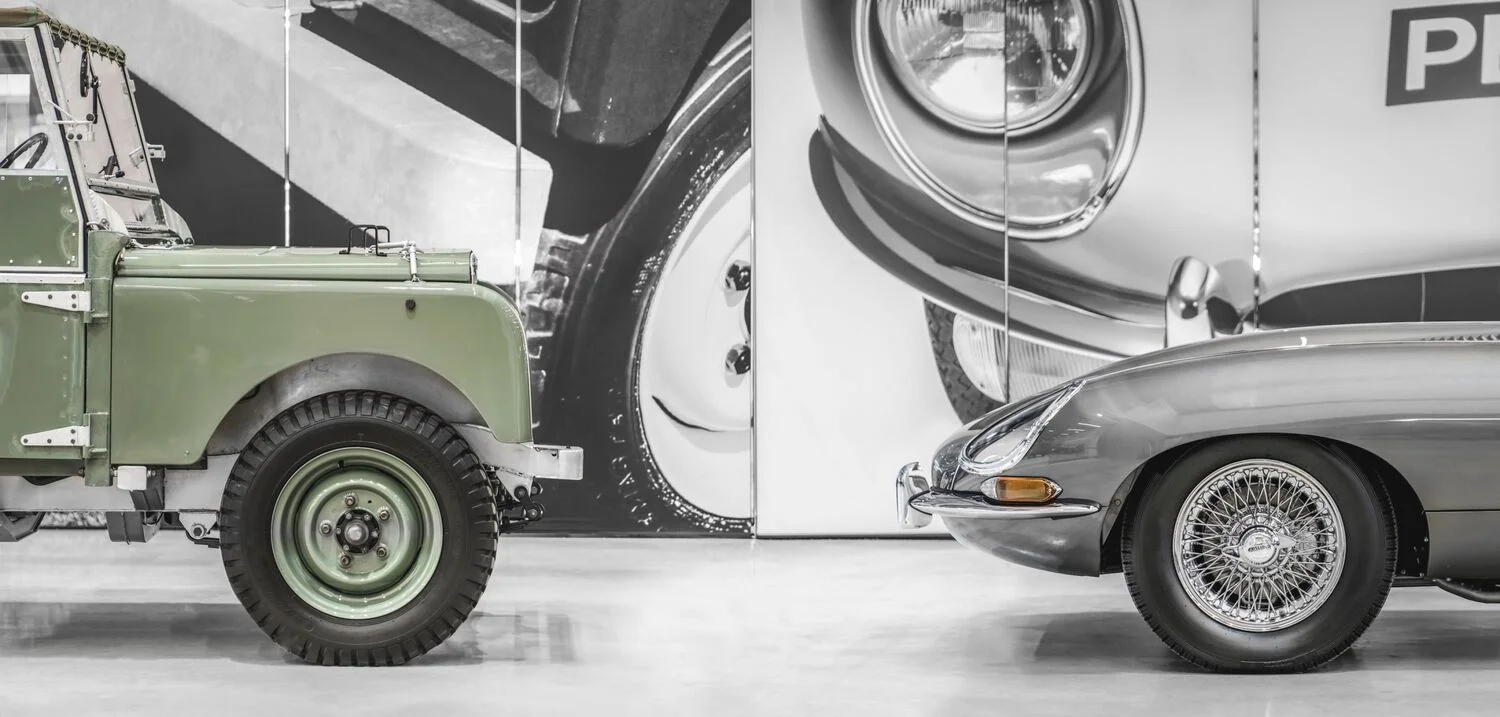
Thousands of older vehicles can now be driven without an annual MOT after the classic car exemption reached cars built before 1 January 1986 in 2026. But a survey of classic car enthusiasts suggests the system is not as universally popular with owners as might be expected.
The rolling 40-year exemption was introduced in May 2018, replacing an earlier rule that covered only vehicles manufactured or first registered before 1960. Under the current system, a vehicle becomes MOT-exempt once it reaches 40 years old, provided it has not undergone substantial changes to its main components during the previous 30 years.
That means some well-known 1980s cars, including the Ferrari 328 and BMW E30 M3, now fall outside the statutory annual testing regime alongside more everyday classics such as the Mk2 Vauxhall Cavalier and Austin Metro. However, research commissioned by Hagerty UK suggests there is considerable uncertainty among enthusiasts about whether exemption is the best approach to roadworthiness.
More than 1,200 people responded to the survey, with around 90 percent saying they currently own a classic vehicle. While 61 percent supported MOT exemption, the issue was far from settled, with 39 percent opposed.
The reasons behind that split are particularly interesting. Some supporters said the modern MOT is poorly suited to a classic car, where tests covering equipment such as ABS warning systems or modern emissions requirements may have little relevance. That does not necessarily mean they believe classic cars should go unchecked.
Indeed, 43 percent of owners with MOT-exempt vehicles said they still have their cars tested every year voluntarily. Among those who do not, 98 percent said they maintain their vehicles to a standard that would allow them to pass an MOT if required.
Safety remains a concern, however. More than half of respondents believed exemption could make it easier for unroadworthy cars to be used, while 69 percent thought it increased the likelihood of an unroadworthy exempt vehicle being on the road.
The survey points towards a possible compromise: a test designed specifically for historic vehicles. Some 64 percent said they would welcome a classic-specific MOT, with respondents arguing that inspectors need appropriate knowledge of older mechanical systems and that the criteria should reflect the technology and construction of historic cars.
The Historic & Classic Vehicles Alliance has also backed the idea of specialist roadworthiness inspections, particularly when vehicles return to the road after storage, restoration or significant mechanical work.
The debate therefore appears to be moving beyond a simple question of whether classics should have an MOT. For many owners, the bigger question is whether older cars need a different kind of safety inspection, one that recognises their age without removing roadworthiness from the equation.
For more, visit EyeOnLondon at eye-on-london.com
Follow us on:



Subscribe to our YouTube channel for the latest videos and updates!

We value your thoughts! Share your feedback and help us make EyeOnLondon even better!