Zimbabwe had only four named dinosaurs. A Natural History Museum scientist has found the fifth

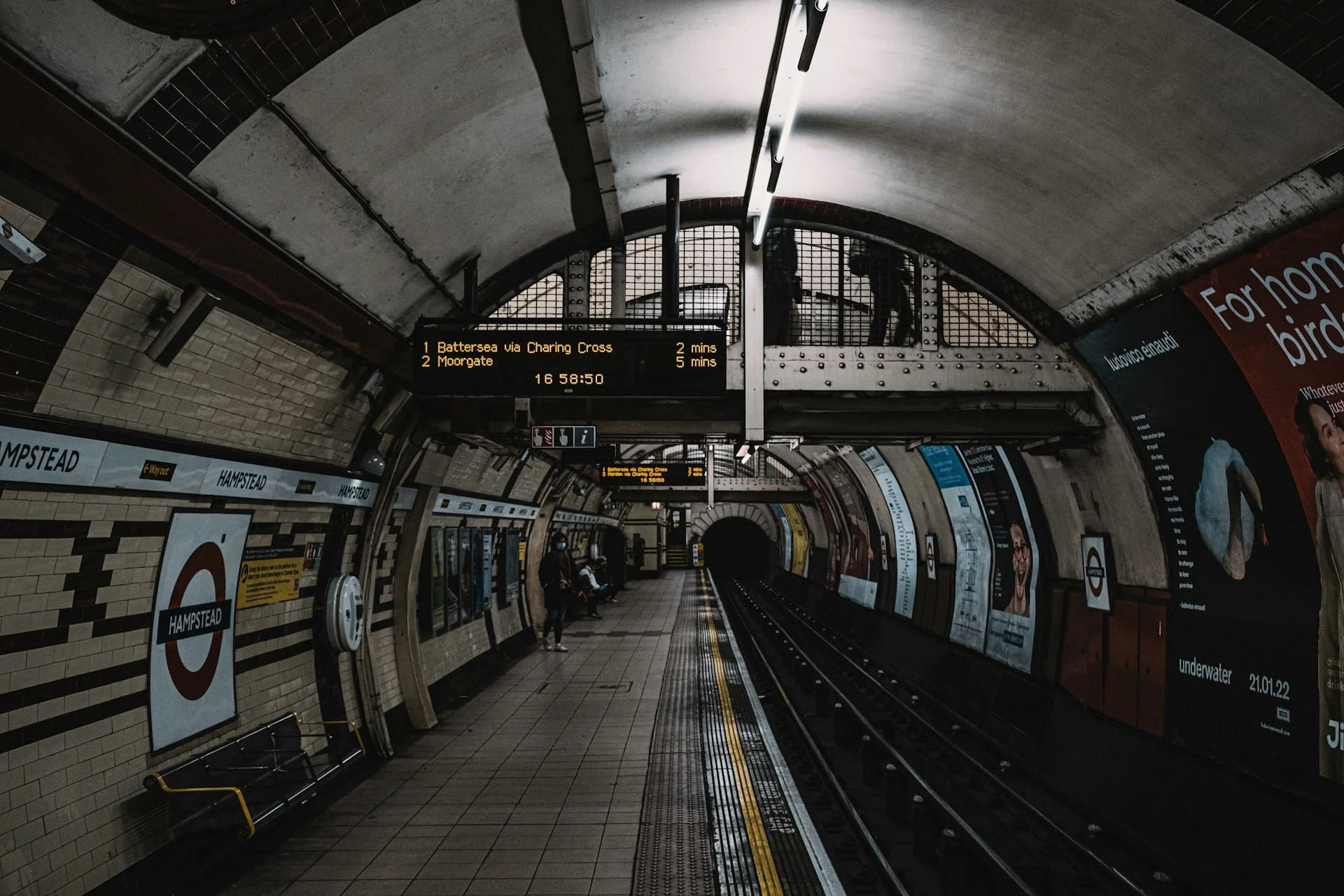
Zimbabwe has produced fossils for more than a century, yet until this summer, the country had only ever had four dinosaurs named after it. The first, in 1969, was a small, sharp-toothed predator once called Syntarsus. The second followed in 1972. The third arrived in 2022. The fourth, a basal sauropod relative named Musankwa sanyatiensis, was described in 2024 from little more than a single hind leg, dug out of the shoreline of Lake Kariba. Musango matusadonaensis is the fifth, and it was named this summer by a team that includes a Natural History Museum researcher who works two miles from the Gloucester Road tube station in South Kensington.
Most of the world’s known dinosaur fossils come from just ten countries, nearly all of them in the northern hemisphere, and Zimbabwe, despite sitting on rock formations that have produced dinosaurs since the Late Triassic, has barely been searched by comparison. Professor Paul Barrett, the Natural History Museum’s lead author on the new find, has spent the past decade trying to close that gap, and Musango is the clearest sign yet of what has been missing from the record.
The dinosaur was found on the shore of Lake Kariba, one of the largest artificial lakes on Earth, in rock belonging to the Pebbly Arkose Formation. It lived in the Late Triassic, around 210 million years ago, at a moment when dinosaurs were still a minor part of life on land rather than its dominant force. Musango was a sauropodomorph, an early relative of the giant long-necked dinosaurs such as Diplodocus that would not evolve for millions of years. Unlike its descendants, it walked on two legs, stood roughly the length of a car at 4.5 metres, and weighed an estimated 222 kilogrammes, close to a fully grown pig.
Getting to it required a method that has little to do with the usual image of fossil hunting in dusty badlands. Lake Kariba sits inside one of Zimbabwe’s national parks, shared with elephants, hippos and crocodile-like phytosaur relatives whose fossils turn up in the same rock. Rather than hiking or driving into the site, the international team of Zimbabwean, South African and British palaeontologists ran their 2017 and 2018 field seasons from a boat, staying mobile along the shoreline while keeping clear of the wildlife on land. Barrett has called it one of the most exciting digs of his career, precisely because the team had no idea in advance what the rock might hold.
What they found was unusually complete for a dinosaur of this age. Bones survive from Musango’s spine, ribs, arms, legs and feet, though the skull is still missing, so its exact diet remains uncertain beyond a likely herbivorous or omnivorous habit. Analysis of the bones suggests the animal was around eight years old and close to full size when it died, and that it had already survived a serious infection or injury earlier in its life. It would have grazed on plants along ancient rivers and streams, sharing that landscape with lungfish, phytosaurs and Musankwa, the sauropodomorph named from the same rocks two years earlier.
That overlap is the finding Barrett considers most significant, more than the animal itself. Musango and Musankwa turn out to be each other’s closest relatives, part of a small dinosaur group called Unaysauridae that also appears in India and South America, the other pieces of the ancient supercontinent Gondwana. Their coexistence in the same ecosystem argues against an assumption that has held for decades: that dinosaur communities across southern Africa during the Late Triassic were broadly interchangeable.
The Late Triassic was not a single stage set, but several, each with its own cast, and the period would end, not long after Musango died, in one of the five great extinctions in the planet’s history. Understanding how the dinosaurs that survived that boundary went from a marginal presence in the Triassic to Earth’s dominant land animals through the Jurassic and Cretaceous remains one of palaeontology’s open questions, and Barrett argues that regions like Zimbabwe, chronically under-studied next to Europe and North America, are where the missing evidence is most likely to sit.
The fossils themselves were prepared at the Evolutionary Studies Institute in Johannesburg before being returned to the Natural History Museum of Zimbabwe, which now holds all five dinosaurs ever named from the country. The research describing Musango was published in the Journal of Systematic Palaeontology, under the title “A new sauropodomorph dinosaur from the Pebbly Arkose Formation (Upper Triassic: Norian) of Kariba, Zimbabwe.” Its name comes from ChiShona, the language of the people who live around where it was found: Musango means living in the bush, a reference to the remoteness of the site, while matusadonaensis takes its name from the neighbouring Matusadona National Park.
Zimbabwe’s rock has barely been searched, and Barrett says a second new species is already waiting to be described. EyeOnLondon will be watching South Kensington for whatever comes out of Lake Kariba next.
For more, visit EyeOnLondon at eye-on-london.com
Follow us on:



Subscribe to our YouTube channel for the latest videos and updates!

We value your thoughts! Share your feedback and help us make EyeOnLondon even better!