Lead in Ink Could Help Reveal Lost Herculaneum Library

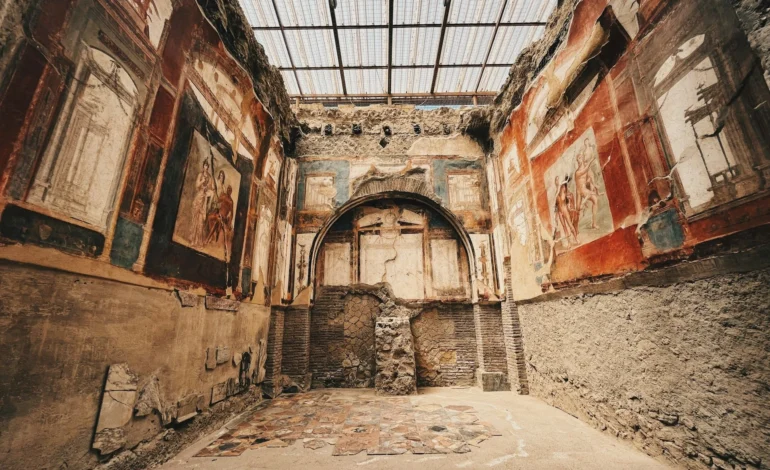
Nearly 2,000 years after Mount Vesuvius buried the Roman town of Herculaneum, researchers have found a promising way to identify ancient writing still trapped inside its fragile, carbonised scrolls.
The discovery centres on lead. A team led by Douglas Seiler, an affiliate of the University of California, Berkeley, recreated a damaged papyrus scroll in the laboratory, added lead to its ink and subjected it to high temperatures before scanning it with X-ray tomography. The resulting study was published in PLOS ONE on 16 September 2026.
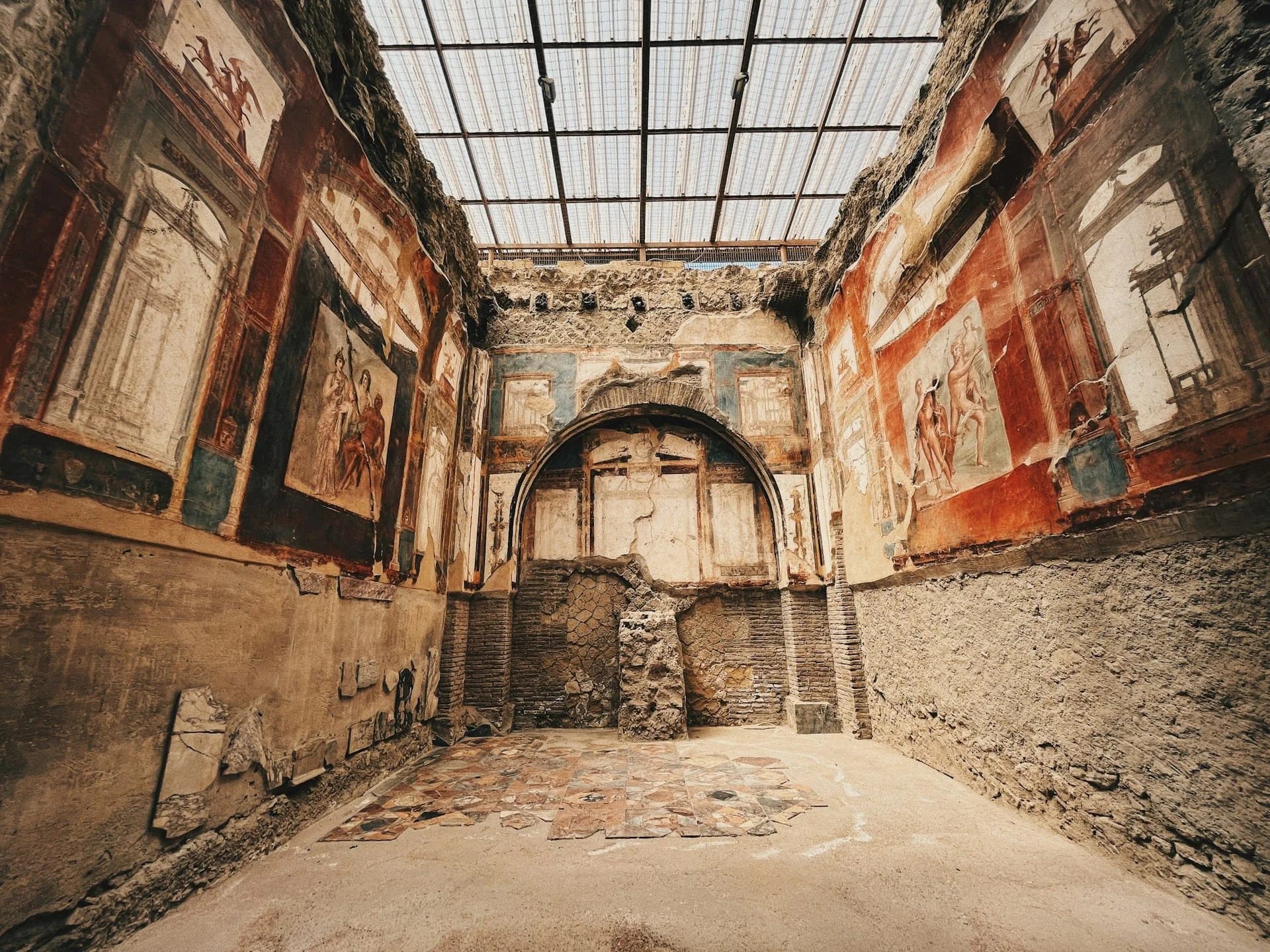
The Herculaneum scrolls are part of the extraordinary library discovered in the Villa of the Papyri after the eruption of AD 79. More than 1,000 papyrus scrolls were carbonised by the intense heat and subsequently preserved, but their transformation into brittle blackened material made them extremely difficult to read. Attempts to physically open some scrolls in the 18th century caused severe damage, making non-invasive methods essential.
Modern X-ray scanning and virtual unrolling have already allowed researchers to recover portions of previously hidden texts. The difficulty is that conventional CT imaging can struggle to distinguish carbon-based ink from carbonised papyrus. The new research suggests that lead provides a much clearer signal because it absorbs X-rays far more strongly than the surrounding material.
To test the idea, the researchers used modern Egyptian papyrus and recreated a scroll with lead-containing ink before carbonising it. X-ray tomography detected the lettering, while a handheld X-ray fluorescence device could identify lead in the finished scroll. The team was then able to virtually unwrap the model and recover words from its hidden surface.
The finding does not mean every Herculaneum scroll can now be read. Not all ancient inks contained lead, and the experiment used a modern reconstruction. However, screening genuine scrolls for lead could help researchers identify those most likely to respond to advanced imaging.
For a library containing texts that have remained inaccessible since the Roman world, that could provide another route towards recovering works of ancient literature and philosophy that have otherwise disappeared from history.
For more, visit EyeOnLondon at eye-on-london.com
Follow us on:



Subscribe to our YouTube channel for the latest videos & updates!

We value your thoughts! Share your feedback and help us make EyeOnLondon even better!