Vesper bats reveal unusual antibody system that may explain virus tolerance

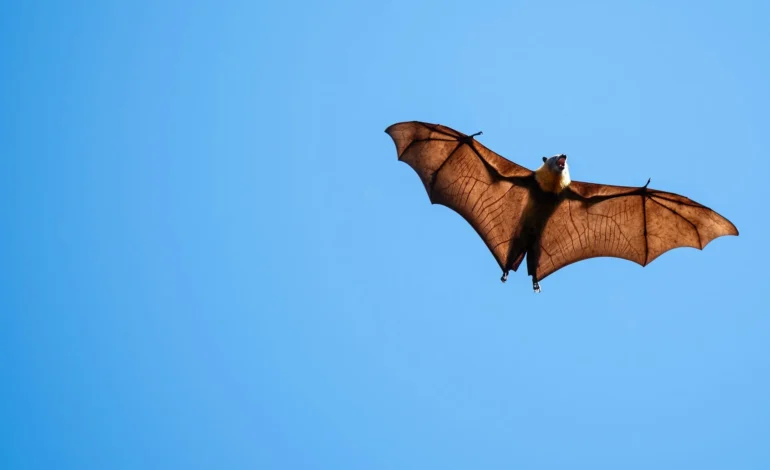
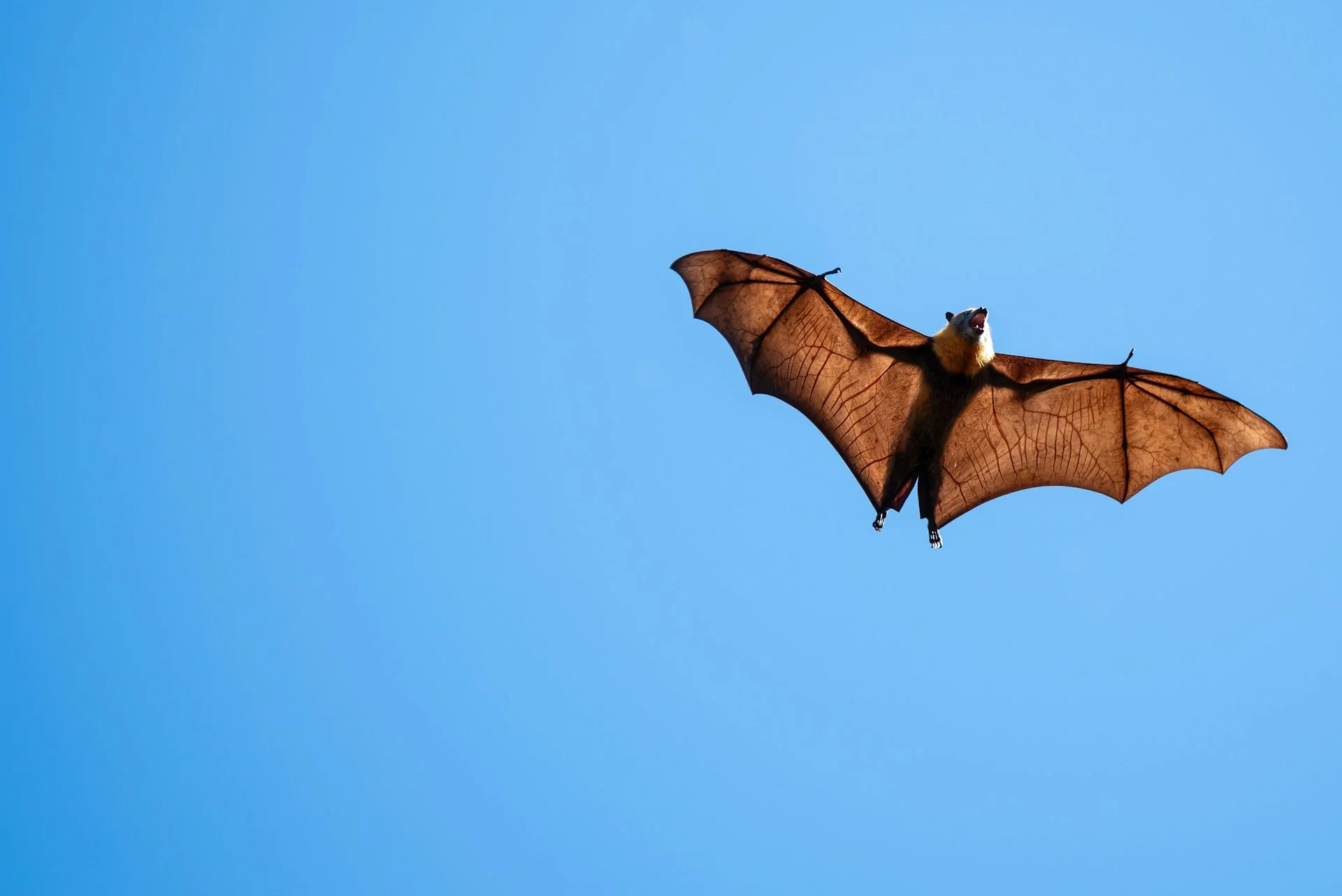
Bats can carry viruses that are dangerous to other animals while often showing little sign of illness themselves. New research suggests their unusual immune systems may offer part of the explanation. Scientists from Tulane University, working with researchers at Stanford University and the US Centers for Disease Control and Prevention (CDC), have discovered an antibody system in vesper bats that has not previously been found in mammals.
The study, published in Science Advances, found that vesper bats possess two separate sets of genes involved in producing antibody heavy chains. Other known mammals, including humans, have only one such set.
Antibodies are proteins made by the adaptive immune system to recognise and respond to infections. They are built from two heavy chains and two light chains, with the heavy chains playing an important role in determining how antibodies interact with potential threats.
The researchers found that vesper bats have a second heavy-chain gene system, potentially giving their immune systems additional ways to produce antibodies.
The group is particularly interesting because it contains more than 500 species found on every continent except Antarctica. They are also known to host a wide range of viruses, including some capable of causing severe disease in other species.
Much previous research into bat immunity has concentrated on the innate immune system, which provides an immediate response to threats. The new findings point towards the adaptive immune system as another important part of understanding how bats coexist with infections.
The discovery does not mean bats are immune to viruses, nor does it establish that their unusual antibody system directly prevents disease. Instead, it provides scientists with a new biological mechanism to investigate as they try to understand bat immunity and its evolution.
Bats are also important to ecosystems, acting as pollinators, dispersing seeds, and helping control insect populations. Understanding their relationship with viruses could therefore have implications beyond the animals themselves, including research into how infections move between species.
For more, visit EyeOnLondon at eye-on-london.com
Follow us on:



Subscribe to our YouTube channel for the latest videos and updates!

We value your thoughts! Share your feedback and help us make EyeOnLondon even better!