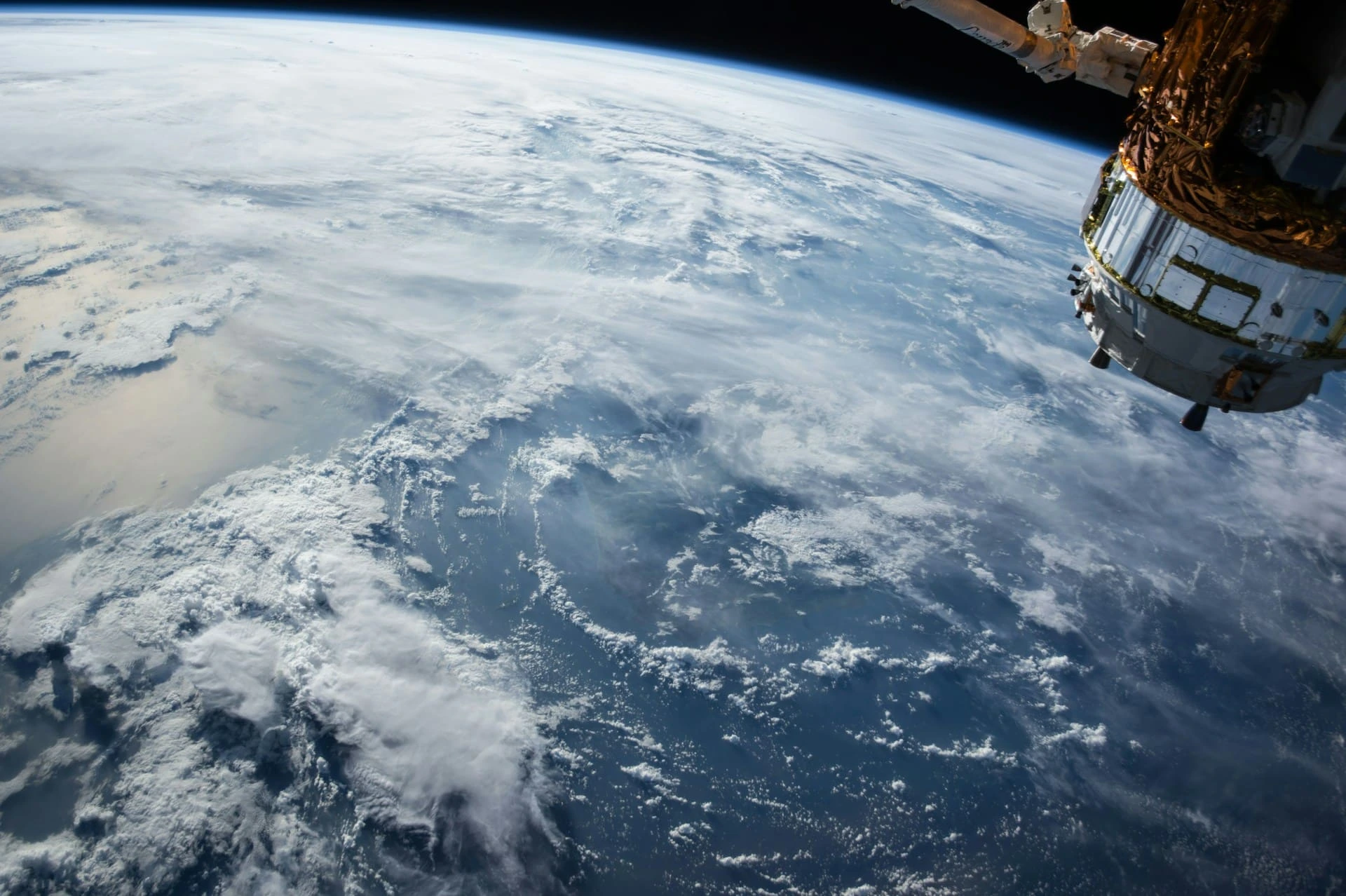
NASA study finds Earth centre shifts as water and air move around the planet


The centre of mass of the Earth shifts by several millimetres as seasonal changes redistribute water, ice, and air around the planet, according to new research led by NASA’s Jet Propulsion Laboratory (JPL). The findings offer a more precise way to measure these movements, improving the reference systems used for satellite navigation, mapping, and measurements of Earth’s surface.
Published in Geophysical Journal International in September 2026, the study was led by JPL geoscientist Donald Argus. His team developed a method combining satellite laser measurements, GPS tracking, and orbital data from satellites in low Earth orbit to estimate the changing position of Earth’s centre of mass relative to its geometric centre.
Previous estimates have differed by 7 millimetres, a discrepancy almost as large as the movement scientists are trying to measure. The new approach also accounts for the way changing loads of water and ice deform Earth’s crust, causing tracking stations on the ground to move slightly.
The research identifies several seasonal patterns behind the shifts in the centre of mass of the Earth. In March, accumulated snow across North America and Eurasia moves the centre of mass about 3 millimetres towards the North Pole. A month later, the Amazon River basin holds around 2,400 gigatons of rainwater, shifting the balance 2.2 millimetres towards South America.
The oceans contribute another major influence. Between August and October, rainfall and meltwater increase ocean mass, with the vast Pacific playing a particularly important role. Seasonal changes in atmospheric pressure and density also affect the balance, as cold, dense winter air accumulates over different regions throughout the year.
The team compared its calculations with observations from NASA’s Gravity Recovery and Climate Experiment Follow-On (GRACE-FO), a joint mission with Germany’s Research Centre for Geosciences. Launched in 2018, its two satellites measure changes in Earth’s gravitational field by detecting minute variations in the distance between them as they orbit.
Accurately locating Earth’s centre of mass is essential because it provides a reference for measuring positions on the ground and in space. Even tiny errors can affect the precision of satellite-based systems used in shipping, agriculture, and global mapping.
NASA and its partners are preparing to extend this research through the GRACE-Continuity mission, which is targeting a launch in late 2028. It is intended to continue a long-running record of how water and other mass move around Earth.
For more, visit EyeOnLondon at eye-on-london.com
Follow us on:



Subscribe to our YouTube channel for the latest videos & updates!

We value your thoughts! Share your feedback and help us make EyeOnLondon even better!