Summer’s End, Festivals Too?

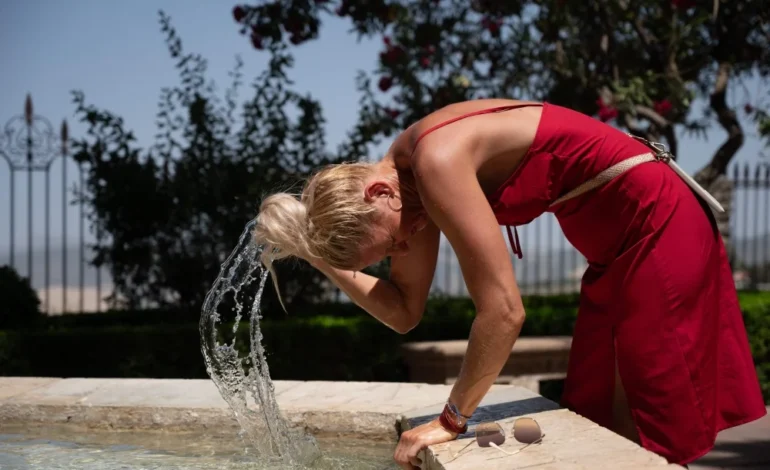
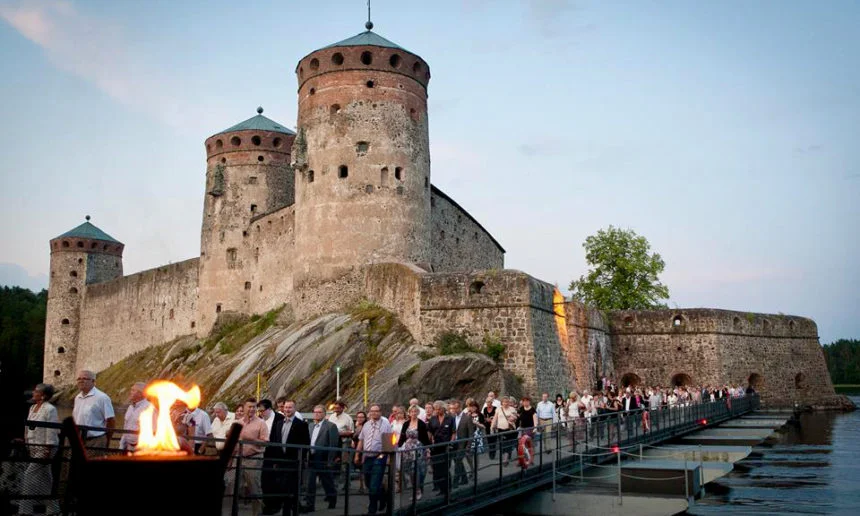
With venues across Europe starting their main seasons, the summer festival period is truly over. Glyndebourne and Garsington’s gardens can start recovering from drought and trampling and festival directors can head off on holiday before the next programme cycle begins. The heat, though, the heat! Your correspondent only managed to get to two out of five festivals for which coverage was planned, both in the far north. Late June in Orkney for the St. Magnus Festival and late July for the Savonlinna Opera Festival in Eastern Finland were perfect, with the sort of balmy sunshine and mid 20s warmth we used to associate with Sussex.
In Southern Europe the festival season runs from June to mid September too. Local audiences are used to sweltering until late in the evening. Performance times take account of this, with opera and concerts in Italy and Spain often getting under way after 9pm. Even so, for singers donning full make-up and costumes under lights, the experience is similar to that of a Formula 1 racing driver. How they deliver faultlessly, with all the extra strain on breathing, is awe inspiring. Sports contestants would be fighting their way to the ice baths. String players, especially those using period instrument non-steel strings, find their instruments warping and the strings slipping, with sweaty fingers making keeping in tune even harder.
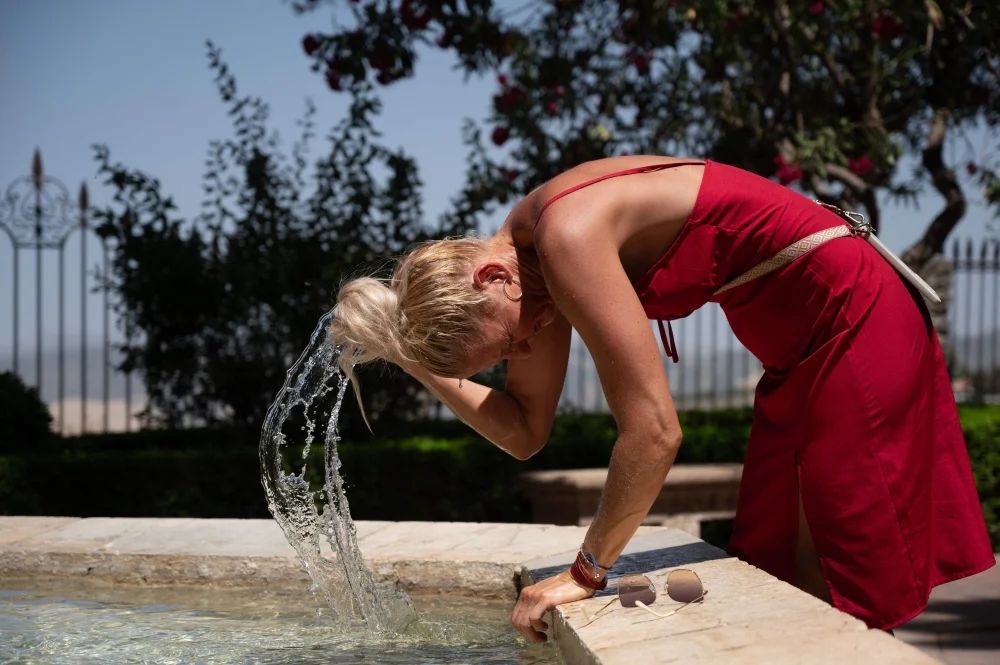
None of this is particularly new. What is new is the duration and intensity of the heat this summer, combined with the instance of vast wildfires. Climate change is now bringing Saharan weather to most of mainland Europe from below a line roughly between London and Prague. Festivals that used to be attractive now feel like more of a physical endurance test.
August events now seem unappealing. By then the vegetation was dangerously dry and temperatures had been over thirty degrees for weeks. From Savonlinna I had intended to visit the beautiful festival of early music, directed by the great Dutch scholar Ton Koopman, in mediaeval and baroque venues in the Perigord region, north east of Bordeaux. By the opening night the wild fires were only fifty miles away and staying in Bordeaux itself afterwards was not an option. In fact the festival went ahead without problems but by then I had cancelled. The risks, not only from lingering smoke but also the financial implications of rebooking hotels and travel, were too great.
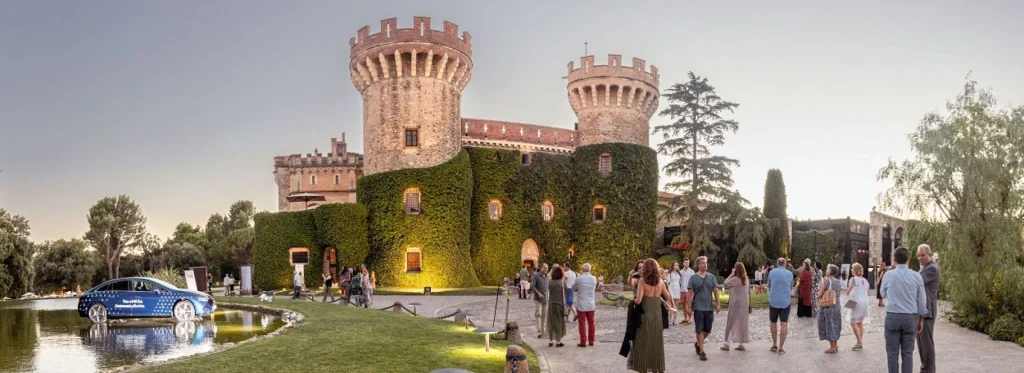
The following couple of weeks were meant to be spent at Perelada, a village a few miles in from the coast of the Costa Brava, which hosts an eclectic mix of concerts and dance in its festival (as I have featured in EOL in previous years). One of its attractions for me this year was the chance to spend time watching another great of the early music scene in his eighties, Jordi Savall, rehearse and perform there, before travelling on to Savall’s own festival held in monasteries and other gorgeous settings in the hills above Barcelona. For Catalans the temperatures in the thirties were too warm but just in their range. Not mine. Again, I baulked.
For festivals across the eastern Mediterranean, like Dubrovnik, Athens-Epidaurus and Ravenna, the task of attracting visitors from the North is only going to get harder. Arts festival goers are unlikely to be the same as those who just want to fry on beaches. They are likely to be older, wary of debilitating heat and smog, and unwilling to spend large amounts of money being uncomfortable, however good the performances.
Shifting festivals will not be easy. Many will resist because of tradition or contracts already in place. Nonetheless it will be interesting to see if there is a trend before the end of the decade for those taking place in May and September to start pulling more of those older northern audiences away from stifling July and roasting August. At least the Royal Albert Hall has air conditioning these days!
Watch which festivals actually move their dates before 2030, because EyeOnLondon will be tracking whether May and September start pulling the older northern crowd away from July’s furnace.
For more London arts and culture, visit EyeOnLondon at eye-on-london.com.
[ImageCredit | AFP]
Follow us on:



Subscribe to our YouTube channel for the latest videos and updates!

We value your thoughts! Share your feedback and help us make EyeOnLondon even better!