Thousands of seagrass shoots planted as Thames Estuary restoration project begins

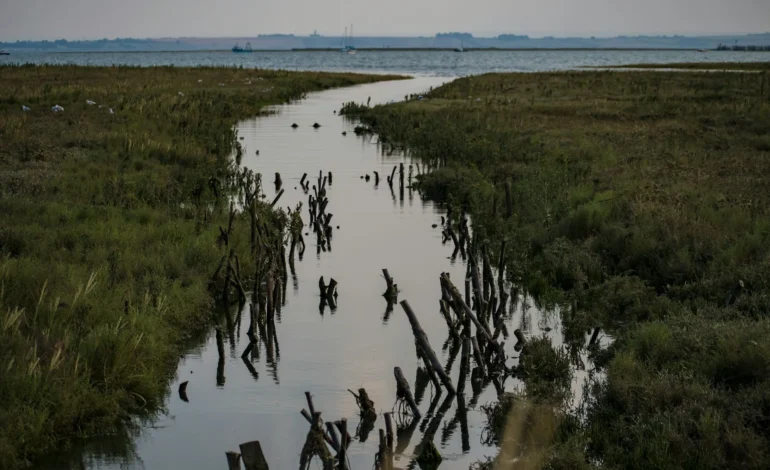
A major restoration project has begun in the Thames Estuary after conservationists planted thousands of seagrass shoots in a bid to improve wildlife habitats, strengthen coastal resilience and help tackle the effects of climate change.
The work, led by ZSL (Zoological Society of London), marks the first stage of its Transforming the Thames programme, a five-year partnership bringing together 20 organisations to restore habitats across one of the UK’s most important estuaries.
During a week-long operation, conservationists collected nearly 1,000 cylindrical seagrass cores from an existing meadow near Leigh-on-Sea in Essex. Each core contained multiple shoots of dwarf eelgrass, which were then carefully transplanted into mudflats at Egypt Bay in Kent.
The planting is one of the largest UK restoration projects to use this method and is expected to establish a new seagrass meadow that could eventually cover an area of at least one and a half football pitches.
Seagrass meadows play an important role in coastal ecosystems. They provide nursery habitats for fish, food for birds and shelter for a wide range of marine invertebrates. Healthy seagrass can also help reduce coastal erosion and flooding by stabilising sediment and absorbing wave energy.
According to ZSL, the UK has lost up to 44% of its seagrass since 1936. Pollution, declining water quality and disturbance have contributed to the loss of these habitats, affecting both wildlife and the resilience of coastal communities.
The newly planted seagrass was moved from healthy meadows already growing within the Thames Estuary, allowing conservationists to expand existing habitat using locally adapted plants.
Working conditions presented their own challenges. The planting could only take place during periods of low tide, giving the team a limited window before the mudflats were submerged again. Conservationists and volunteers used specially designed wooden mudshoes to move safely across the soft ground, while a hovercraft transported equipment and personnel across the exposed estuary.
The seagrass project forms part of a much wider programme to restore habitats throughout the Greater Thames Estuary.
Over the coming years, the Transforming the Thames partnership plans to restore around 450 football pitches of key coastal habitats, including native oyster beds, saltmarshes, coastal grazing marsh, saline lagoons, sand and shingle nesting areas, alongside additional seagrass meadows.
The long-term ambition is to improve the health of the estuary by 2030 while creating lasting benefits for wildlife and the millions of people who live along the Thames.
The project also aims to tackle some of the pressures affecting existing habitats, including pollution, while working with local communities and businesses to support wider environmental recovery across the region.
Follow EyeOnLondon for more updates on London’s wildlife, conservation projects, and environmental news.
Follow us on:



Subscribe to our YouTube channel for the latest videos and updates!

We value your thoughts! Share your feedback and help us make EyeOnLondon even better!