London launches first Heat Ready London plan to prepare for more frequent heatwaves

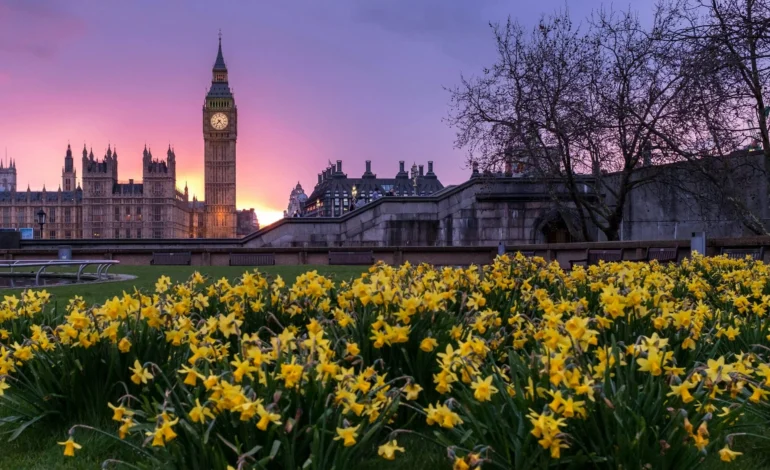
London has unveiled its first dedicated strategy to prepare for more frequent and severe heatwaves as the capital faces another period of extreme temperatures. Mayor Sadiq Khan launched Heat Ready London during London Climate Action Week as forecasts suggested temperatures could reach 40C and a Red Heat-Health Alert was issued, highlighting the growing risks posed by hotter summers.
London is considered the UK city most exposed to extreme heat, and earlier this year recorded a new May temperature record of 35.1C. Scientists also warn that this latest period of unusually high temperatures, combined with warm nights and humidity, could have an even greater impact on health than the July 2022 heatwave.
The Heat Ready London report says around one million homes across the capital are already at high risk of overheating. It also identifies 1,361 schools, 60 hospitals and 351 care homes in high-risk areas, warning London could experience between two and three times as many heatwaves within the next 20 years.
Supporting research estimates London’s 2022 heatwaves cost the city around £1.5 billion through pressures on healthcare, emergency services, transport, education, energy use, wildfires and lost productivity. During a typical summer, extreme heat contributes to nearly 4,000 additional hospital attendances in London and an estimated 300 preventable deaths.
The strategy builds on measures already introduced through the London Plan, which requires many new developments to include features such as shading, improved ventilation and building designs that reduce overheating without relying heavily on air conditioning.
Heat Ready London identifies 37 priority areas for action, including expanding public drinking water and cooling spaces, retrofitting homes most at risk of overheating, increasing tree cover, improving access to waterways for recreation, strengthening health services during heat events and improving the resilience of London’s transport infrastructure.
Transport for London is also continuing work to adapt the network. More than 190 Tube trains, covering around 40 per cent of the Underground network, are now air conditioned, alongside all Elizabeth line and London Overground trains. The Mayor has also funded the planting of more than 640,000 trees since 2016 to provide additional shade across the capital.
How is extreme heat affecting your area of London? Share your experience of coping with hotter summers and the changes you think would help keep the city safer. Explore more reporting on London weather, climate and environmental policy at EyeOnLondon.
Follow us on:



Subscribe to our YouTube channel for the latest videos and updates!

We value your thoughts! Share your feedback and help us make EyeOnLondon even better!