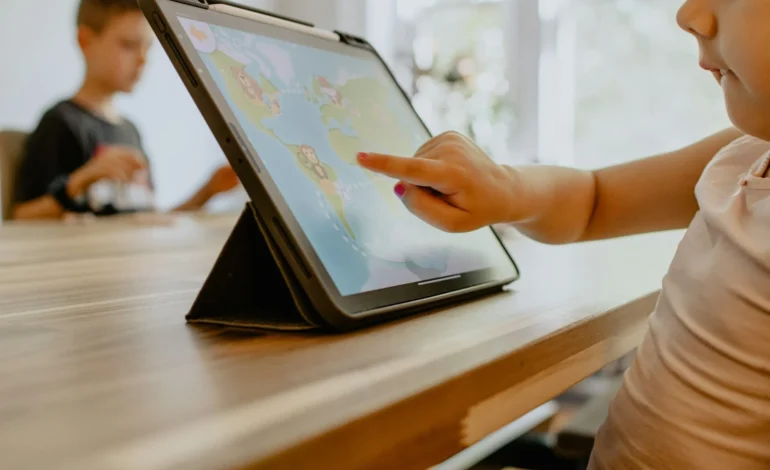
Parents should avoid giving regular screen time to babies and toddlers under the age of two, according to a major UK-led review that says early exposure to digital devices may have lasting effects on children’s health and development.
The research, led by academics from the Universities of Leeds, Leeds Trinity, Loughborough and Aston, is described as the most comprehensive review of global evidence on the subject to date. The findings have prompted researchers to call for government guidance to be reviewed and for greater support to help families manage screen use during a child’s earliest years.
The review found that regular intentional screen use before the age of two is associated with a range of potential developmental concerns. These include fewer opportunities for parent-child bonding, reduced physical play, slower language development, disrupted sleep, overstimulation, possible effects on eye health and an increased risk of childhood obesity.
Researchers also raised concerns that babies may increasingly rely on smartphones, tablets and other devices for comfort instead of seeking reassurance from parents or carers.
Rafe Clayton, senior lecturer in media and communication at the University of Leeds and co-leader of the study, said many parents are unintentionally encouraging unhealthy relationships with digital devices because they have received little guidance about their own screen habits.
The review did not conclude that screen use directly causes specific developmental conditions. However, the researchers said the current evidence supports one clear recommendation: babies under two should not receive regular intentional screen time, arguing there is no meaningful developmental benefit while potential risks remain.
The team is also calling for a dedicated “baby screen-time risk assessment” so professionals can identify families who may need additional support where developmental concerns are emerging.
Professor Carmen Clayton, co-lead of the research at Leeds Trinity University, said future government action should help parents discuss screen use without fear of being judged.
The findings also prompted renewed debate over the government’s guidance for children under five. While current advice recommends avoiding screen time for under-twos, it allows limited shared activities such as video calls and supported learning. Researchers argue this wording could be misunderstood as suggesting regular screen use is safe.
For parents seeking further advice, the Department for Education says its guidance is intended to support, rather than replace, parental judgement.
Read more EyeOnLondon coverage exploring how technology is shaping children’s lives, education and family wellbeing.
Follow us on:



Subscribe to our YouTube channel for the latest videos and updates!

We value your thoughts! Share your feedback and help us make EyeOnLondon even better!