Rare meteorite that wiped out the dinosaurs identified in new extinction study

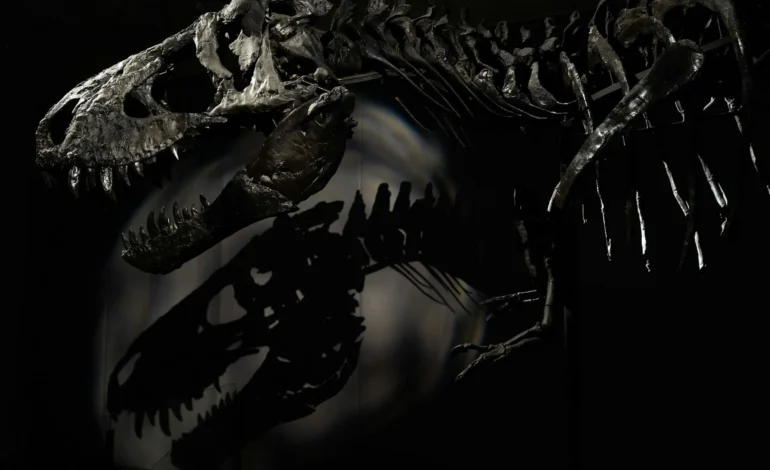
Scientists believe they have identified the rare type of meteorite responsible for the asteroid impact that ended the reign of the dinosaurs 66 million years ago.
The research, led by scientists from the University of British Columbia (UBC) alongside collaborators in Paris, Brussels, and Vienna, concludes that the object which struck Earth was most likely a CO chondrite, one of the rarest classes of carbonaceous meteorites ever found. The findings have been published in Science Advances.
The impact is widely recognised as the event that triggered the Cretaceous-Paleogene mass extinction, eliminating around 75% of all species on Earth, including every non-avian dinosaur.
To identify the impactor, researchers examined nickel isotope signatures preserved within the thin global clay layer left behind after the collision. Although almost the entire meteorite vaporised on impact, tiny chemical traces remained embedded in sediments deposited worldwide.
Those isotope measurements allowed scientists to narrow the object down to a CO chondrite, an exceptionally uncommon meteorite believed to preserve some of the Solar System’s oldest material.
The discovery could also change how researchers understand the extinction itself.
Previous theories suggested sulfur released by the impactor played a major role in cooling the planet and disrupting Earth’s climate. However, CO chondrites contain comparatively little sulfur, leading researchers to conclude that fine dust and debris blasted high into the atmosphere may have been the more significant cause of the environmental collapse that followed.
Scientists say the meteorite probably originated either in the outer regions of the asteroid belt near Jupiter or from even farther out in the Solar System. Carbonaceous chondrites make up only a small proportion of meteorites found on Earth, while the CO subgroup represents an even rarer fraction of those discoveries.
The asteroid is estimated to have measured between 10 and 15 kilometres across before striking Earth at approximately 64,000 kilometres per hour. The collision carved out the vast Chicxulub crater, now buried beneath Mexico’s Yucatán Peninsula, and remains one of the most significant events in Earth’s geological history.
Researchers say identifying the meteorite responsible offers new insight into both the origins of the impactor and the processes that reshaped life on Earth after the extinction event.
Read more science and space discoveries from around the world at EyeOnLondon.
Follow us on:



Subscribe to our YouTube channel for the latest videos and updates!

We value your thoughts! Share your feedback and help us make EyeOnLondon even better!