Birch Tar’s Antibacterial Properties Offer Clues to Neanderthal Medicine


A sticky substance used by prehistoric people to attach stone tools to wooden handles may also have helped protect wounds from bacterial infection, according to research published in PLOS ONE. Scientists recreated ancient methods of producing birch tar and found that every sample they tested inhibited the growth of Staphylococcus aureus, a bacterium associated with wound infections. The results suggest that this material, long recognised for its role in toolmaking, may also have had medicinal potential.
The study, titled Antibacterial properties of experimentally produced birch tar and its medicinal affordances in the Pleistocene, was conducted by researchers from the University of Cologne, the University of Oxford, the University of Liège, and Cape Breton University in Canada.
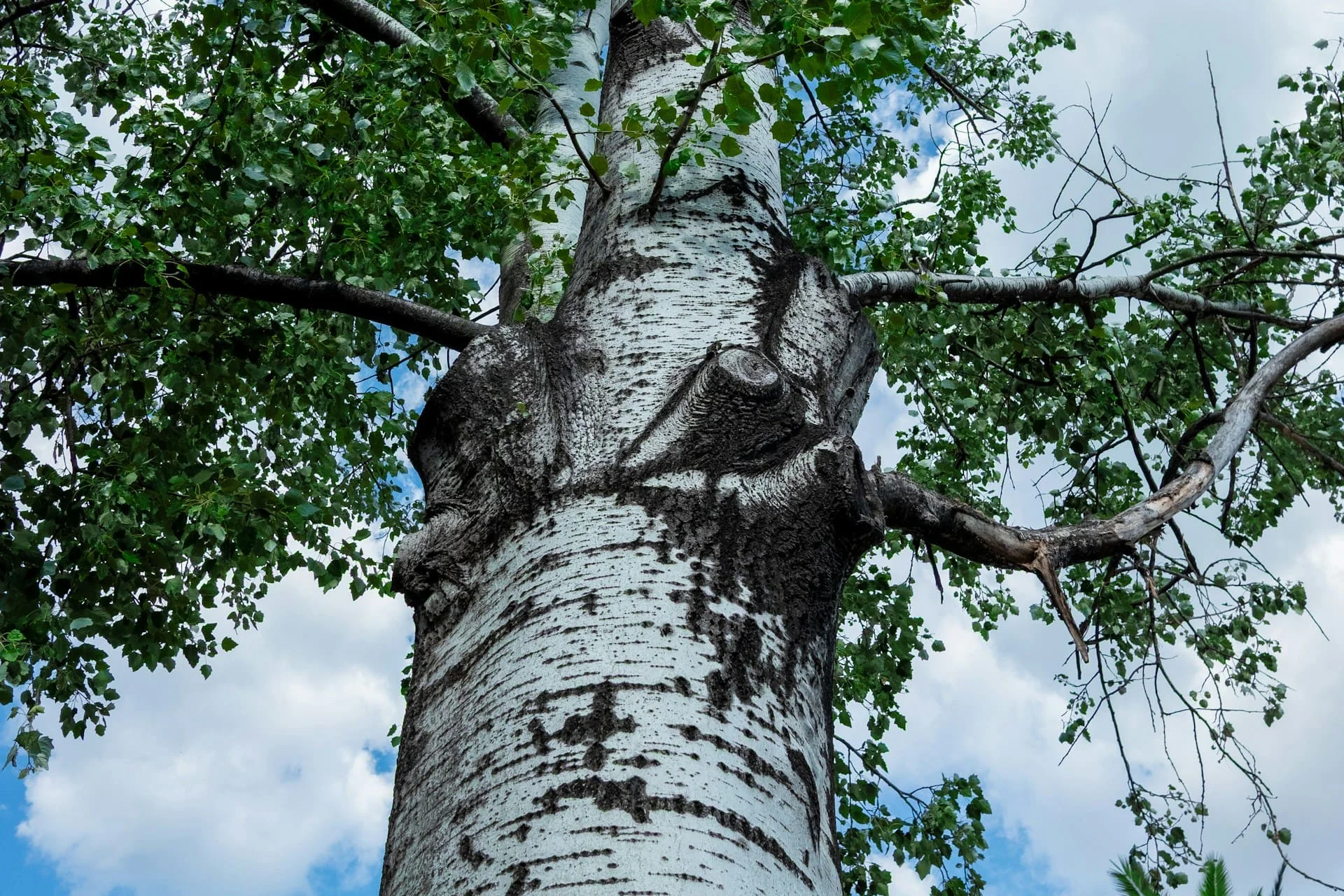
Birch tar is produced by heating birch bark. Archaeologists have found residues of the substance attached to stone tools at Neanderthal sites across Europe, where it is generally understood to have served as an adhesive. Its stickiness allowed stone blades and points to be secured to wooden handles, making tools more practical to use.
To investigate whether the material offered other benefits, the researchers recreated production techniques believed to have been available during the Pleistocene. These included heating birch bark in a sealed underground pit with little or no oxygen, as well as burning bark near a surface where tar vapours could condense and be collected.
Both approaches produced material with antibacterial activity. The finding suggests that the effect was not dependent on one particular manufacturing technique.
Lead researcher Tjaark Siemssen said the results raised the possibility that antimicrobial properties could have been useful to early Neanderthals. The team’s experiments, however, cannot establish whether they deliberately applied birch tar to wounds or understood how it affected bacteria.
The distinction matters. Demonstrating antibacterial activity in laboratory conditions does not prove that a substance was used medicinally in prehistory, nor does it establish that it would be safe or effective for treating human injuries.
Nevertheless, the research adds to scientific investigations into how prehistoric people understood and used natural materials. It also offers a reason to examine ancient and traditional substances more closely as researchers continue to investigate possible approaches to bacterial infections.
With antibiotic resistance complicating the treatment of some infections today, materials with antimicrobial properties remain of scientific interest. Birch tar is not an established wound treatment, but its effects provide a starting point for further investigation into the chemistry of substances used long before modern medicine existed.
Follow us on:



Subscribe to our YouTube channel for the latest videos & updates!

We value your thoughts! Share your feedback and help us make EyeOnLondon even better!