Liquid nitrogen may be reaching Pluto’s surface, new study suggests

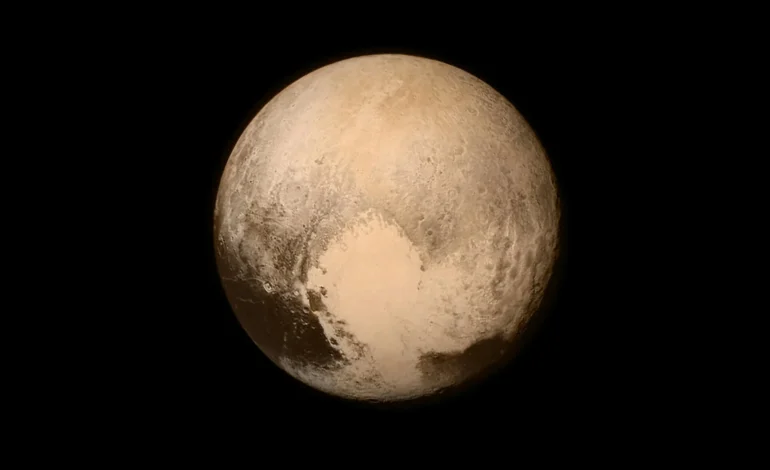
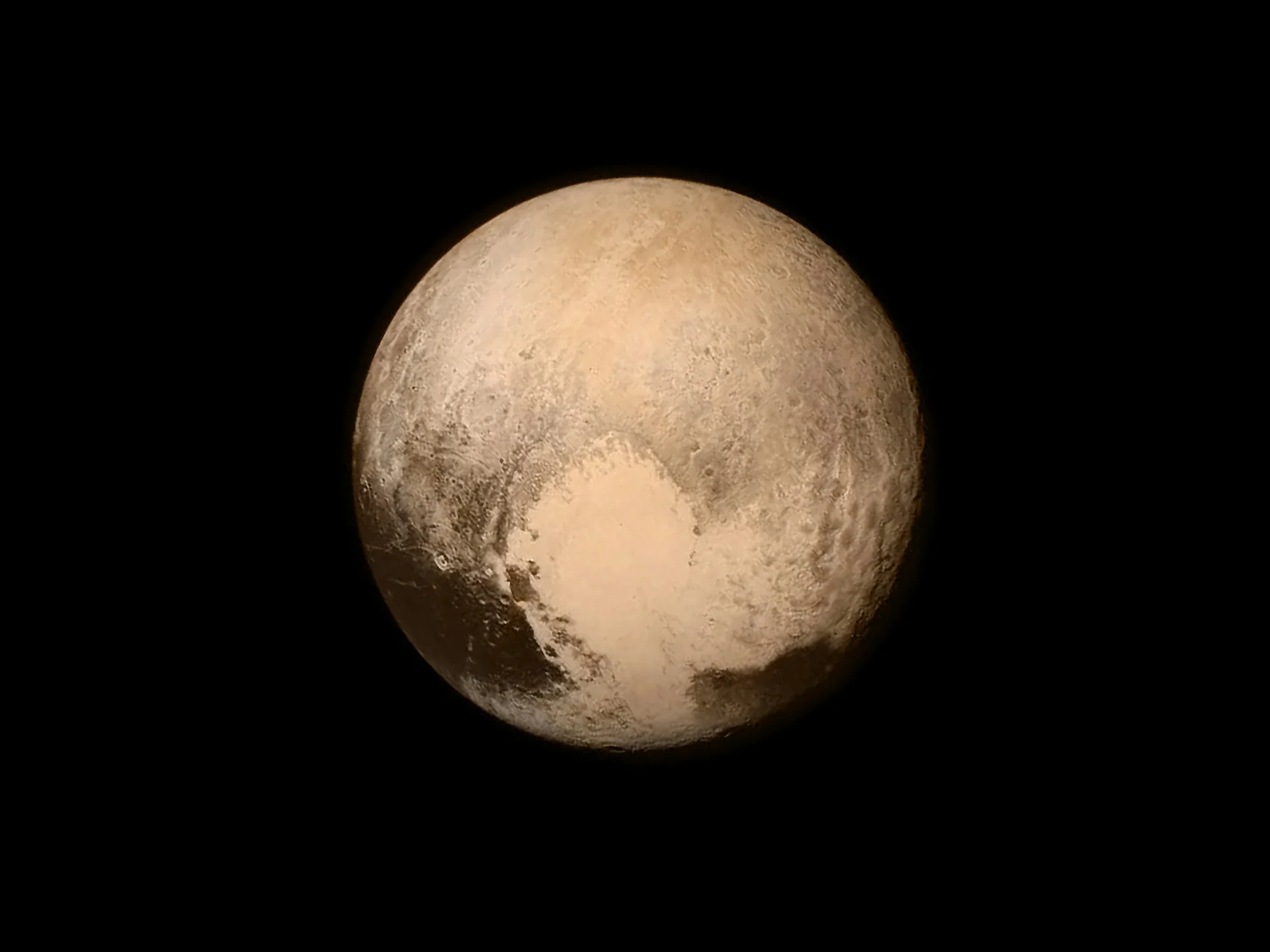
Pluto may have experienced liquid flowing across its surface in relatively recent geological time, according to a new study led by the Southwest Research Institute (SwRI). The research focuses on Sputnik Planitia, the vast heart-shaped glacier that forms one of Pluto’s most recognisable features. Using observations collected by NASA’s New Horizons spacecraft, scientists examined unusual dark markings across the glacier’s northern region and found patterns that may indicate liquid nitrogen has periodically reached the surface from below.
The findings were published in the peer-reviewed Planetary Science Journal. The study was led by Dr Alan Stern, SwRI Associate Vice President and principal investigator of the New Horizons mission, with contributions from researchers including SwRI Principal Scientist Dr Kelsi Singer and SETI Institute senior research scientist Dr Orkan Umurhan.
Sputnik Planitia is largely made of frozen nitrogen and covers an area larger than Texas and Oklahoma combined. New Horizons images from its 2015 Pluto flyby revealed city-sized convection cells separated by dark lines and broader dark patches.
The researchers compared these features with satellite images of icy environments on Earth, including Greenland. Some of the dark patterns resemble markings associated with liquid water moving across or beneath terrestrial ice. Because liquid nitrogen cannot fall as rain under Pluto’s present atmospheric conditions, the team proposes that nitrogen may instead be rising from beneath the glacier.
Computer modelling led by Umurhan suggests nitrogen ice several kilometres below Sputnik Planitia could melt under particular conditions. Liquid nitrogen could then move upwards through narrow channels, driven by buoyancy or pressure, before spreading downhill across the glacier and temporarily wetting its surface.
The study does not establish that liquid nitrogen has been directly observed. Instead, the surface patterns, comparisons with Earth and computer simulations provide evidence for a possible process that could produce them.
The research also raises questions about whether similar activity occurs elsewhere. More than half of Pluto has not been mapped at high resolution, while related processes could potentially offer clues about unusual surface activity on other icy worlds, including Neptune’s moon Triton.
For scientists, the findings provide another reminder that Pluto’s frozen surface may be considerably more dynamic than its distant location suggests.
For more, visit EyeOnLondon at eye-on-london.com
Follow us on:



Subscribe to our YouTube channel for the latest videos and updates!

We value your thoughts! Share your feedback and help us make EyeOnLondon even better!