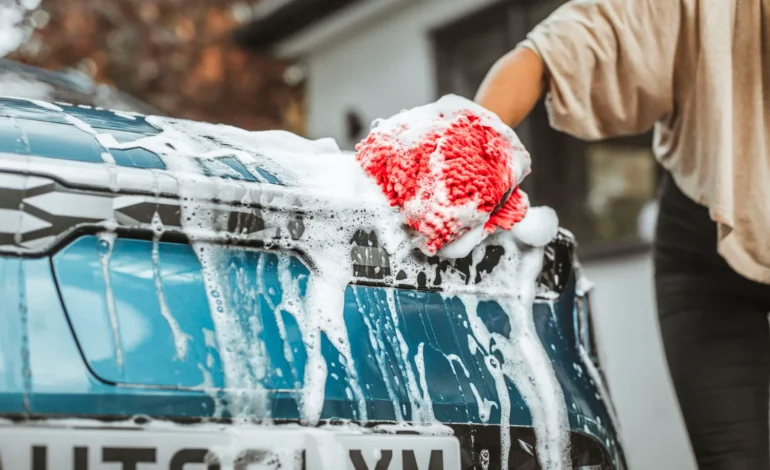
As hosepipe bans continue to spread across England following prolonged hot and dry weather, motorists are being encouraged to rethink how they wash their vehicles to conserve water and comply with temporary restrictions.
Water companies have introduced Temporary Use Bans across millions of households, with further restrictions expected if dry conditions persist. Anyone found breaching the rules could face fines of up to £1,000.
Car care firm Autoglymsays careful planning and water-saving techniques can help drivers maintain their vehicles without relying on a hosepipe.
One of the simplest recommendations is to wash vehicles early in the morning or in a shaded area while the paintwork remains cool. Cleaning products are less likely to dry too quickly, making dirt easier to remove while reducing the amount of water needed.
Before washing the bodywork, experts advise cleaning the wheels first, as brake dust and grime can otherwise splash back onto freshly cleaned panels. Where possible, stubborn contaminants such as bird droppings, insects, and tar should be treated with specialist cleaning products rather than excessive scrubbing.
A two-bucket washing method is also recommended. One bucket should contain soapy water, while the second is used to rinse the wash mitt before returning it to the cleaning solution. This helps prevent dirt from being spread across the paintwork and reduces the need to rewash sections of the vehicle.
Rather than cleaning the entire car at once, motorists are advised to work on smaller areas before rinsing each section with a watering can or pump sprayer instead of a hose. Rinsing from the bottom upwards also makes it easier to spot any remaining soap residue.
Drivers are also warned not to allow vehicles to dry naturally in direct sunlight. Doing so can leave water spots and streaks that may require further cleaning. Drying the vehicle promptly with a clean microfibre towel can help avoid additional work.
Between full washes, light dust and dirt can often be removed using detailing sprays or by cleaning only windows and light units to maintain visibility.
Applying a protective wax or sealant after cleaning can also help reduce dirt build-up, meaning future washes require less water and effort.
For more transport, weather and practical advice stories, visit EyeOnLondon.
Follow us on:



Subscribe to our YouTube channel for the latest videos and updates!

We value your thoughts! Share your feedback and help us make EyeOnLondon even better!