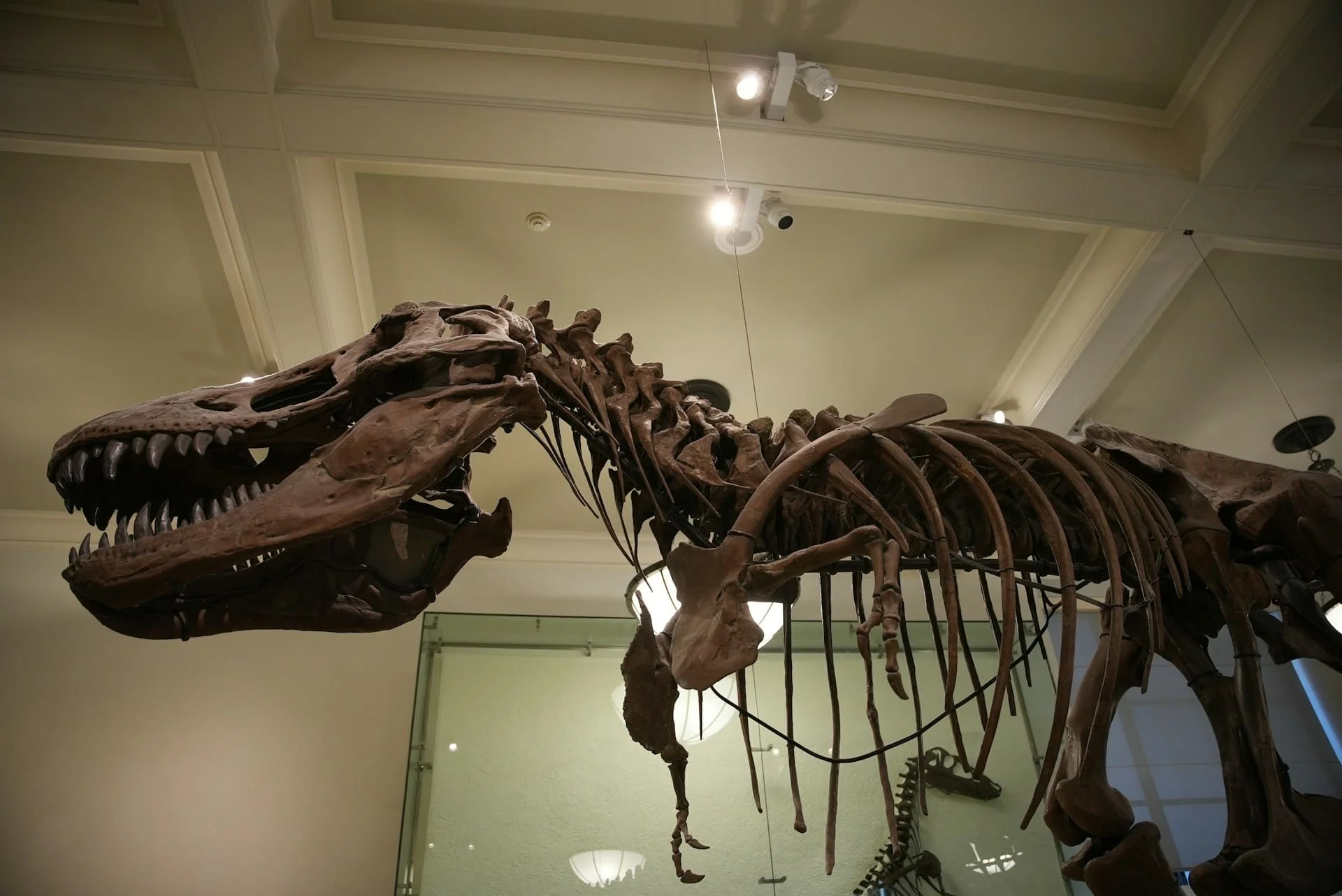
T Rex growth study suggests Tyrannosaurus rex took 40 years to reach full size

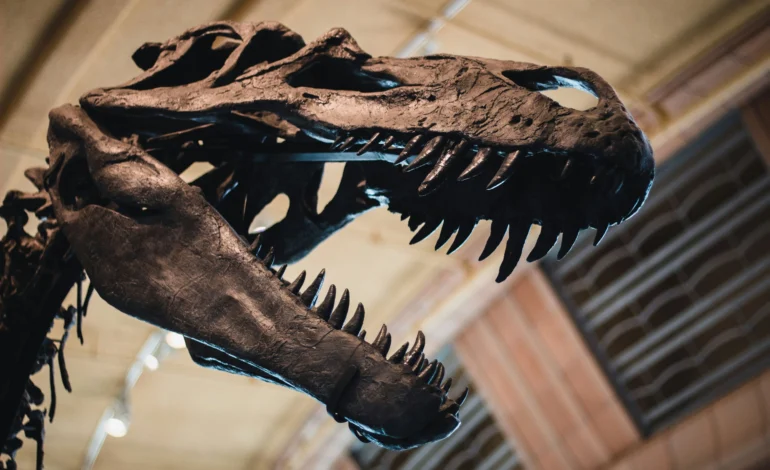
A new growth study has revised long-held assumptions about how Tyrannosaurus rex reached its enormous size, suggesting the prehistoric predator may have taken around 40 years to fully mature rather than the previously estimated 25. The research, published in the journal PeerJ, analysed 17 tyrannosaur fossils spanning juvenile to fully grown specimens. It offers one of the most detailed reconstructions yet of how T. rex developed across its lifetime, using a combined dataset that brings together growth information from multiple individuals.
At the heart of the work is a closer look at growth rings preserved in fossilised bone. These markings, similar in principle to tree rings, allow scientists to estimate age and track growth rates. In this study, researchers used advanced imaging techniques to reveal growth markers that had previously been overlooked in standard analysis.
The team then applied statistical modelling to stitch together growth records from different fossils, producing a continuous growth curve for Tyrannosaurus rex. The results indicate the species remained in an active growth phase for roughly 15 years longer than earlier research had suggested.
The study also revisits ongoing debate within palaeontology about whether all fossils classified as T. rex belong to a single species. Researchers grouped the specimens within what they describe as a Tyrannosaurus rex species complex, acknowledging the possibility that more than one closely related species could be represented in the fossil record.
Two well-known specimens, known as Jane and Petey, showed growth patterns that differed significantly from the rest of the dataset. While the study does not conclude they represent separate species, it notes that their unusual development warrants further investigation. Earlier independent research, including work by Zanno and Napoli, has also proposed that these specimens may belong to a separate genus, Nanotyrannus.
The research was led by scientists including Holly Woodward, alongside contributions from Nathan Myhrvold and Jack Horner. The authors note that combining multiple incomplete fossil records allowed them to reconstruct a far more complete picture of growth than previous approaches.
More than a century after T. rex was first described, the findings suggest its journey from juvenile to apex predator was slower and more complex than once believed.
Explore more discoveries from the world of prehistoric science as researchers continue to rewrite what we know about dinosaurs. Discover more science and nature reporting across EyeOnLondon’s research coverage.
Follow us on:



Subscribe to our YouTube channel for the latest videos and updates!

We value your thoughts! Share your feedback and help us make EyeOnLondon even better!